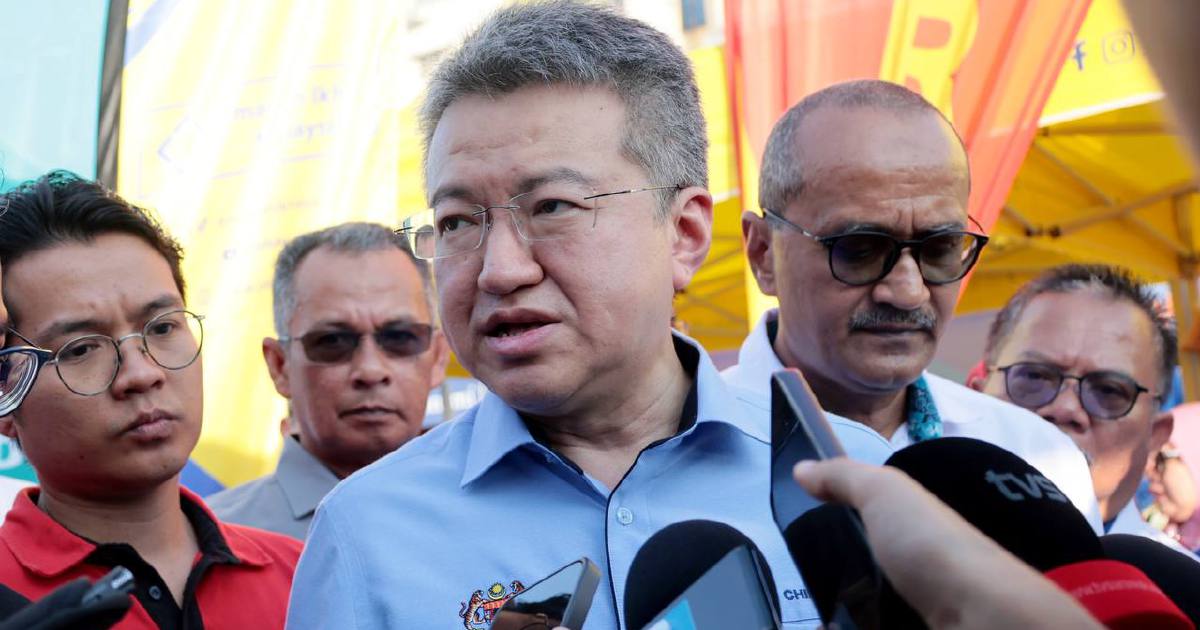
Malaysia is moving to strengthen its position within the global community through expanded diplomatic engagement, with recent visits by Prime Minister Datuk Seri Anwar Ibrahim to Russia and Turkmenistan marking a significant moment in the country's foreign policy trajectory. The government's renewed focus on building partnerships across Europe and Central Asia suggests a deliberate shift toward balancing Malaysia's traditional relationships with emerging markets and non-aligned nations, positioning the country as a pragmatic player in the multipolar world order.
The strategic importance of these visits extends beyond ceremonial diplomacy. Russia remains a significant player in global energy markets and geopolitical affairs, while Turkmenistan, sitting at the crossroads between Europe and Asia, offers access to untapped trade routes and energy resources. For Malaysia, engagement with both nations opens possibilities for cooperation in sectors ranging from energy security to technological innovation. The visits underscore Putrajaya's commitment to what observers describe as a "look beyond" strategy, where Malaysia seeks partnerships not confined to traditional Western allies or immediate regional neighbours.
Energy cooperation represents one of the most compelling dimensions of these emerging partnerships. Malaysia's growing energy needs and Turkmenistan's substantial natural gas reserves present clear mutual benefits. Similarly, Russia's expertise in petroleum technology and infrastructure development could complement Malaysia's ambitions in downstream energy processing and petrochemical expansion. These practical considerations move beyond rhetorical commitments, suggesting serious bilateral negotiations are underway or planned.
The timing of these diplomatic missions also reflects broader regional developments. As tensions persist between Western nations and Russia, Malaysia's willingness to maintain constructive dialogue signals its commitment to non-alignment principles that have defined the country's foreign policy for decades. This approach resonates particularly in Southeast Asia, where many nations prefer pragmatic engagement over ideological posturing. For Malaysia, demonstrating this balanced approach strengthens its credibility as a regional mediator and honest broker.
Trade and investment flows could intensify following these high-level visits. Malaysian companies operating in petrochemicals, palm oil, and financial services may find new markets and partnerships in Russia and Turkmenistan. Conversely, investments from these nations into Malaysia's strategic sectors, particularly renewable energy and infrastructure development, could inject capital and expertise into the domestic economy. The government's role in facilitating business-to-business connections following prime ministerial visits typically catalyses commercial activity.
Educational and cultural exchanges often follow successful diplomatic engagements, and Malaysia could benefit from expanded academic partnerships with Russian and Central Asian institutions. Malaysian students studying science, technology, and engineering in these regions brings back crucial expertise, while hosting students from partner nations fosters long-term relationship building and soft power influence. Universities in both Russia and Turkmenistan have developed competencies in fields where Malaysia seeks to build capacity.
Technological collaboration presents another avenue for deepening ties. Russia's expertise in aerospace, information technology, and industrial applications, combined with Turkmenistan's developing tech sector, could benefit Malaysian industries seeking to upgrade their technological capabilities. Joint research initiatives and technology transfer agreements are possibilities that emerge from sustained high-level engagement.
Southeast Asian nations are watching Malaysia's outreach with interest. Regional competitors and partners alike recognize that Malaysia's ability to cultivate relationships with distant powers influences the regional balance of influence. Thailand, Vietnam, and Indonesia have similarly been expanding their diplomatic networks, making regional competition for influence another factor driving Malaysia's broader partnership strategy. By securing partnerships in Europe and Central Asia, Malaysia enhances its relative position within ASEAN and globally.
Domestic benefits extend to Malaysia's credibility on the international stage. A government demonstrating its capacity to navigate complex geopolitical relationships and secure tangible benefits through diplomacy gains domestic political capital. Economic gains from expanded partnerships translate into job creation and investment opportunities that benefit Malaysian citizens across various sectors. This combination of diplomatic achievement and economic benefit reinforces public confidence in foreign policy direction.
The visits also reflect a recognition that Malaysia's future prosperity depends on diversified international relationships. Over-reliance on any single partner or region creates vulnerabilities. By actively cultivating partnerships across different regions and political systems, Malaysia reduces economic and strategic risk while maximizing opportunities. This hedging strategy has long roots in Malaysian diplomacy but appears revitalised under current leadership.
Looking ahead, success of these initial diplomatic engagements will be measured through concrete outcomes: signed trade agreements, investment commitments, joint ventures, and cultural exchange programmes. The months following prime ministerial visits typically see implementing teams working to translate diplomatic goodwill into institutional arrangements and business deals. Malaysia's diplomatic corps will be essential in following through on initiatives signalled during the Russia and Turkmenistan visits.
Ultimately, Malaysia's pursuit of wider global partnerships reflects both ambition and pragmatism. The nation recognises that its strategic location, stable institutions, and diverse expertise position it well for partnerships that benefit all parties. Through sustained engagement with Russia, Turkmenistan, and other nations beyond its traditional orbit, Malaysia is constructing a more resilient foreign policy architecture while creating opportunities for economic growth and development that serve national interests.

