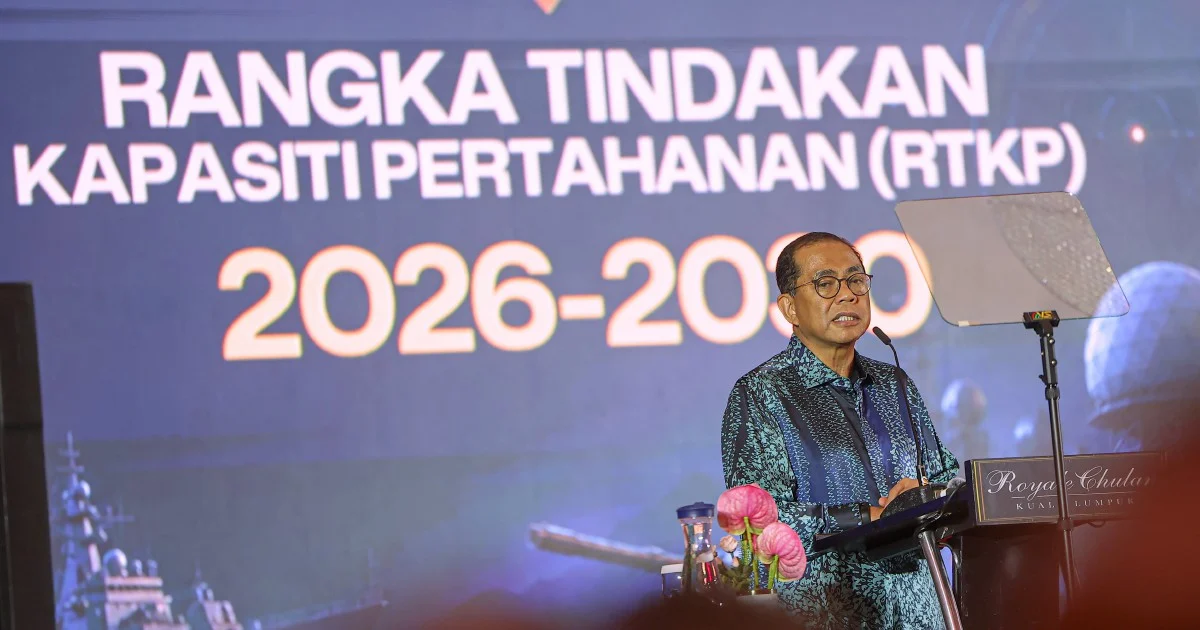
Malaysia's Defence Ministry has signalled its readiness to work towards resolving a significant diplomatic and military procurement issue stemming from Norway's withdrawal of a missile supply contract for the Littoral Combat Ship project. Datuk Seri Mohamed Khaled Nordin, who holds the defence portfolio, made the statement in a bid to clarify the government's position on a matter that has created complications for one of the country's most substantial naval modernisation initiatives.
The Norwegian decision to cancel the missile deal represents a complex setback for Malaysia's navy, which has been pursuing the LCS programme as a cornerstone of its maritime defence strategy. The Littoral Combat Ships are intended to strengthen the Royal Malaysian Navy's capacity to patrol and protect Malaysia's extensive territorial waters and exclusive economic zone. The cancellation of the associated missile procurement creates both technical and contractual challenges that require careful diplomatic handling between the two countries.
The background to this dispute involves multiple layers of international defence procurement complexity. Norway, a NATO member with advanced military-industrial capabilities, had been contracted to supply missiles for the LCS vessels as part of a broader defence partnership arrangement. The withdrawal by Oslo raises questions about the underlying contractual terms, potential disagreements over specifications, delivery timelines, or broader geopolitical considerations that may have influenced the decision.
For Malaysia, the implications extend beyond a simple loss of weapons systems. The LCS project itself has faced considerable scrutiny and budgetary pressures since its inception, with persistent questions about cost overruns, construction delays, and the technical specifications of the vessels being built by local shipyards. Adding a missile supply disruption complicates an already challenging programme that represents a substantial commitment of national defence resources.
The Defence Minister's willingness to engage on this matter suggests the government recognises the seriousness of the situation and the need for constructive dialogue to find alternative solutions. This could involve renegotiating terms with Norway, identifying alternative suppliers for the required missile systems, or restructuring the broader technical agreement to align with changed circumstances. Each pathway carries distinct implications for project timelines and budgetary considerations.
From a regional security perspective, the LCS project holds significance for Southeast Asian maritime stability. Malaysia's capacity to maintain effective surveillance and control over its waters contributes to broader regional maritime order and the management of shared concerns about maritime security, illegal fishing, and trafficking in the strategically vital waters of Southeast Asia. Any delays or degradation in the capabilities of these vessels therefore have ripple effects across the region's strategic calculations.
The Norwegian government's motivations for cancelling the arrangement warrant careful consideration. While specific reasons have not been publicly detailed in full, possibilities include contract compliance issues, evolving NATO priorities regarding military equipment exports, concerns about end-use applications, or diplomatic factors. Understanding these underlying causes will be essential for Malaysia to structure an effective response that addresses Norwegian concerns while securing the weapons systems required for operational capability.
Historically, Malaysia has maintained pragmatic defence relationships with multiple partners across different geopolitical alignments. The capacity to engage with Norway on resolving this dispute reflects that approach, though it also underscores the vulnerabilities inherent in depending on a single foreign supplier for critical military capabilities. This incident may prompt broader Malaysian defence planning discussions about supplier diversification and the development of domestic defence industry capacity.
The resolution process will likely involve technical negotiations between relevant defence agencies, legal discussions regarding contractual obligations and remedies, and potentially diplomatic engagement at higher levels. The timeframe for reaching resolution remains unclear, but expediting such matters is typically important given the operational urgency of the LCS programme and the need to maintain construction schedules and crew training timetables.
For Malaysian procurement officials and military planners, this situation underscores the importance of contract structures that provide flexibility in managing international defence partnerships. Building relationships with alternative suppliers and understanding the full range of available weapons systems that could integrate with the LCS platforms would strengthen Malaysia's negotiating position and provide fallback options if current discussions do not yield satisfactory outcomes.
The government's stated preparedness to resolve this matter positively signals that it does not regard the situation as insurmountable, despite its obvious complications. The coming weeks and months will be crucial in determining whether diplomatic engagement produces concrete progress toward restoring the missile supply arrangement or whether Malaysian defence planners must redirect their efforts toward entirely alternative solutions. Either way, the resolution will carry implications for how Malaysia structures future major defence procurement initiatives.

