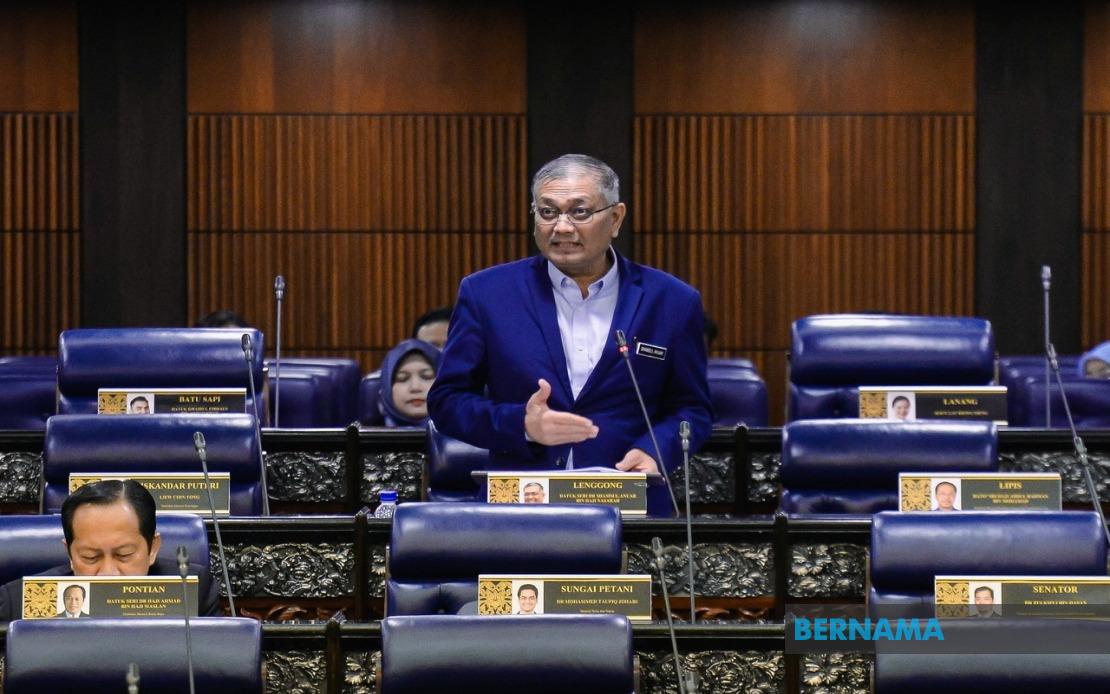
Malaysia's crackdown on illicit cryptocurrency mining has yielded substantial results, with authorities confiscating over 75,000 mining machines through more than 3,000 coordinated raids spanning from 2022 through May 2024. Deputy Home Minister Datuk Seri Dr Shamsul Anuar disclosed these figures in Parliament, underscoring the scale of enforcement action undertaken by the Royal Malaysia Police, Tenaga Nasional Berhad (TNB), municipal governments, and allied agencies. The operation has culminated in the arrest of 629 individuals implicated in illegal mining activities, demonstrating a sustained commitment to dismantling this underground economy.
The persistence of illegal cryptocurrency mining operations reflects a complex interplay of economic incentives and regulatory grey areas. Miners are drawn to the substantial profit margins available through cryptocurrency price fluctuations, particularly when they reduce operating expenditures through unauthorised electricity consumption. This driver—combined with the global demand for digital assets—has made Malaysia's relatively affordable electricity a magnet for criminal operators seeking to maximise returns while minimising legitimate costs. The allure of quick profits has proven sufficiently powerful to override legal consequences in many instances, embedding these operations within communities and industrial zones across the nation.
The Home Ministry has recalibrated its enforcement methodology to address the evolving sophistication of underground mining networks. Rather than relying solely on reactive responses to discovered operations, authorities now emphasise predictive intelligence and technological surveillance to identify potential hotspots before miners establish themselves. This proactive stance involves enhanced coordination between regulatory bodies, with TNB playing a crucial role in detecting irregular power consumption patterns that signal illegal mining activity. The transition toward intelligence-led operations reflects recognition that rapid identification and intervention are essential to minimising both criminal profit and collateral damage to legitimate power infrastructure.
Illegal cryptocurrency mining represents a multifaceted violation of Malaysian law extending beyond simple theft of electricity. Operators typically engage in unauthorised power connections, tampering with electricity meters to conceal consumption, and disrupting the stability of TNB's power distribution systems. These technical violations create cascading problems for legitimate consumers, potentially degrading service quality and reliability across affected areas. Additionally, operators frequently function without necessary business licences or regulatory approvals, placing them entirely outside the legal framework governing industrial activities. This regulatory evasion compounds the gravity of their operations from a governance perspective.
The Malaysian government maintains a nuanced position on cryptocurrency itself, distinguishing between permitted ownership and trading activities, illegal mining operations, and non-recognition as legal tender. This framework attempts to accommodate legitimate participation in global digital asset markets while containing the externalities of unregulated mining. Cryptocurrency ownership remains permissible under Malaysian law, allowing residents to participate in investment and commerce involving digital assets. However, this acceptance does not extend to mining activities conducted outside regulatory parameters, particularly when they involve utility theft and infrastructure damage. The government's stance reflects broader regional and global tensions surrounding cryptocurrency regulation.
Oversight of Malaysia's digital asset ecosystem remains fragmented across multiple authorities with distinct mandates. The Securities Commission Malaysia regulates digital assets under relevant legislative frameworks, establishing guardrails for legitimate market participation and investor protection. Bank Negara Malaysia maintains oversight focused on financial stability, payment systems integrity, and compliance with anti-money laundering regulations—a critical function given cryptocurrency's historical association with illicit financial flows. This distributed regulatory architecture attempts to address different dimensions of digital assets, though coordination challenges inevitably arise when enforcement operations require rapid inter-agency collaboration.
The economic impact on TNB merits particular attention, as electricity theft by mining operations represents a direct loss of revenue and increased costs borne by legitimate customers through subsidisation mechanisms. Illegal miners represent a significant but difficult-to-quantify leakage from Malaysia's electricity distribution network. Beyond immediate financial losses, these operations can destabilise power infrastructure designed for conventional demand patterns, necessitating costly system upgrades and maintenance. The burden ultimately falls on Malaysian households and businesses paying standardised tariffs, effectively subsidising criminal activity through higher utility costs.
Regional dimensions of Malaysia's crypto mining problem deserve consideration within broader Southeast Asian trends. The region has emerged as a significant global hub for cryptocurrency mining due to abundant hydroelectric capacity, favourable climate conditions, and historically lower electricity costs compared to developed markets. However, rapid industrialisation of mining has outpaced regulatory development, creating enforcement challenges similar to those confronting Malaysia. Neighbouring jurisdictions pursuing parallel suppression strategies underscores recognition that uncontrolled mining threatens electrical grid stability and diverts resources from productive economic sectors across the region.
Looking forward, Malaysia's enforcement trajectory suggests sustained commitment to combating illegal mining despite inherent operational challenges. The government's emphasis on intelligence gathering and technological capacity suggests willingness to invest in detection infrastructure capable of identifying increasingly sophisticated operations. However, enforcement alone cannot address fundamental economic drivers propelling individuals toward mining activity. Parallel policy considerations—whether involving tariff structures, regulatory frameworks facilitating legitimate mining under proper conditions, or targeted intervention in communities where mining has become economically entrenched—may ultimately prove necessary to durably reduce participation in illegal operations. The 75,000 machines seized represent substantial progress, yet the continued emergence of new operations indicates this enforcement battle remains ongoing.

