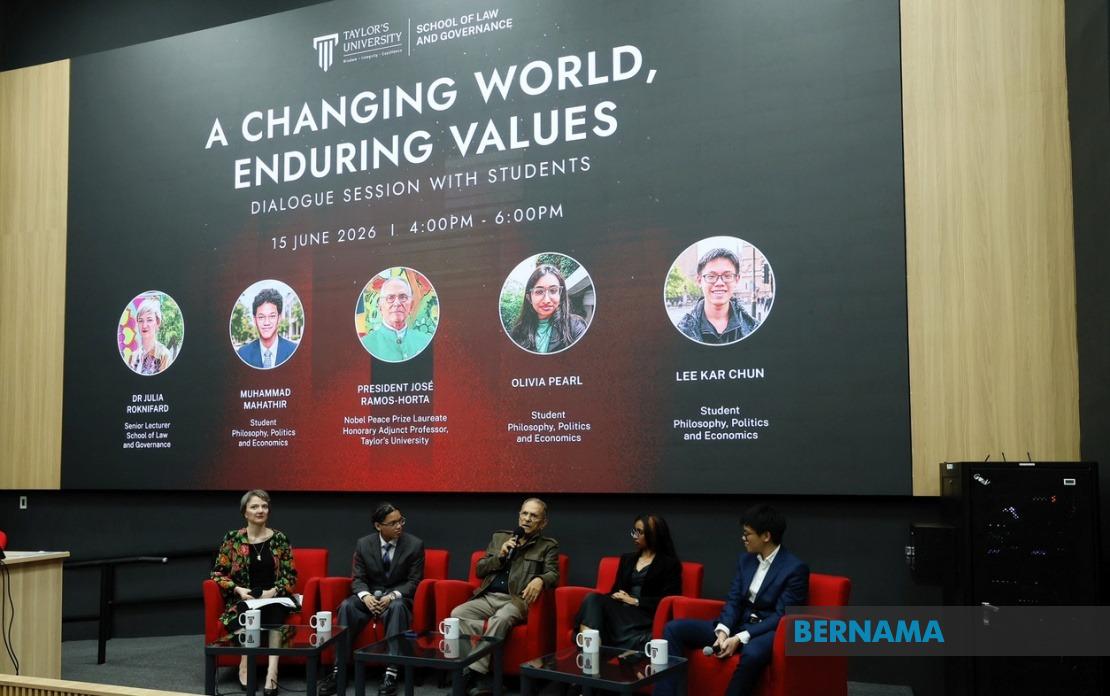
Timor-Leste President Jose Ramos-Horta has characterised bilateral relations with Malaysia as being in exceptionally robust condition, underscoring the Southeast Asian nation's standing in security, democratic governance, and personal freedoms. The Nobel laureate and former journalist made these remarks at Taylor's University in Petaling Jaya on Monday, during an interactive session with students as part of a five-day special visit to Malaysia that extends until Wednesday.
Ramos-Horta traced the foundation of Malaysia-Timor-Leste cooperation back decades, noting that Malaysian assistance predated Timor-Leste's independence declaration in 2002. He specifically highlighted the Malaysian peacekeeping contingent deployed in 1999 as a pivotal early demonstration of bilateral commitment during a turbulent period in East Timorese history. This historical context underscores how Malaysia positioned itself as a stabilising force in the region during a critical juncture, establishing patterns of cooperation that have endured and strengthened over subsequent years.
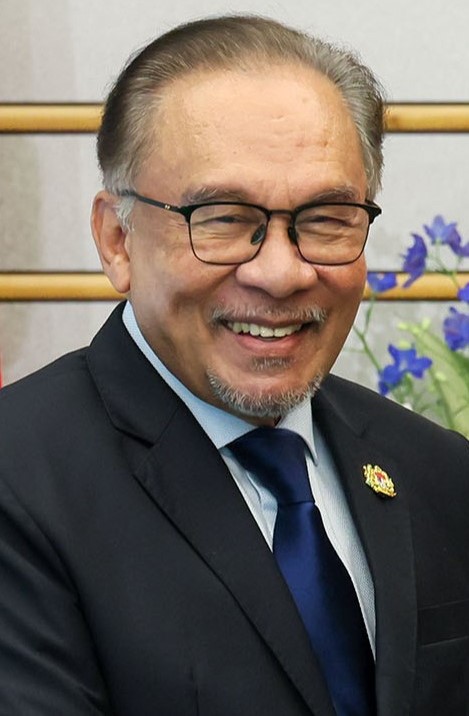
The Nobel Prize recipient attributed much of Malaysia's recent international prominence and economic advancement to Prime Minister Datuk Seri Anwar Ibrahim's strategic leadership. According to Ramos-Horta's assessment, Ibrahim's statesmanship has elevated Malaysia's economic trajectory and expanded its diplomatic influence on the world stage. While maintaining that Malaysian development has been consistent over four decades, Ramos-Horta identified the past few years as particularly noteworthy for accelerated growth and increasingly assertive regional positioning, reflecting what he views as more confident and forward-looking governance.
During a university dialogue session themed "A Changing World, Enduring Values", Ramos-Horta addressed Malaysia's forthcoming role in supporting Timor-Leste's ambitions, particularly regarding the latter's plan to assume ASEAN's rotating chairmanship in 2029. He expressed genuine optimism about Dili's capacity to deliver the necessary infrastructure and organisational frameworks to host the regional bloc. The president indicated that Timor-Leste is actively accelerating development projects to ensure readiness within the timeline, signalling governmental commitment to this significant milestone.
Ramos-Horta extended particular gratitude toward Malaysia's instrumental advocacy during its own ASEAN chairmanship the previous year, which facilitated Timor-Leste's successful transition to full membership status. This diplomatic backing proved decisive in bringing East Timor into the ten-member association, an expansion that occurred on October 26, 2025, and marked ASEAN's first enlargement in 26 years. Malaysia's role in brokering consensus among existing members and smoothing procedural pathways represented substantial political capital investment in regional inclusion and demonstrated the kind of constructive leadership that Ramos-Horta emphasises.
The significance of Timor-Leste's ASEAN accession extends beyond ceremonial membership. For a young nation still consolidating institutional capacity and economic development, participation in the bloc provides frameworks for regional integration, access to development initiatives, and diplomatic legitimacy. Malaysia's support during this process reflects broader strategic thinking about Southeast Asian stability and the benefits of inclusive regional architecture that encompasses all states within geographic scope.
Asked to deliver a message to Malaysian journalists in observance of National Journalists' Day (HAWANA) celebrations scheduled for Penang on Saturday, Ramos-Horta stressed the foundational importance of an informed citizenry to national cohesion. He posited that well-informed societies possess greater capacity to maintain internal unity, navigate collective challenges, and articulate shared values across diverse constituencies. This emphasis on press freedom and journalistic independence resonates particularly in contemporary Southeast Asia, where questions of media pluralism and information access remain contested in multiple national contexts.
Ramos-Horta's remarks reflect a broader diplomatic positioning that emphasises Malaysia's regional leadership credentials and its willingness to facilitate emerging states' integration into institutional structures. For Malaysia, such international recognition validates recent policy directions and reinforces the government's messaging regarding enhanced diplomatic activism. For Timor-Leste, meanwhile, the public endorsement from a respected international figure carries significance for domestic confidence-building and external credibility as it prepares for expanded regional responsibilities.
The timing of Ramos-Horta's visit and commentary also arrives amid broader Southeast Asian discussions about institutional deepening and the expansion of ASEAN's geographic scope. His confidence in Timor-Leste's 2029 hosting capabilities contributes to regional expectations about the association's continued growth trajectory. Whether the necessary infrastructure and coordination mechanisms materialise on schedule will partly determine ASEAN's demonstrated capacity for inclusive enlargement and its ability to manage increasing institutional complexity.
Beyond the ceremonial dimensions of high-level diplomatic visits, Ramos-Horta's assessment offers insight into how regional leaders perceive Malaysia's contemporary role. His characterisation of Malaysia as a stable, prosperous, and democratic society with expanding international influence suggests that such external validation matters for domestic political discourse. In Malaysia's case, such international endorsements contribute to narratives of successful governance and regional acceptance, messaging particularly relevant in domestic political contexts where questions about national direction periodically surface.
The dialogue at Taylor's University also highlights the educational dimension of diplomatic engagement, with visiting leaders addressing student audiences rather than restricting commentary to official circles. This approach broadens the exposure of younger generations to international perspectives while allowing visiting dignitaries to shape narratives about their nations and bilateral relationships among influential future constituencies. For Malaysian students, exposure to perspectives from neighbouring regional leaders contributes to contextual understanding of ASEAN's functioning and regional interdependencies.