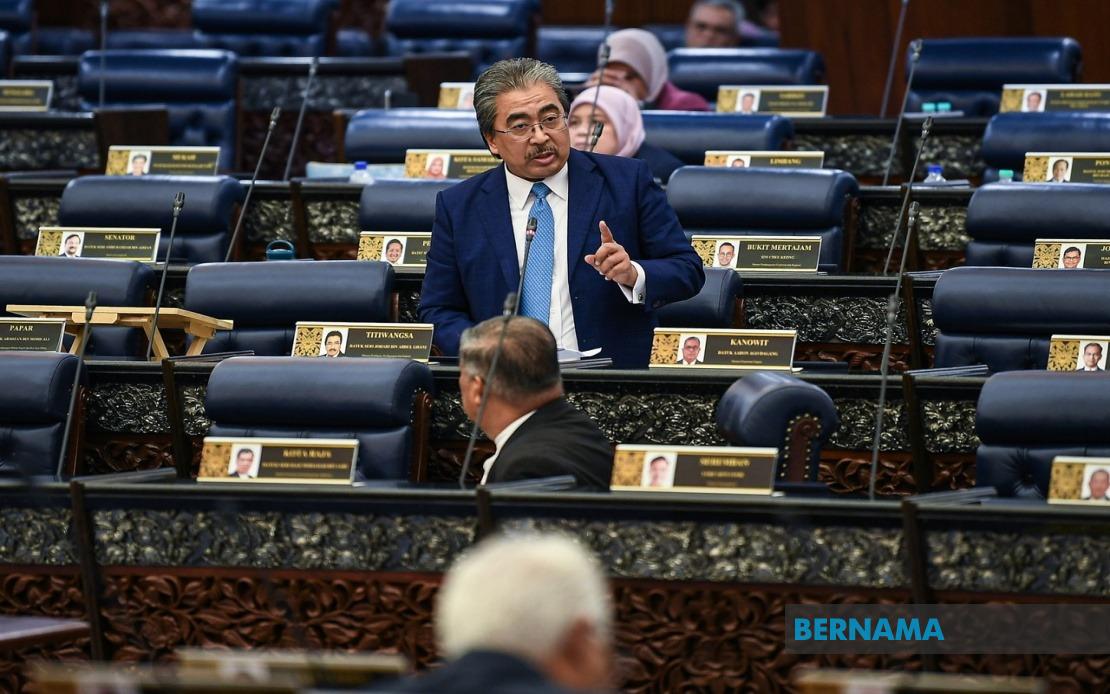
Malaysia is moving to establish a comprehensive system for blocking the entry of imported goods produced through forced labour, marking a significant shift in the country's trade compliance posture. Investment, Trade and Industry Minister Datuk Seri Johari Abdul Ghani disclosed the initiative during parliamentary proceedings, characterising the measure as essential for aligning with international standards and meeting the regulatory expectations of major trading partners. The announcement signals growing recognition within government circles that addressing labour exploitation in global supply chains has become non-negotiable for maintaining market access and competitive advantage in international commerce.
The government has formalised this commitment by establishing the Inter-Agency Task Force on Forced Labour, a coordinating body chaired by the Ministry of Investment, Trade and Industry and drawing participation from multiple government departments. The composition of this task force underscores the cross-cutting nature of the forced labour issue, requiring inputs from finance, foreign affairs, home security, human resources and transport sectors. The inclusion of enforcement and intelligence agencies—including the Attorney-General's Chambers, the Royal Malaysian Customs Department, the Malaysian Border Control and Protection Agency, and the Royal Malaysian Police—indicates that implementation will combine regulatory framework-building with operational enforcement capacity. Additionally, trade and investment development bodies such as the Malaysian Investment Development Authority and the Malaysian External Trade Development Corporation are involved, reflecting the economic dimensions of the initiative.
Currently, Malaysia lacks dedicated legislation or formal mechanisms to prevent the importation of forced-labour-produced goods, a significant gap given evolving international expectations. This absence has placed the country in a vulnerable position relative to major trading partners, particularly the United States, where labour rights enforcement has become increasingly embedded in trade negotiations and bilateral relations. The absence of such controls also exposes Malaysian importers and companies in Malaysia's supply chain to potential compliance failures if their sourcing practices inadvertently involve forced labour, creating reputational and commercial risks that extend beyond tariff considerations.
The timing of Malaysia's initiative is directly linked to escalating pressure from Washington's trade enforcement mechanisms. The US Section 301 investigation into forced labour practices has advanced considerably, with preliminary findings released in June 2026 identifying 60 countries with inadequate import protections. Malaysia's inclusion among 54 nations identified as lacking specific legal restrictions on forced-labour goods represents a formal finding that carries diplomatic and economic weight. The distinction between Malaysia's cohort—those without laws—and the six countries that possess legislation but fail to enforce it provides important context: Malaysia's situation reflects legislative gaps rather than enforcement deficiency, suggesting that the pathway to compliance is through enacting appropriate statutory frameworks.
The investigation's trajectory points toward concrete consequences for non-compliance. The US has signalled its intention to impose an indicative tariff of 10 per cent on Malaysia effective after July 24, specifically targeting goods allegedly produced with forced labour. This threatened tariff represents a substantial cost that would ripple through Malaysia's export-oriented manufacturing sectors, potentially affecting electronics, textiles, agricultural products and other labour-intensive industries. The 10 per cent figure, while described as indicative, establishes a starting point for negotiation and demonstrates American seriousness about leveraging trade enforcement to drive compliance with labour standards.
Concurrently, the US is pursuing a separate Section 301 investigation into market access issues, which remains in earlier stages of completion. This parallel investigation creates a two-track pressure mechanism: the forced labour investigation is nearing finalisation with tariff timelines already established, while the market access inquiry maintains uncertainty about potential additional trade restrictions. For Malaysian policymakers, the compressed timeline around forced labour compliance creates urgency to demonstrate progress before the July 24 implementation date. Success in this domain might mitigate the severity of tariffs or create negotiating space regarding the broader market access issues under investigation.
The establishment of Malaysia's task force represents an attempt to move from reactive compliance to proactive governance. By developing a domestic mechanism before external deadlines force implementation, Malaysian authorities aim to shape the framework according to local conditions and business realities. The involvement of customs, border control and police suggests that the mechanism will likely encompass both preventive measures—such as supplier audits and documentation requirements—and enforcement tools for intercepting non-compliant goods at ports of entry. The participation of the Malaysian Investment Development Authority and trade promotion bodies indicates that the government recognises the need to balance enforcement with support for Malaysian businesses, potentially including guidance on supply chain due diligence practices.
For Malaysian importers and manufacturers, the implications are substantial. Companies will face increased compliance obligations, requiring enhanced scrutiny of supplier labour practices, documentation of due diligence efforts, and potentially significant changes to sourcing strategies. Industries with complex, globalised supply chains—particularly electronics, textiles and agriculture—will bear disproportionate compliance burdens. Smaller enterprises may struggle with the costs of compliance verification, potentially creating competitive advantages for larger corporations with established compliance infrastructure. The government's task force will likely need to address these distributional concerns through targeted support programmes or phased implementation schedules.
From a regional perspective, Malaysia's move carries implications for Southeast Asian positioning in global trade. Other ASEAN members identified in the US investigation will observe how Malaysia navigates forced labour compliance, potentially following similar pathways or diverging based on domestic circumstances. The initiative also reflects broader shifts in how trade agreements now incorporate social and labour governance standards, moving beyond traditional tariff reduction frameworks. For Malaysian trade negotiators, establishing credible domestic controls on forced labour imports strengthens the country's bargaining position and demonstrates commitment to labour standards, potentially smoothing future bilateral and multilateral trade discussions.
The success of Malaysia's task force will ultimately depend on translating inter-agency coordination into coherent statutory frameworks, practical enforcement protocols, and business guidance systems. The window between announcement and July 24 implementation is narrow, requiring rapid legislative drafting if the mechanism is to be operational before tariff deadlines. Additionally, the government must carefully calibrate enforcement intensity to avoid excessive disruption to legitimate trade flows while demonstrating to American counterparts that forced labour concerns are being addressed seriously. The coming months will reveal whether Malaysia's institutional approach can navigate these competing pressures effectively.

