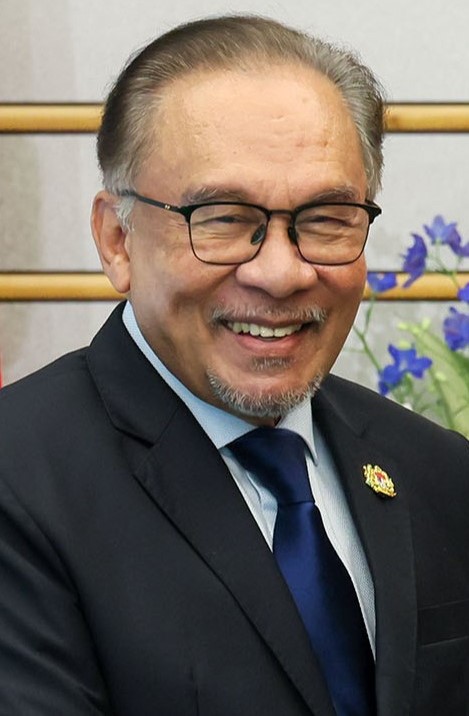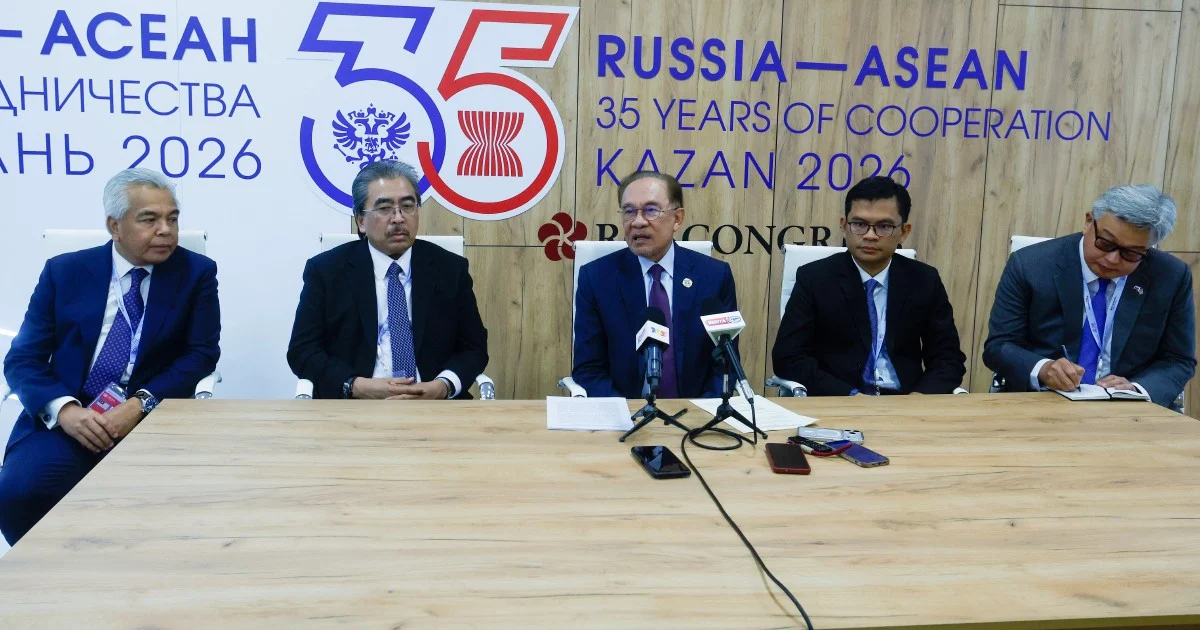
Prime Minister Datuk Seri Anwar Ibrahim has instructed relevant authorities to expedite the rollout of visa-free travel privileges for Russian visitors, framing the initiative as a critical component of Malaysia's broader effort to reinvigorate its tourism economy. The directive, issued during the Prime Minister's visit to Kazan, underscores Kuala Lumpur's strategic pivot towards reopening travel corridors with key source markets as the nation seeks to recapture lost tourism revenue and international visitor flows following the pandemic era.
The acceleration of visa-free arrangements for Russian nationals represents a calculated diplomatic and economic move by the Malaysian government. Russia has historically been a significant contributor to Malaysia's international visitor numbers, particularly to resort destinations on the east coast and island getaways. By removing visa friction, authorities expect to dramatically reduce barriers to entry and encourage spontaneous tourism decisions among Russian leisure and business travellers who have faced administrative delays under conventional visa application procedures.
The timing of this initiative coincides with Malaysia's intensified efforts to diversify its tourism recovery strategy beyond traditional East Asian markets. While Chinese and Singaporean tourists have traditionally dominated arrival statistics, the government recognises that rebuilding tourism receipts requires activation of alternative markets that remained underutilised during global travel restrictions. Russian travellers represent discretionary spending potential, given their established preference for extended holidays in tropical destinations and demonstrated purchasing power in Malaysia's high-end hospitality and retail sectors.
Implementing visa-free travel requires coordination across multiple government agencies, including the Immigration Department, Ministry of Tourism, and diplomatic services. The expedited timeline suggests the Prime Minister's office is applying pressure to streamline bureaucratic procedures that typically characterise policy rollout in Malaysia's federal system. Such acceleration would necessitate rapid harmonisation of security protocols, visitor tracking mechanisms, and data-sharing arrangements to ensure border integrity while facilitating seamless entry processes.
For Russian travellers, the removal of visa requirements fundamentally alters travel economics. Previously, the visa application process—involving documentation submission, processing fees, and waiting periods—created friction that discouraged last-minute bookings and spontaneous tourism decisions. Visa-free access converts Malaysia into a more competitive destination choice, particularly when competing with other Southeast Asian nations offering similar travel privileges. This directly influences market share among Russian outbound tourism patterns.
The initiative also carries geopolitical dimensions relevant to Malaysia's international positioning. By extending preferential travel arrangements to Russia, Malaysia reinforces its non-aligned foreign policy stance and strengthens bilateral relationships beyond traditional Western-aligned partnerships. This aligns with the government's broader strategy of maintaining equidistant diplomatic engagement across major powers, avoiding excessive dependence on any single geopolitical bloc while leveraging relationships for economic benefit.
From a tourism infrastructure perspective, accelerated Russian visitor arrivals will test Malaysia's hospitality capacity and service delivery standards. Hotels, restaurants, and tourism operators must prepare for potential surge in demand, particularly during Russian holiday periods and favourable weather windows. Tour operators and travel agencies will need to develop Russian-language services, marketing materials, and culturally-attuned experiences to effectively capture and retain this market segment.
The Ministry of Tourism's role becomes critical in coordinating promotional campaigns targeting Russian media and travel platforms. Tourism Malaysia, the national promotion board, will likely launch integrated marketing initiatives highlighting Malaysia's unique offerings—beach destinations, cultural experiences, business facilities, and shopping attractions—to Russian demographics. Such campaigns typically require significant lead time and budget allocation, necessitating rapid mobilisation of marketing resources.
International visitor recovery remains essential for Malaysia's economic growth, given tourism's substantial contribution to foreign exchange earnings and employment across hospitality, transportation, and related sectors. Visa-free access mechanisms have proven effective in other Southeast Asian nations; Thailand's similar initiatives with various nationalities contributed to record visitor arrivals in recent years. Malaysia's adoption of comparable strategies positions the nation competitively within the regional tourism marketplace.
However, successful implementation depends on sustained government commitment and adequate resource allocation to supporting infrastructure. Airports, immigration checkpoints, and tourist information services must be equipped to handle increased volumes efficiently. Service quality and visitor satisfaction during entry processing directly influences whether first-time tourists return and recommend Malaysia to peers in their home markets.
The announcement reflects Prime Minister Anwar's administration's pragmatic approach to economic recovery, prioritising tangible tourism gains over ideological considerations. By focusing on visitor facilitation, the government demonstrates responsiveness to industry feedback regarding barriers to market expansion and commitment to evidence-based policymaking that has successfully driven tourism growth in competing regional destinations.
Looking forward, this initiative may establish precedent for extending similar visa-free arrangements to other significant source markets. Decision-makers will likely monitor Russian visitor patterns, spending behaviour, and satisfaction metrics to assess policy effectiveness and inform future tourism facilitation strategies across additional nationalities.