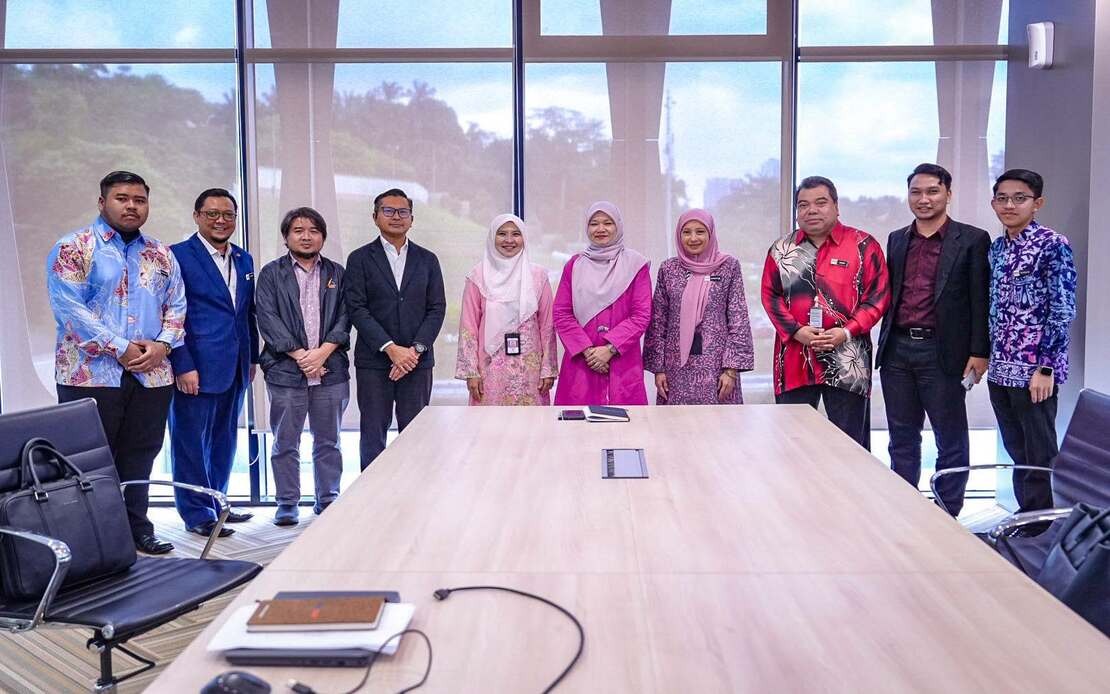
The Malaysian Education Ministry has committed to launching a nationwide advocacy initiative targeting child protection legislation, following discussions between Minister Fadhlina Sidek and officials from the Human Rights Commission of Malaysia (SUHAKAM). The multi-faceted campaign will focus on three critical areas: the Child Act 2001, the Anti-Bullying Act 2026, and the Sexual Offences Against Children Act 2017, with implementation planned across the education sector to strengthen institutional understanding and compliance.
The agreement emerged from a high-level meeting that brought together SUHAKAM's Children's Commissioner Dr Farah Nini Dusuki and Dr Mohd Al Adib Samuri with Education Ministry leadership. The discussions extended beyond legislative frameworks to encompass current challenges plaguing Malaysian schools, notably the persistent problems of bullying and sexual harassment that have gained increased public attention in recent years. This collaborative approach reflects growing recognition that combating these issues requires coordinated effort between government agencies and civil rights bodies.
Fadhlina emphasised that the partnership between her ministry and SUHAKAM must be substantially deepened to maximise the reach and impact of these awareness campaigns. She stressed the necessity of raising consciousness about children's rights and protective legislation at every educational level, from primary schools through to secondary institutions. The minister acknowledged that creating a genuinely safe learning environment demands more than legislative measures alone—it requires sustained educational outreach that helps students, teachers, and administrators understand their responsibilities and rights under existing law.
The initiative carries particular significance given Malaysia's existing legal framework. The Child Act 2001 represents the primary legislation governing child protection, welfare, and rights in the country, yet its provisions remain inadequately understood by many in the education system. The Anti-Bullying Act 2026, once enacted, will introduce new statutory obligations for schools, making advance advocacy essential to ensure smooth implementation. Similarly, the Sexual Offences Against Children Act 2017 criminalises various forms of child sexual exploitation, but awareness gaps persist regarding reporting mechanisms and support services available to young victims.
Bullying in Malaysian schools has become increasingly sophisticated, migrating from physical confrontation to cyberbullying through social media platforms. This evolution has outpaced many schools' capacity to respond effectively, leaving administrators uncertain about their legal powers and obligations. Sexual harassment, once dismissed or minimised, is now recognised as a widespread problem affecting student welfare and academic performance. By grounding advocacy in explicit legislation, the ministry aims to shift institutional culture and empower school personnel to intervene decisively when violations occur.
The planned advocacy programmes will need to address distinct audiences within the education ecosystem. Teachers require training not only in recognising violations but in their mandatory reporting obligations under law. School administrators must understand their institutional liability and the resources available to support affected children. Crucially, students themselves need age-appropriate education about their rights and the protections afforded to them, alongside information about trustworthy reporting channels. Parents and guardians also require engagement to ensure consistent messaging across home and school environments.
Implementing such a comprehensive initiative poses logistical challenges across Malaysia's geographically diverse education system. Rural and urban schools face different constraints, while the multilingual and multicultural nature of Malaysia's student population requires materials accessible to speakers of Bahasa Malaysia, English, Mandarin, Tamil, and indigenous languages. SUHAKAM's involvement suggests expertise in human rights communication that could enhance the ministry's capacity to reach diverse communities effectively.
The commitment to prioritise children's rights and welfare, as stated by Fadhlina, aligns with Malaysia's international obligations under the Convention on the Rights of the Child, which the country ratified in 1995. However, significant implementation gaps remain between legislative commitments and ground-level practice. By grounding this initiative in specific legislation, the ministry acknowledges that awareness deficits contribute materially to inadequate protection. Many potential violations go unreported because affected children, witnesses, and even educators are unaware of legal remedies and support services.
The timing of this initiative reflects evolving public consciousness about child safety. Increased media coverage of bullying cases and sexual abuse has prompted greater societal demand for protective action. Education sector stakeholders have also demanded clearer guidance on their responsibilities. This advocacy programme responds to those pressures while signalling government commitment to translating legislative intent into tangible school-level outcomes.
Successful implementation will require sustained resourcing beyond the announcement phase. Training materials must be developed and regularly updated as jurisprudence around these laws evolves. School personnel need ongoing support, not just one-off workshops. Monitoring mechanisms should track whether awareness campaigns translate into changed institutional practices and, ultimately, reduced rates of bullying and sexual offences. The collaboration between the Education Ministry and SUHAKAM provides a foundation for such comprehensive, long-term effort.
For Malaysian parents and students, this initiative promises stronger institutional mechanisms for reporting violations and accessing support. For educators, it offers clarity about legal obligations and available resources. For policymakers, it represents an evidence-based approach to translating legislative ambitions into school-level realities. The success of this campaign will significantly influence whether Malaysia's protective legal framework actually functions to safeguard vulnerable young citizens or remains largely theoretical.

