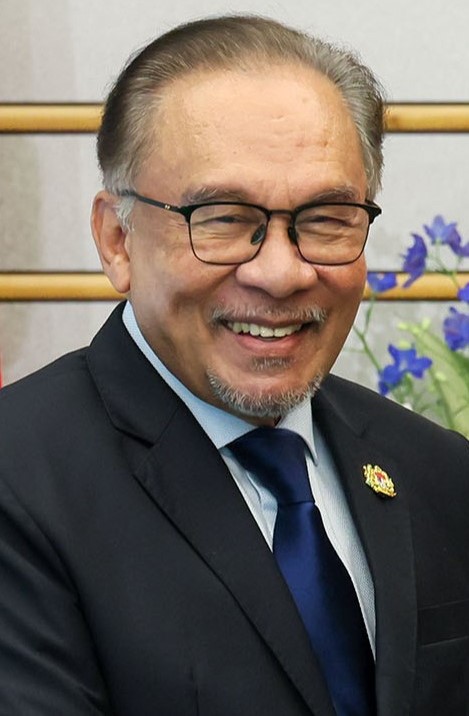
Malaysia's Prime Minister Anwar Ibrahim is embarking on a working visit to Russia this week with a singular strategic focus: locking in long-term energy supplies amid growing uncertainties in global oil markets and regional supply chains. The discussions with Russian President Vladimir Putin represent a deliberate diplomatic initiative to reinforce energy partnerships that have proven vital to Malaysia's economic stability and domestic fuel affordability.
During remarks made at a community gathering in Muar on June 15, Anwar underscored that maintaining secure access to crude oil and diesel constitutes a non-negotiable component of his administration's economic management framework. He framed the Russia visit—which will include broader ASEAN-Russia leadership engagements—as an opportunity to cement bilateral understanding on hydrocarbon flows destined for Malaysian markets. The underlying rationale reflects a sober assessment of vulnerabilities now visible across Southeast Asia, where several neighbouring economies have begun experiencing supply bottlenecks that threaten their energy security.
The Prime Minister's emphasis on proactive energy diplomacy carries particular weight given Malaysia's successful track record in maintaining among the world's most competitive retail fuel prices. The current pump price for RON95 petrol at RM1.99 per litre stands as testament to disciplined government management and, critically, to stable international supply relationships. Disruptions elsewhere in the region would quickly erode this advantage, making preventative engagement with major producers like Russia strategically imperative rather than merely opportunistic.
Underlying Anwar's visit is an acute awareness of geopolitical volatility in the Middle East, where escalating tensions between Israel, the United States, and Iran have created genuine risks for maritime commerce. The potential closure or restriction of the Strait of Hormuz—through which approximately one-third of globally traded petroleum passes—would instantly transmit price shocks throughout Southeast Asia and beyond. Malaysia, as an energy importer despite modest domestic production, remains acutely vulnerable to such disruptions, with knock-on effects rippling through transport, manufacturing, and consumer prices across the economy.
Anwar acknowledged receiving preliminary signals from Pakistani leadership suggesting that current West Asian tensions might stabilize within days, potentially heading toward negotiated settlement by week's end. This cautious optimism, however, came paired with sober recognition that without resolution, sustained Strait of Hormuz closure would inevitably push global crude prices upward, directly impairing Malaysian consumers and businesses. The Prime Minister noted that oil prices have already begun declining modestly, a trajectory that could reverse sharply should geopolitical circumstances deteriorate further.
The Russia engagement must be understood within the broader context of Malaysia's energy diplomacy strategy. Having developed significant crude oil and liquefied natural gas trade relationships with Moscow despite Western sanctions, Malaysia has positioned itself as a pragmatic actor willing to maintain economic partnerships based on mutual interest rather than ideological alignment. This approach—maintaining diverse supplier relationships—provides crucial buffering against supply shocks originating from any single geographic region or political bloc.
For Malaysian readers, the implications extend beyond headline fuel prices. Energy security directly affects electricity generation costs, which cascade through industrial production, food prices via agricultural mechanization, and transportation expenses. A sustained energy price spike would disproportionately burden lower-income households while potentially constraining export competitiveness for Malaysian manufacturing firms already facing regional competition. The Prime Minister's diplomatic efforts thus represent an investment in economic resilience that touches almost every Malaysian family.
The visit also signals Malaysia's determination to maintain independent foreign policy flexibility during an era of intensifying great-power competition. By simultaneously cultivating relationships with Russia while maintaining established partnerships with traditional Western suppliers and other producers, Malaysia preserves negotiating leverage and reduces dependency on any single source. This diversification strategy has become increasingly essential as geopolitical fragmentation accelerates globally, creating both risks and opportunities for smaller nations positioned as strategic nodes in global energy networks.
Anwar's framing of energy security as inextricable from sound economic stewardship reflects recognition that competitive fuel prices—enabled by stable supply relationships—represent a tangible government achievement measurable by ordinary Malaysians at petrol pumps nationwide. The success of this energy diplomacy will ultimately be judged not through communiqués or bilateral statements, but through the sustained affordability and reliability of energy access that underpins Malaysia's economic competitiveness and citizens' living standards in coming months and years.