Malaysia is mobilising its vocational education system to cushion the impact of the global supply chain disruptions on its workforce, with the Ministry of Human Resources announcing a comprehensive reskilling initiative targeting displaced workers across key economic sectors. The move reflects growing recognition that supply chain volatility—a consequence of geopolitical tensions, pandemic aftereffects, and shifting manufacturing patterns—poses significant employment risks to mid-skilled workers in developing economies like Malaysia, which depend heavily on integrated regional production networks.
Datak Seri R. Ramanan, the Human Resources Minister, outlined plans during a launch event in Johor Bahru to channel workers affected by supply chain instability into Technical and Vocational Education and Training (TVET) programmes that would equip them with marketable skills for alternative employment. The initiative reflects a broader policy shift toward treating workforce transitions as a proactive challenge rather than a reactive crisis, acknowledging that sectors such as manufacturing, services, and construction face unpredictable demand fluctuations tied to international logistics and sourcing decisions beyond Malaysia's control.
The employment support mechanism will leverage PERKESO's MYFutureJobs platform, a digital labour market intermediary designed to connect job seekers with suitable vacancies. Rather than simply listing openings, the platform conducts systematic job matching to ensure displaced workers are placed in positions aligned with their retraining, experience level, and geographic location. This targeted approach differs from conventional job boards and underscores Malaysia's intent to reduce labour market friction and prevent skills mismatches that could leave workers in precarious or unsuitable positions.
The announcement comes at a time when Malaysia's manufacturing sector faces structural pressures. Regional supply chain reconfiguration, particularly as companies diversify away from China and explore Southeast Asian alternatives, creates both opportunities and risks. While some reshoring and nearshoring activity benefits Malaysian plants, other manufacturers have consolidated operations or shifted investment elsewhere, creating localised job losses. The TVET initiative represents a policy hedge against these uncertainties, ensuring that displaced workers can transition into growing sectors rather than facing prolonged unemployment.
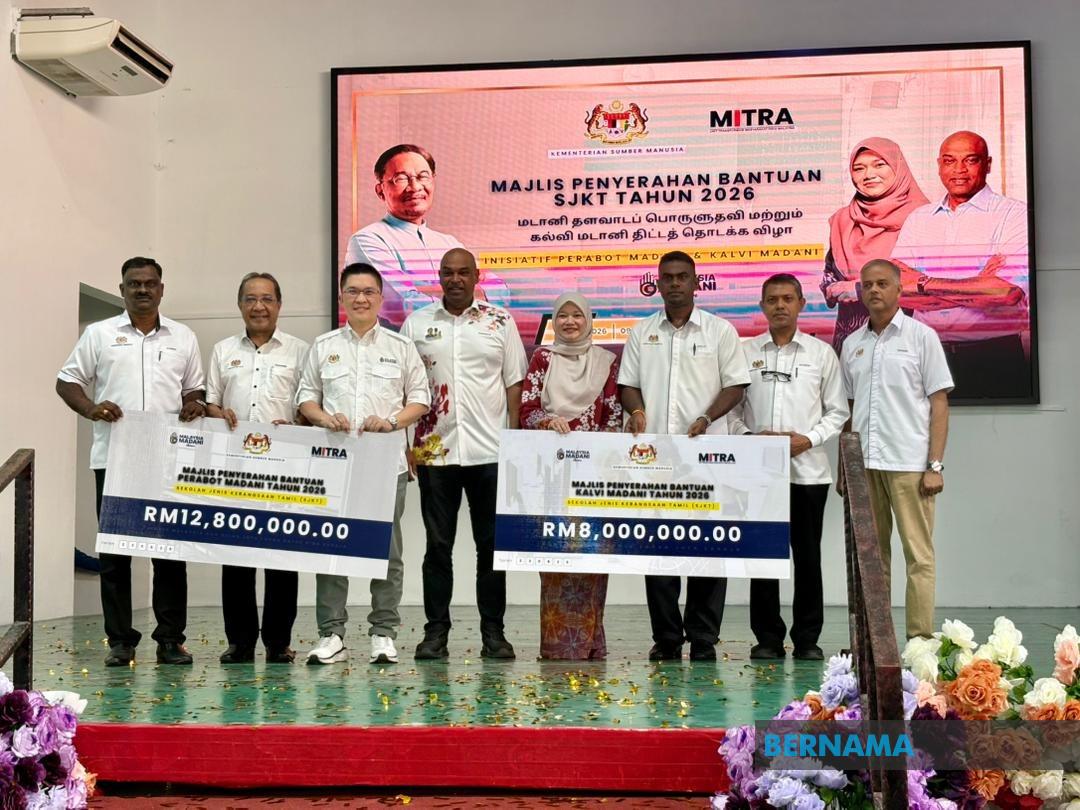
Beyond the supply chain crisis response, the ministry simultaneously launched two initiatives focused on Tamil vernacular schools, signalling a commitment to inclusive education and minority community development. The MADANI Furniture Initiative will distribute 14 categories of high-quality furnishings—including desks, seating, storage, and cooling equipment—to 361 government-aided Tamil schools serving nearly 40,000 pupils and over 5,200 educators. Phased rollout from June through August aims to improve learning environments in schools that historically receive fewer infrastructure investments than mainstream institutions.
The allocation of RM12.8 million for furniture and equipment reflects recognition that physical classroom conditions directly influence educational outcomes and student retention. Tamil vernacular schools, which cater primarily to Malaysian Indian communities, have historically faced infrastructure disparities compared to national-type schools. Improving facilities addresses both equity concerns and practical pedagogical needs, as inadequate desks, chairs, and ventilation undermine learning effectiveness, particularly in Malaysia's tropical climate.
Complementing the infrastructure initiative, the RM8 million KALVI MADANI Programme targets nearly 10,410 Indian pupils across 315 selected Tamil schools with comprehensive educational support spanning free remedial instruction, food assistance, learning materials, digital devices, and teacher professional development funding. The programme design recognises that academic performance correlates with multiple socioeconomic factors beyond classroom instruction alone. By bundling nutritional support with academic tutoring, the initiative addresses barriers that low-income students face—hunger, inadequate study materials, and technology access gaps.
The education initiatives reveal significant policy coordination between Malaysia's Human Resources and Education ministries, with Deputy Education Minister Wong Kah Woh and Education Minister Fadhlina Sidek co-present at the launch. This ministerial alignment suggests recognition that workforce development and foundational education constitute interconnected policy domains. Tamil vernacular school improvements feed future TVET enrolment pipelines, while TVET programmes address immediate adult unemployment, creating complementary policy effects across different life stages.
For Malaysian Indian communities specifically, these announcements signal sustained government commitment to minority education equity following years of advocacy regarding infrastructure disparities and resource allocation imbalances. Tamil schools have historically operated with older facilities and fewer modern teaching resources compared to schools serving other language communities. The simultaneous deployment of furniture, nutritional programmes, learning devices, and teacher support indicates a consolidated effort to narrow educational access gaps and improve learning outcomes in underserved communities.
The broader regional context matters too. Malaysia's approach—combining vocational reskilling, digital labour market intermediation, and targeted community education investment—offers a model relevant for other Southeast Asian economies wrestling with similar supply chain vulnerabilities. Countries like Thailand, Vietnam, and Indonesia face comparable manufacturing dependency and workforce transition challenges. Malaysia's integrated policy response, treating crisis-driven displacement, skills upgrading, and educational equity as mutually reinforcing priorities, reflects sophisticated understanding of how labour market resilience depends on both crisis response and foundational human capital development.
Implementation success will depend on several factors: the quality and relevance of TVET curricula to employer demands, PERKESO's capacity to achieve effective job matches at scale, and sustained funding for teacher development and school infrastructure maintenance. The phased approach to furniture distribution through August suggests awareness of logistical constraints and implementation realities. Whether these programmes achieve their stated objectives will provide insights into Malaysia's capacity for integrated workforce policymaking amid volatile global conditions.

