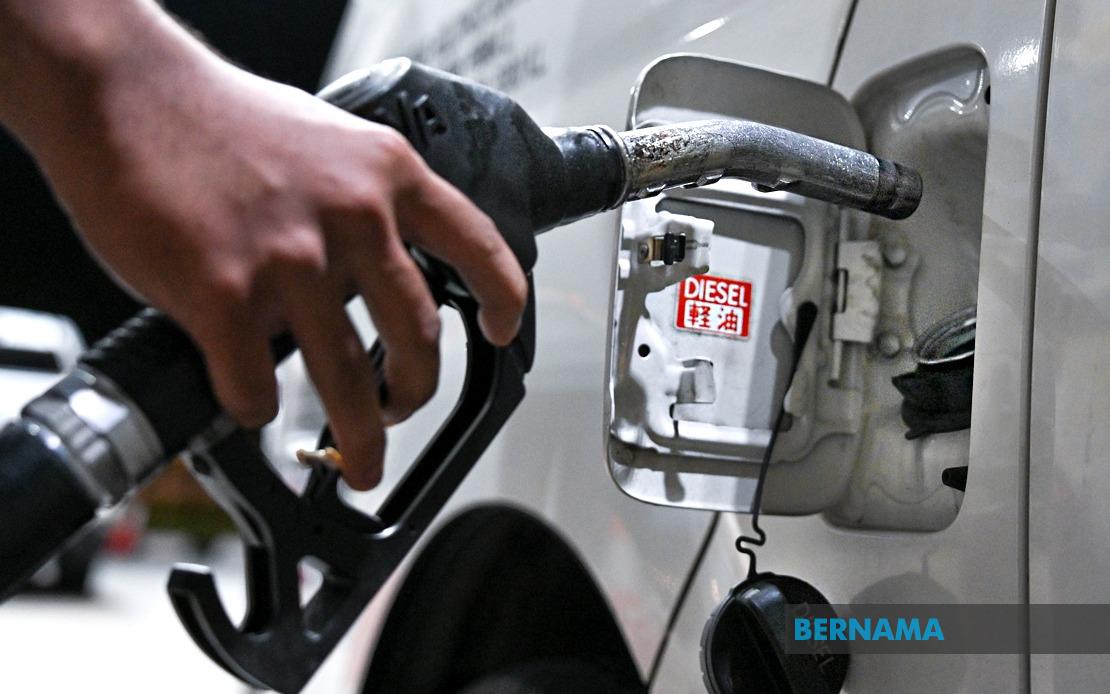
Malaysia's government is preparing to roll out an overhaul of its diesel subsidy system designed to plug leakages that have ballooned the fiscal burden while threatening fuel security across the nation. Beginning July 1, the BUDI MADANI Diesel programme will cap subsidised diesel at RM2.10 per litre for eligible private vehicle owners, with early access starting June 27 for eligible motorists in Peninsular Malaysia. According to Second Finance Minister Datuk Seri Amir Hamzah Azizan, the initiative is projected to recover up to RM2 billion in annual savings by stemming the complex web of illegal fuel diversion and subsidy abuse that has spiralled out of control in recent years.
The fiscal pressure from fuel subsidies has grown severe, with the government's monthly subsidy burden for petrol and diesel surging from roughly RM800 million to nearly RM4.9 billion by April as global oil prices climbed. This explosive increase in government expenditure underscores the urgent need for reform, particularly when combined with the unsustainable trajectory of diesel demand across the country. The timing of the announcement reflects mounting concern within the Ministry of Finance that without intervention, the subsidy burden could consume an ever-expanding share of public funds that might otherwise support healthcare, education, or infrastructure development.
Central to the problem is a dramatic anomaly in diesel consumption patterns that reveals the scale of systemic leakages. Monthly diesel offtake has ballooned from approximately 624 million litres to nearly 1.2 billion litres, indicating that parties ineligible for subsidised fuel have been gaming the system by purchasing discounted diesel intended only for deserving Malaysians. This abuse occurs through multiple channels including cross-border smuggling and fraudulent claims at petrol station outlets. The situation is particularly acute in East Malaysia, where Sabah and Sarawak are now consuming roughly two billion litres annually against an estimated genuine requirement of around one billion litres—suggesting annual leakages equivalent to an entire year's worth of legitimate demand.
The government's response centres on technology and verification. The BUDI MADANI Diesel programme mirrors the existing BUDI RON95 petrol subsidy by employing MyKad verification at all petrol stations nationwide, creating a unified and transparent mechanism for disbursing subsidies only to truly qualified recipients. Under this system, approximately 700,000 private diesel vehicle owners will be eligible for the RM2.10 per litre rate, contingent on successful MyKad authentication at the pump. This technological gatekeeping aims to eliminate the ability of ineligible purchasers—including hoarders, smugglers, and commercial enterprises that should be paying unsubsidised rates—to access government-supported fuel.
For individuals already receiving BUDI Diesel Individual cash assistance, the transition will be automatic and seamless. The current RM400 monthly cash handout will be discontinued and replaced with direct subsidies embedded in the petrol station transaction itself, eliminating a separate cash distribution mechanism that may have created opportunities for further misappropriation. Eligible beneficiaries will be migrated to the new system without requiring fresh applications, reducing administrative friction and ensuring continuity of support. This merger of separate programmes into a single coherent subsidy delivery system represents an attempt to simplify government operations while maintaining the social safety net for those genuinely dependent on affordable diesel.
The policy reflects a broader philosophical shift within Malaysia's fiscal management toward what officials describe as targeted rather than universal subsidies. Finance Minister officials have consistently emphasised that subsidies should flow exclusively to those genuinely eligible, protecting both the integrity of public finances and the stability of domestic fuel supplies. Universal subsidies, by contrast, benefit higher-income groups who consume more fuel and create artificial incentives for smuggling and hoarding. By restricting subsidised diesel to verified vehicle owners, the government aims to reduce cross-border leakage to neighbouring countries while maintaining affordable energy access for ordinary Malaysian motorists who depend on diesel-powered vehicles for their livelihoods.
The anticipated RM2 billion in annual savings represents a material recovery of public resources currently flowing into the pockets of smugglers and subsidy abusers rather than reaching genuine beneficiaries. Domestic Trade and Cost of Living Minister Datuk Armizan Mohd Ali and Treasury Secretary-General Tan Sri Johan Mahmood Merican have been deeply involved in designing the mechanism, indicating coordination across multiple government agencies responsible for fuel pricing, trade oversight, and fiscal management. The coordinated announcement from Putrajaya suggests the government regards diesel subsidy reform as a priority alongside its stated commitment to maintaining cost-of-living stability.
From a Malaysian economic perspective, the BUDI MADANI Diesel programme carries implications beyond simple accounting. Rising fuel costs disproportionately burden lower-income workers, transporters, and agricultural communities that depend on diesel for commercial operations. By protecting the RM2.10 per litre price point for eligible users, the government shields these groups from the full impact of volatile global oil markets while signalling to smugglers that their profitable schemes are no longer viable. Neighbouring countries including Singapore and Thailand will likely monitor the implementation closely, as reduced smuggling flows improve Malaysia's domestic fuel security and prevent the government from subsidising foreign economies through leaked fuel supplies.
The rollout timeline presents both opportunities and challenges. The phased approach—with early access beginning June 27 for Peninsular Malaysia before nationwide implementation on July 1—allows authorities to test the MyKad verification infrastructure and identify technical glitches before full deployment. However, this window also gives potential abusers advance notice to stockpile fuel or shift contraband operations ahead of the system activation. Security and enforcement will be critical; the Domestic Trade and Consumer Affairs Ministry will need to coordinate with Customs and law enforcement agencies to prevent circumvention schemes. The government's track record with previous subsidy reforms suggests that implementation fidelity varies significantly depending on the efficiency of frontline officers and the sophistication of smugglers attempting to bypass the system.
Sustainability of the BUDI MADANI Diesel programme ultimately depends on whether the MyKad verification mechanism remains resistant to spoofing or fraudulent authorisation. Earlier subsidy systems have occasionally encountered instances where verification protocols were manipulated or circumvented through collusion between users and station operators. Authorities will need robust audit mechanisms, surprise compliance checks, and potentially blockchain-based transaction logging to ensure that the promised RM2 billion in savings actually materialises rather than simply transferring leakages to new channels. The success of BUDI RON95 petrol subsidies provides some confidence that the MyKad approach can work, though the substantially larger diesel consumption base and East Malaysia's geographic remoteness present additional complexity.
Looking ahead, the BUDI MADANI Diesel programme represents a test case for whether Malaysia can modernise its subsidy delivery infrastructure in ways that simultaneously reduce fiscal burden and protect vulnerable consumers from market volatility. If successful, the model might be extended to other energy subsidies or broader social safety net programmes. If implementation falters, it could undermine government credibility on fiscal reform and create political pressure to return to universal subsidies despite their demonstrable inefficiency. The coming months will reveal whether technology and administrative determination can finally overcome the historical challenge of ensuring that subsidies reach their intended beneficiaries rather than enriching those positioned to exploit the system.

