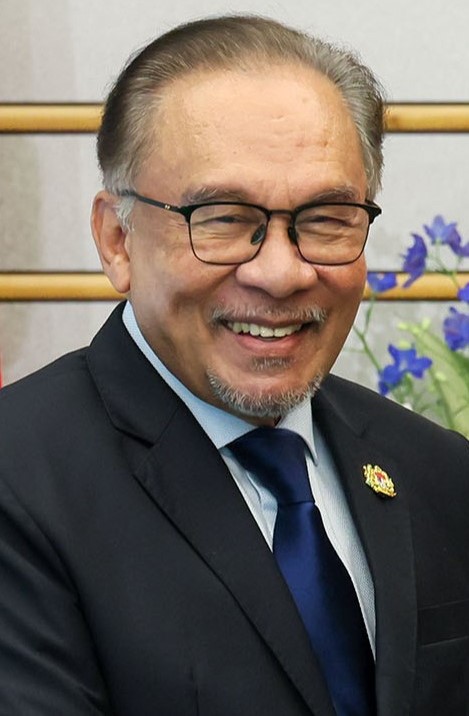
Prime Minister Datuk Seri Anwar Ibrahim is embarking on a two-day official visit to Ashgabat from June 18 to 19, marking a significant diplomatic engagement aimed at elevating Malaysia's partnership with Turkmenistan across multiple economic and strategic sectors. The visit represents a carefully calibrated outreach effort to a resource-rich Central Asian nation that has long occupied a peripheral position in Malaysia's foreign policy calculations, but whose importance is growing in the context of regional energy diversification and connectivity initiatives.
The primary focus of the bilateral discussions is expected to centre on energy cooperation, particularly in the oil and gas sector where Turkmenistan maintains substantial reserves and production capabilities. As Malaysia seeks to secure reliable and diversified sources of energy supply while managing transition pressures, engagement with energy-exporting nations becomes increasingly strategically important. Turkmenistan's established reputation as a stable energy supplier, coupled with its geographic position linking Asia to Europe, presents opportunities for Malaysia to explore both direct energy procurement arrangements and participation in regional energy infrastructure projects that could benefit Southeast Asian markets.
Beyond hydrocarbons, the visit signals Malaysian interest in exploring collaboration within the transportation and logistics corridors that increasingly connect Central Asia with Southeast Asia and beyond. As China's Belt and Road Initiative reshapes continental trade patterns, Malaysia seeks to position itself strategically within emerging supply chain networks. Turkmenistan's geographic location along critical east-west transport routes makes it a valuable partner in developing integrated logistics networks that could enhance Malaysian business access to Central Asian markets while facilitating intra-Asian trade flows. Enhanced connectivity infrastructure between regions could generate commercial opportunities for Malaysian companies operating in transport, warehousing and supply chain management.
Agricultural cooperation represents another dimension of the proposed partnership framework. Malaysia's agricultural sector faces persistent challenges related to land scarcity, water availability and labour constraints, particularly in food production. Turkmenistan possesses considerable agricultural land and water resources, especially within its irrigated zones, creating potential for collaborative ventures in food production, processing and trade. Malaysian investors and agricultural enterprises may find opportunities to develop production capabilities in Turkmenistan, with products subsequently exported to Malaysian and regional markets, thereby contributing to Malaysia's food security objectives while generating economic returns.
From Turkmenistan's perspective, the visit reflects its interest in deepening ties with Southeast Asian economies. The Central Asian nation has pursued a multi-vector foreign policy approach, seeking to balance relationships with traditional partners such as Russia and China whilst developing connections with emerging economic powers in Asia. Malaysia, as ASEAN's second-largest economy with established institutional networks across Southeast Asia, represents an attractive gateway for Turkmenistan to build regional influence and commercial relationships. Enhanced Malaysian-Turkmenistan ties could create pathways for Turkmen investments and commercial interests within ASEAN frameworks.
The diplomatic engagement also carries implications for Malaysia's broader positioning within Asian geopolitics. By actively cultivating partnerships with Central Asian nations, Malaysia demonstrates commitment to pan-Asian connectivity and economic integration beyond traditional Southeast Asian confines. This approach aligns with Malaysia's stated strategic vision of engaging constructively across the broader Asian region, from the Indian Ocean to the Eurasian landmass. Such diplomatic efforts also reflect Malaysia's pragmatic approach to foreign relations, focused on identifying mutual economic benefits rather than ideological considerations.
Turkey's proximity and connections to both Turkmenistan and Malaysia deserve consideration in understanding the strategic context of this visit. Regional powers maintain substantial interests in Central Asian developments, and Malaysian diplomatic initiatives in the region are observed closely by various stakeholders. Malaysia's engagement with Turkmenistan occurs within a broader context of intensifying competition for influence and resources in Central Asia, where multiple powers pursue strategic advantage.
From a Malaysian domestic perspective, advancing partnerships with energy-rich nations carries particular importance given ongoing discussions regarding energy security, renewable transition timelines, and industrial competitiveness. Diversifying energy partnerships whilst maintaining access to conventional energy sources remains a core consideration for policymakers seeking to balance economic growth imperatives with longer-term sustainability objectives. Energy security directly impacts Malaysia's industrial sectors, particularly manufacturing and petrochemicals, which depend on stable and affordable energy availability.
The institutional mechanisms for implementing agreed cooperation will likely receive attention during the visit. Establishment of joint committees, working groups, or regular ministerial consultations can provide frameworks for translating diplomatic intentions into tangible commercial and technical outcomes. Previous Malaysian experience with bilateral partnership frameworks demonstrates the importance of formal structures in sustaining engagement momentum beyond initial diplomatic summits. Clarity regarding implementation timelines, investment commitments, and regulatory frameworks typically determines whether diplomatic visits translate into substantive economic cooperation.
Longer-term considerations regarding climate change and energy transition may also surface during discussions. Both nations face pressures to address environmental concerns whilst maintaining economic development trajectories. Turkmenistan's substantial natural gas reserves, often positioned as transitional energy sources supporting renewable adoption, align with certain development pathways Malaysia is exploring. Discussions may extend to technological cooperation in natural gas processing, liquefaction technologies, or efficiency improvements that benefit both parties.
The visit ultimately reflects evolving Malaysian foreign policy that recognises opportunities for cooperation extending beyond traditional geographic or institutional boundaries. By engaging seriously with Central Asian partners, Malaysia signals openness to international economic relationships based on pragmatic assessment of mutual benefits. Success of this diplomatic initiative will be measured not merely by statements issued during the visit, but by subsequent implementation of agreed measures and the degree to which bilateral cooperation generates measurable economic returns for enterprises and citizens of both nations.