Malaysia's push to expand its medical specialist workforce has entered a critical phase as the Health Ministry works through final bureaucratic barriers that have long complicated the pathway to specialist qualification. Health Minister Datuk Seri Dr Dzulkefly Ahmad acknowledged the systemic constraints during remarks at a ministerial event in Putrajaya on June 19, confirming that the ministry has identified and is systematically addressing multiple bottlenecks within its training and development frameworks. The statement signals growing awareness within government circles that resolving these administrative hurdles has become essential to meeting the nation's escalating healthcare demands.
The backdrop to these reform efforts is stark. Malaysia currently faces a deficit of approximately 11,000 medical specialists nationwide, a shortfall that spans both the public healthcare system and private medical institutions. This gap threatens to undermine service quality and capacity across the country's medical ecosystem, from teaching hospitals in major urban centres to secondary healthcare facilities in smaller towns and rural regions. The scale of the shortage underscores how systemic the problem has become, extending beyond simple workforce planning to encompass training infrastructure, career pathway clarity, and regulatory frameworks that govern specialist development.
Dr Dzulkefly stressed that the ministry's approach to expanding the specialist workforce cannot proceed in isolation from broader healthcare infrastructure development. Rather, the growth in specialist numbers must be calibrated to align with the simultaneous strengthening of hospital facilities, diagnostic equipment, and operational capacity. This integrated perspective reflects a mature understanding that producing more specialists without corresponding improvements to physical infrastructure would create misaligned supply and demand, potentially frustrating newly qualified professionals and straining existing systems further. The ministry has therefore adopted a phased implementation strategy that ties workforce expansion directly to facility enhancement.
Central to the interim response while comprehensive reforms take shape is the cluster crisis management system that the ministry has begun deploying across the country. This framework enables hospitals within defined geographical or administrative clusters to collaborate more fluidly, sharing specialist expertise and redistributing personnel according to fluctuating operational pressures. The system also extends coordination to primary care clinics within those clusters, creating networks capable of channelling patient flow more intelligently and deploying scarce specialist time where clinical need is greatest. This represents a pragmatic acknowledgement that even with current specialist numbers, better organisational design and inter-facility cooperation can yield meaningful improvements in service delivery.
The redeployment and reorganisation of healthcare personnel under the cluster system addresses a reality that pure numerical expansion cannot solve. Many regions experience uneven distribution of specialists, with metropolitan areas often enjoying concentration of expertise while secondary cities and rural settings remain underserved. By enabling flexible movement of specialists between institutions within clusters and improving referral pathways between hospitals and clinics, the system can stretch existing capacity more effectively. This approach buys time while longer-term training expansion and bureaucratic reform take root.
Dr Dzulkefly's acknowledgement that bureaucratic constraints exist, even as he emphasised their impending resolution, suggests that internal ministry processes may be slowing the training pipeline. Whether these obstacles relate to accreditation standards, examination procedures, curriculum approval timelines, or postgraduate placement mechanisms remains unspecified. However, the confirmation that these issues are being directly addressed indicates they have been formally mapped and that remedial action plans are underway. For medical professionals considering specialist pathways, such clarity about ministry attention may ease frustration born of perceived gridlock.
The larger context for these reforms involves growing pressures on Malaysia's healthcare system from an ageing population, the rising burden of chronic diseases, and public expectations for improved access and quality. Specialist-led care remains central to managing complex conditions, conducting advanced procedures, and mentoring junior doctors. Without adequate numbers of specialists, healthcare institutions struggle to maintain service standards while training the next generation of medical professionals. The current shortage thus represents not merely a staffing issue but a fundamental constraint on the system's educational mission and clinical capacity.
For Malaysian patients and healthcare workers, the interim cluster management approach offers a concrete mechanism through which current staffing challenges can be partially mitigated while permanent solutions develop. The commitment to maintaining uninterrupted healthcare services, despite workforce pressures, reflects ministerial awareness that public confidence in the healthcare system depends on consistent availability of care. The cluster system's emphasis on collaboration and flexible deployment attempts to prevent any single facility from experiencing the acute staff shortages that trigger service disruption or exhaustion of existing specialists.
The pace of reform matters considerably given Malaysia's competitive position in the broader Southeast Asian healthcare landscape. Neighbouring countries are simultaneously investing in specialist training and healthcare infrastructure, and Malaysia risks losing medical talent to jurisdictions perceived as offering clearer career pathways and better working conditions. The ministry's signal that bureaucratic constraints are being removed may help retain ambitious doctors who might otherwise seek specialist training or practice opportunities abroad. International evidence shows that streamlined specialist training pathways are significant factors in physician retention.
Dr Dzulkefly's framing of specialist expansion as a progressive, continuous process tied to infrastructure development represents a shift from ad hoc crisis response toward systematic planning. This longer-term orientation suggests the ministry has developed capacity projections extending beyond immediate staffing crunches, attempting to anticipate future healthcare demand based on demographic and epidemiological trends. Such forward planning is essential in a field where training specialists requires five to ten years from undergraduate entry to full qualification, making responsive adjustment difficult after demand emerges.
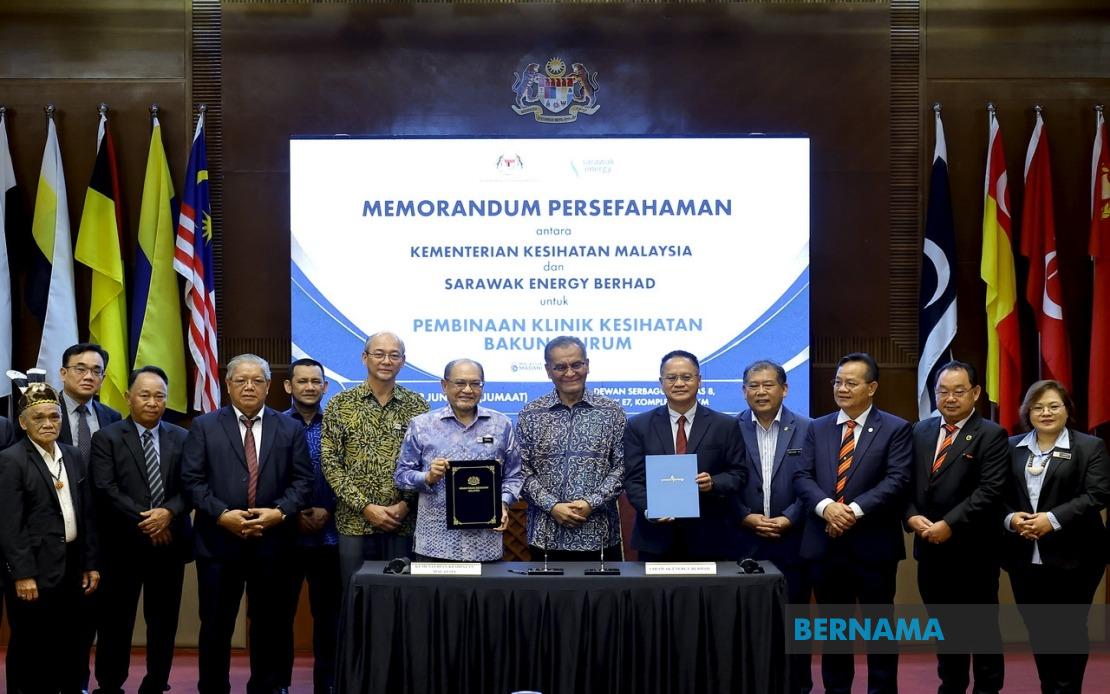
The signing of a memorandum of understanding between the Health Ministry and Sarawak Energy for construction of the Bakun-Murum Health Clinic, coinciding with these reform announcements, illustrates the infrastructure dimension of the ministry's strategy. Rural and remote healthcare facilities require specialist expertise for complex conditions, yet attracting specialists to these areas demands adequate facilities and logistical support. Public-private partnerships such as this health clinic project create infrastructure anchors that can support specialist recruitment and retention in underserved regions.
For healthcare planners and administrators across Malaysia, the ministry's final-stage resolution of specialist training bottlenecks represents both opportunity and urgency. The next months will determine whether identified bureaucratic constraints are genuinely removed or whether implementation delays push resolution further into the future. The success of cluster crisis management as a transitional approach depends partly on specialist cooperation and willingness to work flexibly across institutional boundaries, presenting a test of professional solidarity during a period of acknowledged system stress. Ultimately, the nation's healthcare trajectory over the coming decade will reflect choices made now regarding specialist training frameworks, infrastructure investment, and workforce development strategy.

