Malaysia's Ministry of Entrepreneur and Cooperatives Development (KUSKOP) is taking direct action to fortify the digital trading landscape for local entrepreneurs, recognising that many domestic small and medium enterprises face an uneven playing field against international competitors with significantly lower operational costs. The ministry has now formulated a comprehensive MSME Strategic Plan 2030 designed to reshape how local business owners operate in the increasingly digital marketplace, addressing systemic vulnerabilities that have long hindered their ability to compete globally.
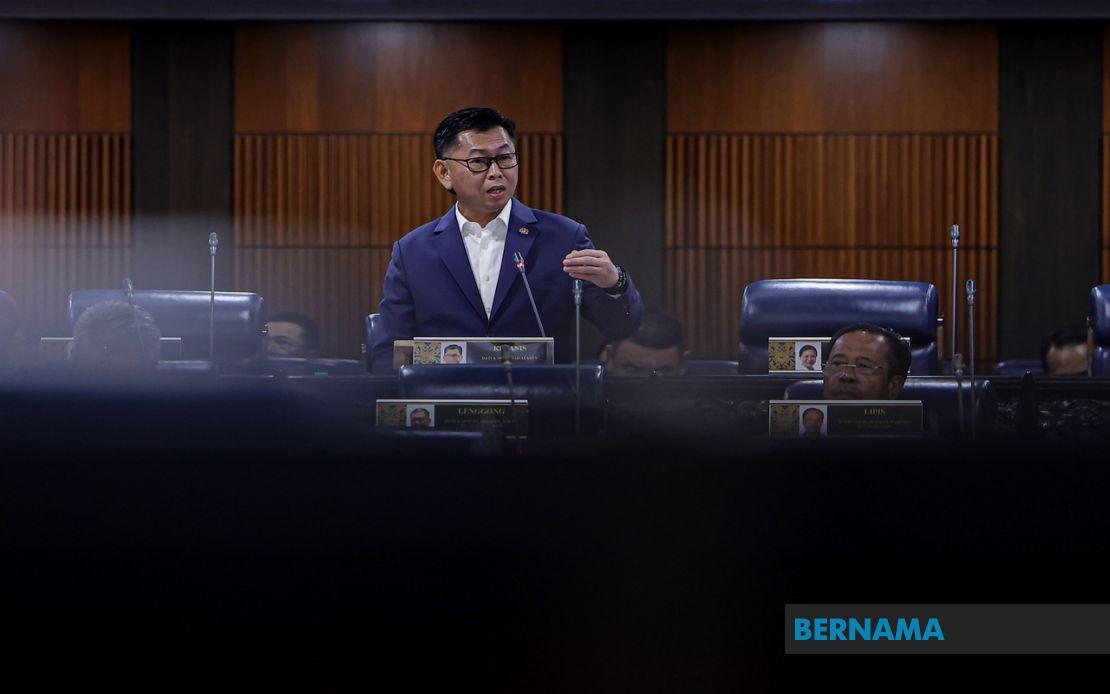
Deputy Minister Datuk Mohamad Alamin outlined the government's strategic vision when addressing Parliament, emphasising that the plan represents a fundamental shift towards building a more resilient and adaptive ecosystem for Malaysian entrepreneurs. The approach acknowledges that local traders cannot simply match the cost structures of foreign sellers but instead must develop distinct competitive advantages through technology access, market connectivity, and capability building. This represents a departure from passive support towards active intervention in market dynamics, positioning the state as a facilitator in levelling the commercial terrain.
The challenge confronting Malaysian digital entrepreneurs has become increasingly acute as international retailers have established strong footholds in regional e-commerce markets. Foreign traders benefit from economies of scale, distributed supply chains, and lower labour costs that permit aggressive pricing strategies local competitors cannot match. KUSKOP's response acknowledges this structural disadvantage and proposes to offset it through eliminating the cost barriers that plague domestic small traders, particularly those with limited capital for online platform investments.
Central to this strategy is MyMall, a dedicated e-commerce marketplace KUSKOP introduced in 2022 that functions as a cost-free digital storefront for local entrepreneurs and cooperative societies. By removing premises charges entirely, the platform removes a significant financial obstacle that traditionally consumed precious working capital for small traders. As of May 31, the platform had attracted 5,776 registered merchants who collectively generated RM24.5 million in cumulative sales, demonstrating both meaningful market participation and the genuine purchasing power of Malaysian consumers when products are presented through accessible channels.
The MyMall initiative reflects a broader recognition that access to market infrastructure, rather than product quality or innovation capacity, often determines success for small traders. Many Malaysian entrepreneurs possess competitive products but lack the initial investment required to establish visibility on premium e-commerce platforms that charge steep commission rates and listing fees. By providing free marketplace access, KUSKOP removes this entry barrier while simultaneously capturing sales data and consumer insights that help merchants refine their offerings.
Compounding this foundation, KUSKOP has expanded its digital support ecosystem through strategic collaboration with TikTok Shop, leveraging the platform's explosive growth throughout Southeast Asia. Through Tekun Nasional, the ministry has established livestream studio facilities that enable entrepreneurs to conduct professional product demonstrations and interactive selling sessions—a capability previously accessible only to larger retailers with dedicated marketing budgets. This infrastructure democratisation has proven remarkably effective, with 1,054 digital entrepreneurs already utilising the facilities to generate sales reaching RM35 million.
The TikTok Shop initiative represents particularly shrewd positioning given the platform's dominance among Southeast Asian consumers, especially younger demographics with substantial purchasing power. Livestream commerce has emerged as a critical sales channel in the region, yet production quality and technical barriers have historically excluded small merchants from participating effectively. By providing professional studio access at no cost, KUSKOP has removed a crucial disadvantage and positioned Malaysian traders to compete on content quality and authentic engagement rather than budget constraints.
Beyond urban-focused digital platforms, KUSKOP has recognised that rural communities and less-connected entrepreneurs require targeted intervention to participate in the digital economy. Bank Rakyat, operating under the ministry's framework, has implemented the Jajahan Rakyat programme specifically targeting rural entrepreneurs with digitalisation assistance. This initiative has already supported 627 entrepreneurs with a financing allocation of RM610.6 million, ensuring that the digital economy benefits extend beyond metropolitan areas where internet penetration and digital literacy are already established.
The comprehensive nature of this approach—spanning free marketplace access, production infrastructure, financing mechanisms, and rural-specific programmes—suggests KUSKOP recognises that digital transformation requires simultaneous intervention across multiple access points. A trader cannot succeed simply by gaining platform access if they lack capital to purchase inventory or the technical knowledge to navigate online selling. By providing integrated support spanning financing, infrastructure, and market access, the ministry addresses this systemic complexity more effectively than isolated initiatives.
For Malaysia's broader economic strategy, this focus on MSME digital competitiveness carries significant implications. Small and medium enterprises constitute the backbone of domestic employment and contribute substantially to exports and GDP growth. As global commerce increasingly shifts online, MSMEs that fail to develop digital capabilities face gradual marginalisation regardless of product quality. KUSKOP's 2030 plan represents acknowledgment that government must actively facilitate this transition rather than assuming market forces alone will organise it successfully.
The initiatives also reveal important thinking about regional competition. Southeast Asia has emerged as a fierce battleground for e-commerce dominance, with Lazada, Shopee, and international retailers competing aggressively for market share. Local Malaysian traders competing on these platforms against sellers from Thailand, Vietnam, and Indonesia must possess genuine advantages beyond cost. By building distinctive digital infrastructure and capability, Malaysia attempts to create comparative advantages that transcend simple price competition.
However, translating policy framework into sustained competitive advantage requires continued evolution. Digital platforms evolve rapidly, consumer preferences shift unpredictably, and international competitors continuously innovate. KUSKOP's 2030 horizon suggests commitment to multi-year programme implementation rather than temporary initiatives, which should provide stability for merchants to build sustainable businesses. The accumulating results—RM24.5 million MyMall sales, RM35 million TikTok Shop sales, and RM610.6 million rural financing allocation—suggest the strategy is generating tangible commercial activity and employment opportunities across diverse geographic and demographic segments.
Moving forward, the ministry's capacity to monitor programme effectiveness and adapt strategies based on emerging market realities will determine whether these initiatives successfully transform Malaysian MSME competitiveness or remain well-intentioned but incremental support schemes. The 2030 plan's success ultimately depends on sustained coordination across multiple agencies, responsive policy adjustments as digital markets evolve, and continued investment in infrastructure and support services that keep pace with technological change.

