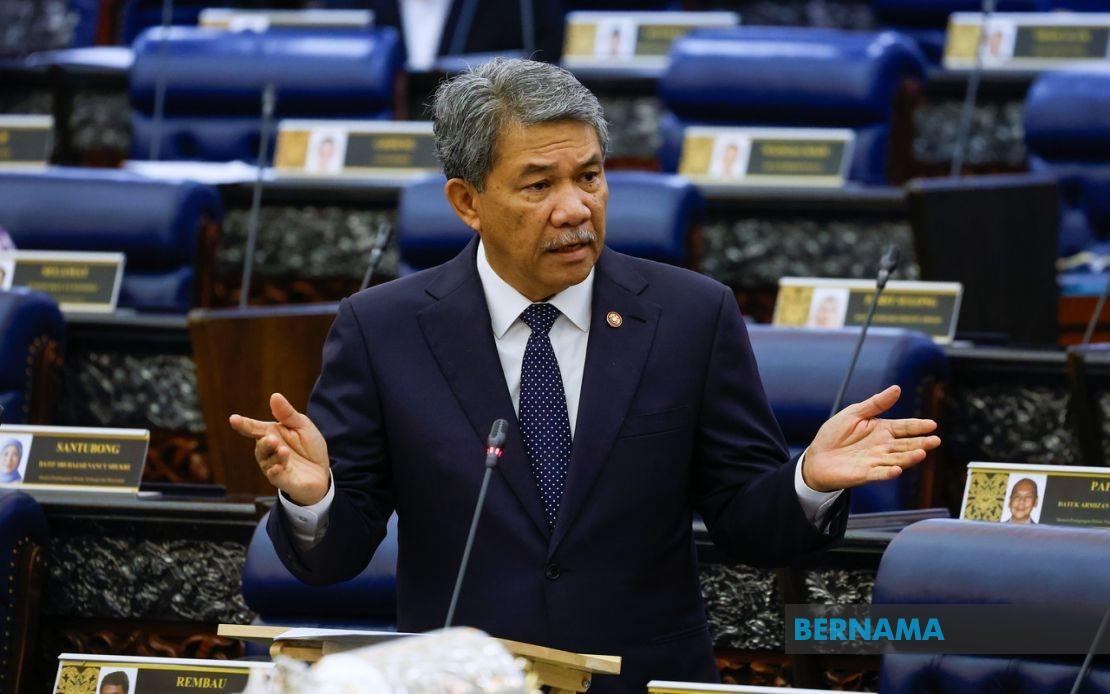
Malaysia's recent diplomatic engagement with Myanmar does not signal approval or recognition of the military government that has ruled the country since 2021, Foreign Minister Datuk Seri Mohamad Hasan stressed in parliament on June 25. The clarification comes amid persistent scrutiny of ASEAN member states' interactions with Myanmar's junta, with critics questioning whether diplomatic overtures undermine the bloc's stated commitment to pressuring the regime towards democratic reform and humanitarian compliance.
The Malaysian delegation's visit to Myanmar in May was undertaken at the directive of the 48th ASEAN Summit, which mandated that foreign ministers maintain informal channels of communication with the country. Mohamad emphasised that this engagement represents a considered regional strategy rather than unilateral Malaysian recognition of Myanmar's current administration. The decision reflects ASEAN's broader approach of keeping lines open even with governments that the organisation does not formally acknowledge as legitimate, a nuanced diplomatic position that distinguishes between practical engagement and political legitimacy.
During his meeting with Myanmar Foreign Minister Tin Maung Swe, Mohamad deliberately chose a hotel venue rather than the Foreign Ministry, a symbolic gesture intended to underscore Malaysia's position without formally elevating the junta's diplomatic standing. This careful choreography of venue selection reflects the delicate balancing act ASEAN nations must perform when addressing Myanmar, maintaining communication while avoiding gestures that might be interpreted as normalisation. The meeting itself centred on conveying Malaysia's expectations alongside broader ASEAN priorities regarding Myanmar's political future and adherence to regional standards.
A central theme of Mohamad's message to Myanmar concerned the reciprocal nature of ASEAN membership. While Myanmar possesses rights as a regional bloc member, he stressed that these privileges come with corresponding obligations and responsibilities. This framing positions the engagement not as pressure from outside powers but as a fellow member reminding Myanmar of its own commitments to the regional framework. The duality—acknowledging Myanmar's status while emphasising conditional expectations—demonstrates how ASEAN attempts to incentivise compliance through relationship maintenance rather than pure coercion.
Malaysia's strategy reflects a calculated assessment that complete isolation of Myanmar would prove counterproductive to resolving the humanitarian and political crisis gripping the country. Mohamad articulated a concern that excessive isolation creates a vacuum that external powers with potentially destabilising agendas might exploit, a consideration particularly relevant in Southeast Asia's strategic environment where major powers compete for influence. By maintaining dialogue, Malaysia and ASEAN aim to retain leverage and prevent Myanmar from drifting entirely outside the regional framework or becoming dependent on powers whose interests may not align with ASEAN's collective stability.
The commitment to continued engagement does not entail abandonment of the Five-Point Consensus, the regional framework established to guide Myanmar towards ceasefire, dialogue, and humanitarian access. Mohamad reaffirmed Malaysia's steadfast opposition to recognising the junta as Myanmar's legitimate government, positioning the diplomatic visits as instrumental measures serving the consensus objectives rather than alternatives to them. This distinction matters significantly for ASEAN's credibility, as member states must demonstrate that engagement coexists with principled positions on democratic norms and humanitarian concerns.
Planned follow-up meetings with Myanmar stakeholders scheduled for early or mid-July signal that Malaysia views this as an ongoing process rather than isolated encounters. These additional meetings will provide opportunities to assess progress on implementing the Five-Point Consensus and to convey evolving expectations from the regional perspective. The inclusion of multiple stakeholders suggests an attempt to understand the diverse interests and pressures operating within Myanmar's political landscape, recognising that the junta itself does not monolithically represent Myanmar's government structures or population.
The humanitarian dimension remains central to Malaysia's messaging. Mohamad reiterated calls for violence cessation, ceasefire implementation, inclusive political dialogue, and unhindered humanitarian assistance reaching Myanmar's civilian population. These demands reflect international humanitarian norms and ASEAN's stated concern for the welfare of Myanmar's people, distinguishing between opposition to the military government and concern for civilian suffering. The emphasis on humanitarian access addresses immediate crisis management while maintaining long-term pressure for political resolution.
For Malaysian policymakers, balancing engagement with principle poses continuing challenges as the Myanmar situation evolves. The country's position as an ASEAN member and neighbour creates particular stakes in Myanmar's stability and trajectory. Malaysia's approach—maintaining communication while refusing recognition—attempts to thread a narrow needle between pragmatic realism and normative commitments. How effectively this strategy contributes to eventual democratic transition or humanitarian improvement in Myanmar remains uncertain, reflecting the broader difficulty ASEAN faces in translating consensus statements into concrete outcomes in member states experiencing internal conflict.
The broader Southeast Asian context shapes Malaysian calculations about Myanmar engagement. Regional stability depends partly on preventing Myanmar from becoming a failed state or a proxy arena for major power competition. Malaysia's diplomatic efforts, therefore, serve not only Myanmar-specific objectives but also Malaysia's own strategic interests in maintaining a stable regional order. This intersection of humanitarian concern, diplomatic principle, and strategic calculation defines contemporary Malaysian foreign policy in Myanmar, a complexity that parliamentary questions about the May visit help illuminate for public understanding.

