Malaysia has taken a significant step in addressing the country's growing bullying crisis by introducing the Anti-Bullying Act 2026, which fundamentally shifts accountability beyond the perpetrator to include parents and family members. The legislation represents a departure from traditional criminal law frameworks, where responsibility typically rests solely with the offender. Instead, this new statutory approach extends legal and financial consequences to the household level, signalling the government's determination to treat bullying as a systemic family issue rather than an isolated youthful transgression.
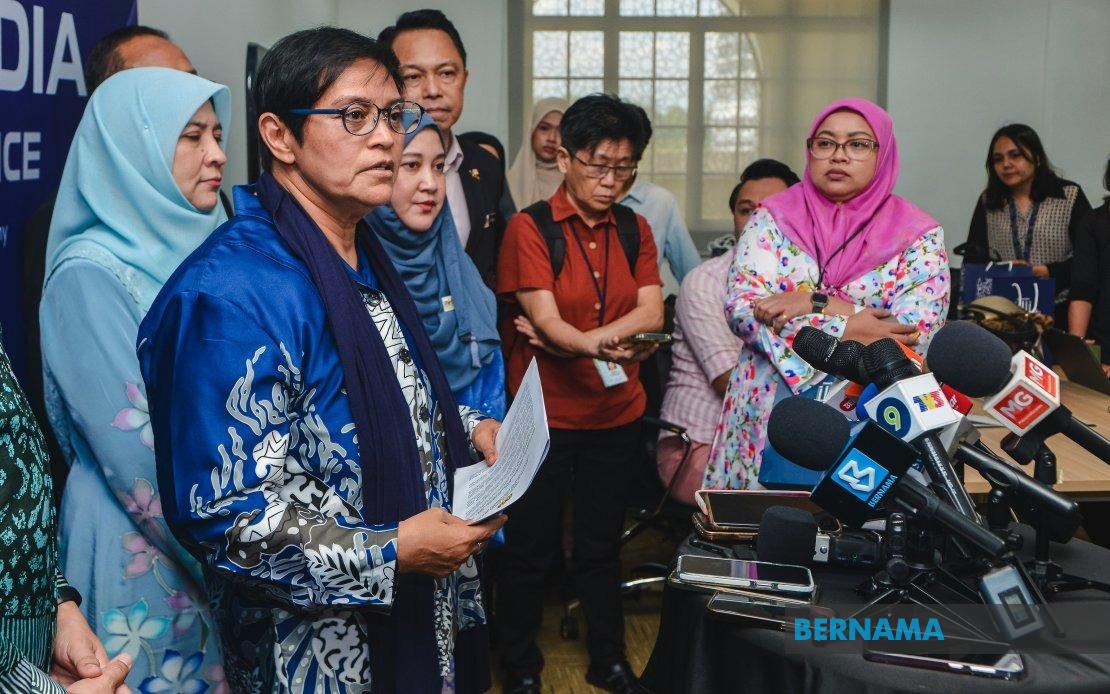
Datak Seri Azalina Othman Said, Minister in the Prime Minister's Department (Law and Institutional Reform), outlined the groundbreaking provision at the launch of the Anti-Bullying Tribunal headquarters at the Asian International Arbitration Centre (AIAC) in Kuala Lumpur on June 16. The parental joint liability clause represents one of the most significant reforms within the Act, creating a legal framework where family units bear responsibility for misconduct committed by minors. This expansion of accountability is particularly consequential for Malaysian households, as it transforms child discipline and supervision from a purely domestic matter into one with potential legal ramifications affecting parents' finances and legal standing.
The mechanism of joint family liability operates across multiple dimensions within the legislative framework. Parents are not merely answerable for the bullying act itself; they face binding obligations regarding financial penalties imposed by the tribunal. Fines and related penalties assessed against the child become enforceable against the family unit, effectively making parental resources directly accessible for satisfaction of tribunal orders. This approach differs markedly from conventional criminal offences in Malaysia, where such extended family responsibility is absent, and has obvious implications for household budgeting and financial planning in affected families.
The government's establishment of a dedicated Anti-Bullying Tribunal signals the seriousness with which authorities view the escalating bullying phenomenon across Malaysian society. The tribunal has recruited 56 members comprising legal experts, child psychologists, and specialists in youth-related matters, collectively equipped to adjudicate cases with nuanced understanding of adolescent behaviour and developmental contexts. This specialised composition distinguishes the tribunal from general courts, allowing for more contextualised decision-making that considers the circumstances and motivations behind bullying incidents rather than applying standardised criminal procedures.
Operational flexibility underpins the tribunal's accessibility across Malaysia's diverse geography and infrastructure landscape. While headquartered at the AIAC, proceedings are not confined to a single location but extend nationwide through innovative use of existing facilities. The tribunal operates through six designated hearing zones—both physical and virtual—strategically positioned within premises managed by the Legal Affairs Division, the Insolvency Department, Legal Aid Bureau offices, and repurposed courtroom spaces. This decentralisation recognises the practical barriers that victims and witnesses face in accessing justice, particularly in rural areas where travel to centralised courts imposes significant burdens on families.
The introduction of online complaint registration and virtual hearing capabilities represents a modernisation of dispute resolution mechanisms tailored to contemporary Malaysian reality. Digital accessibility removes geographic and temporal constraints that traditionally inhibited marginalised communities from pursuing justice. Students in remote Sabah and Sarawak can now lodge complaints through a public portal, participate in proceedings via video conference, and receive determinations without necessitating expensive travel to urban centres. This technological integration reflects recognition that bullying is increasingly mediated through digital channels, making online adjudication platforms particularly appropriate for cases originating from cyberbullying or social media harassment.
Crucially, the Act empowers victims to bypass institutional intermediaries and bring cases directly before the tribunal. Previously, students experiencing bullying outside school settings would face obstacles in accessing formal remedies, as institutional authorities claimed jurisdiction only over incidents occurring within their premises or under their supervision. The new framework removes this gatekeeping function, enabling victims to initiate tribunal proceedings for bullying occurring anywhere—in public spaces, online environments, or residential areas—without first attempting resolution through school management or hostel administration. This direct access provision proves particularly significant for cases involving extramural bullying networks or community-based harassment that falls outside institutional scope.
Azalina articulated the legislative impetus underlying these reforms: an alarming spike in bullying incidents with documented tragic consequences, including fatalities. The government perceives bullying not merely as childhood misbehaviour warranting mild corrective action, but as misconduct with potential to inflict severe psychological and physical harm. By establishing formal tribunal procedures with serious legal consequences including parental liability, the legislation aims to reshape cultural attitudes among Malaysian youth. The message being transmitted is that bullying constitutes serious misconduct subject to formal legal accountability rather than dismissed as trivial adolescent interaction requiring only school-based discipline.
The cultural and educational dimensions of this legislative approach merit examination. Malaysian society traditionally emphasises parental authority and family honour, concepts that align logically with parental liability provisions. However, the extension of legal liability may incentivise parental surveillance and control that raises questions about adolescent autonomy and privacy within households. Parents facing potential financial penalties for their children's bullying behaviour may respond with heightened monitoring of peer relationships and online activity, creating household dynamics characterised by suspicion rather than trust. Whether this risk-mitigation approach ultimately reduces bullying or merely displaces it to less detectable contexts remains an empirical question for subsequent evaluation.
For Malaysian businesses and institutions, particularly educational establishments, the Act's implications extend beyond individual cases. Schools and residential facilities must now implement comprehensive anti-bullying policies cognisant that bullying occurring on their premises may trigger tribunal action and parental liability. This shifts incentive structures, encouraging institutions to invest in prevention, early intervention, and rapid response mechanisms. The establishment of tribunal hearings at school locations acknowledges that educational settings remain primary bullying environments, requiring institutional cooperation with the formal justice system rather than internal resolution attempts.
The tribunal's nationwide operationalisation will commence with cases registered through the public portal, which will provide the jurisdiction's initial caseload. Early cases will likely establish jurisprudential precedents regarding what conduct constitutes bullying within the Act's definition, how severity is assessed, what constitutes appropriate parental responsibility, and what financial penalties prove proportionate. These early determinations will crystallise judicial interpretation that guides subsequent cases, making the tribunal's first year operationally crucial for establishing predictable frameworks that stakeholders—parents, educators, children, and legal practitioners—can understand and navigate.
Malaysia's Anti-Bullying Act 2026 positions the nation among jurisdictions taking seriously the weaponisation of peer dynamics within youth populations. While parental joint liability approaches exist in other legal systems, their application to bullying within a Southeast Asian context reflects particular social circumstances and governance philosophies. The concurrent emphasis on tribunal accessibility, victim empowerment, and substantive family responsibility suggests comprehensive rather than punitive legislative intent. Whether implementation achieves the stated objective of reducing bullying incidents while maintaining proportionate consequences for affected families will depend substantially on tribunal member training, consistent application of principles, and complementary educational initiatives that reinforce changed social norms regarding peer conduct.