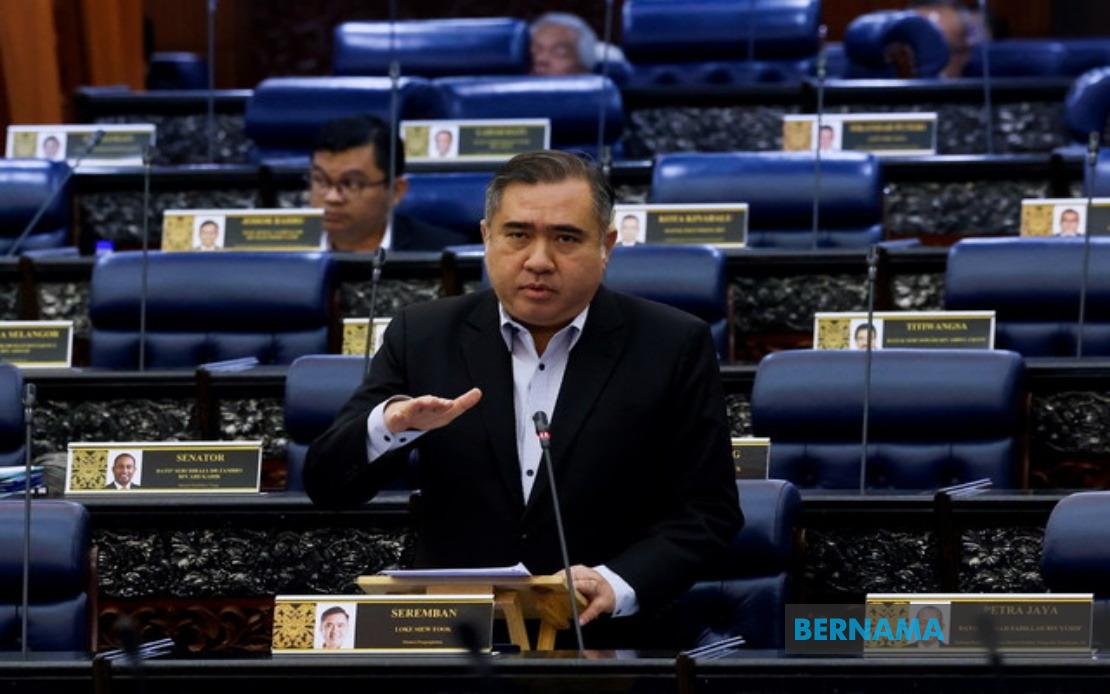
Malaysia's Transport Ministry is advancing a significant legislative overhaul aimed at protecting road accident victims and cracking down on dangerous driving practices that have become increasingly prevalent across the nation. Minister Anthony Loke announced in Parliament that the government intends to amend the Road Transport Act 1987, introducing a compensation framework that would compel courts to order convicted offenders to pay damages to victims or their surviving relatives when accidents result in death or serious injury. This represents a pivotal shift in how the legal system addresses the human cost of reckless driving, moving beyond traditional traffic violation frameworks toward a victim-centered approach.
The proposed amendments would grant courts discretionary power to assess compensation awards based on the specific circumstances of each case, considering the severity of injuries sustained, fatalities, financial losses incurred by victims' families, and the convicted person's capacity to pay. This nuanced approach acknowledges that no two accidents are identical and that compensation should reflect both the magnitude of harm and the realistic ability of offenders to satisfy judgments. For Malaysian families who have lost loved ones to traffic incidents, this mechanism offers a legal pathway to material recourse beyond the satisfaction of criminal conviction alone.
The government's determination to distinguish serious driving offences from routine traffic violations is evident in its stance on dangerous driving cases. Loke emphasized that drivers responsible for deaths through reckless behavior would no longer be treated as ordinary offenders facing standard fines and demerit points. Instead, such individuals would confront proportional legal consequences reflecting the gravity of their actions. This philosophical repositioning signals recognition that Malaysia's road fatality crisis demands responses that transcend administrative penalties and that the legal system must adequately express society's condemnation of fatal recklessness.
Addressing the specific menace of illegal street racing, the government has already passed the Road Transport (Amendment) Bill 2026, which introduces a distinct offense category under Section 42A specifically targeting organized racing activities. First-time offenders now face fines ranging from RM2,000 to RM10,000 or imprisonment up to two years or both. Repeat offenders encounter substantially harsher penalties, with fines between RM5,000 and RM20,000 and prison terms reaching five years. These graduated penalties reflect a deliberate escalation strategy designed to deter both initial participation and recidivism.
A critical innovation embedded within the amendment is the ability to prosecute individuals engaged in illegal racing before any accident materializes. Previously, enforcement authorities could only pursue charges after an incident had occurred, meaning weeks or months could elapse between dangerous activities and legal intervention. The revised framework permits immediate action against racers caught engaging in street competitions, fundamentally altering the enforcement calculus and enabling preventive rather than purely reactive policing. This temporal advantage could substantially reduce opportunities for illegal racing networks to operate with impunity.
The Ministry has backed legislative changes with tangible enforcement action. A recent operation in Johor resulted in sixteen arrests and the seizure of two hundred sixty motorcycles connected to illegal racing activity, demonstrating that the government possesses both the legal tools and operational capacity to disrupt these networks. Such enforcement campaigns serve dual purposes: they remove vehicles and participants from circulation while generating public awareness that racing laws will be actively enforced throughout the country.
The gravity of Malaysia's road safety challenge cannot be overstated. Nationwide, traffic accidents claim more than six thousand lives annually, a toll that surpasses many communicable diseases and represents a substantial burden on families, healthcare systems, and the broader economy. Beyond fatalities, tens of thousands sustain serious injuries requiring long-term medical care and rehabilitation. The June 1 incident at Kilometre 27 of Jalan Renggam-Simpang Renggam in Johor, which killed five people and triggered investigation under Section 302 of the Penal Code—Malaysia's most serious murder provision—exemplifies the catastrophic potential of illegal racing and the government's willingness to pursue maximum charges in egregious cases.
However, legislative amendments and enforcement operations alone cannot resolve a problem deeply rooted in behavioral patterns and cultural attitudes. Loke candidly acknowledged that reducing Malaysia's road death toll requires more than political commitment; it demands a comprehensive societal transformation encompassing behavioral change and sustained public awareness campaigns. The challenge lies in shifting mindsets among a significant minority of drivers and riders who regard traffic laws as negotiable guidelines rather than non-negotiable safety imperatives. This cultural dimension often escapes discussion in policy circles but remains central to explaining why countries with comparable road infrastructure and vehicle density achieve dramatically lower fatality rates.
The proposal for a cross-ministerial national strategy reflects understanding that road safety transcends the Transport Ministry's singular domain. Effective interventions require coordination among health authorities managing injury consequences, education systems embedding safety values in younger generations, local government enforcing municipal regulations, and community leaders reinforcing behavioral expectations. Loke's appeal for non-politicization of road safety issues suggests frustration with previous instances where transportation policy became enmeshed in partisan disputes, potentially diluting focus and delaying implementation of proven interventions.
For Malaysian motorists and pedestrians, these legislative and operational changes signal a tightening regulatory environment where dangerous driving carries increasingly severe consequences. The compensation mechanism provides victims' families with a formal legal avenue for obtaining financial redress, though questions remain about enforcement of judgments against offenders with limited assets. For young riders and drivers attracted to illegal racing, the enhanced penalties and preemptive enforcement capability create substantially heightened personal and legal risks that should factor into decision-making calculus.
The amendments also carry implications for the insurance industry and road safety advocacy organizations. Compensation awards might create pressure on vehicle insurers' claims reserves and could incentivize premium structures that reward safer driving behaviors. Road safety NGOs will likely view the legislative framework as validation of their campaigning priorities, though continued focus on enforcement consistency and behavioral modification will determine whether the amendments translate into meaningful fatality reductions.
Successful implementation of these reforms will require sustained political will extending beyond parliamentary approval to consistent enforcement, adequate resource allocation, and judicial consistency in sentencing and compensation awards. Regional neighbors and international road safety organizations will watch Malaysia's progress closely, as Southeast Asian nations collectively grapple with traffic fatality rates that substantially exceed those in developed nations. The coming months will reveal whether legislative toughness, combined with operational intensity and public awareness campaigns, can bend the trajectory of Malaysia's road safety crisis.

