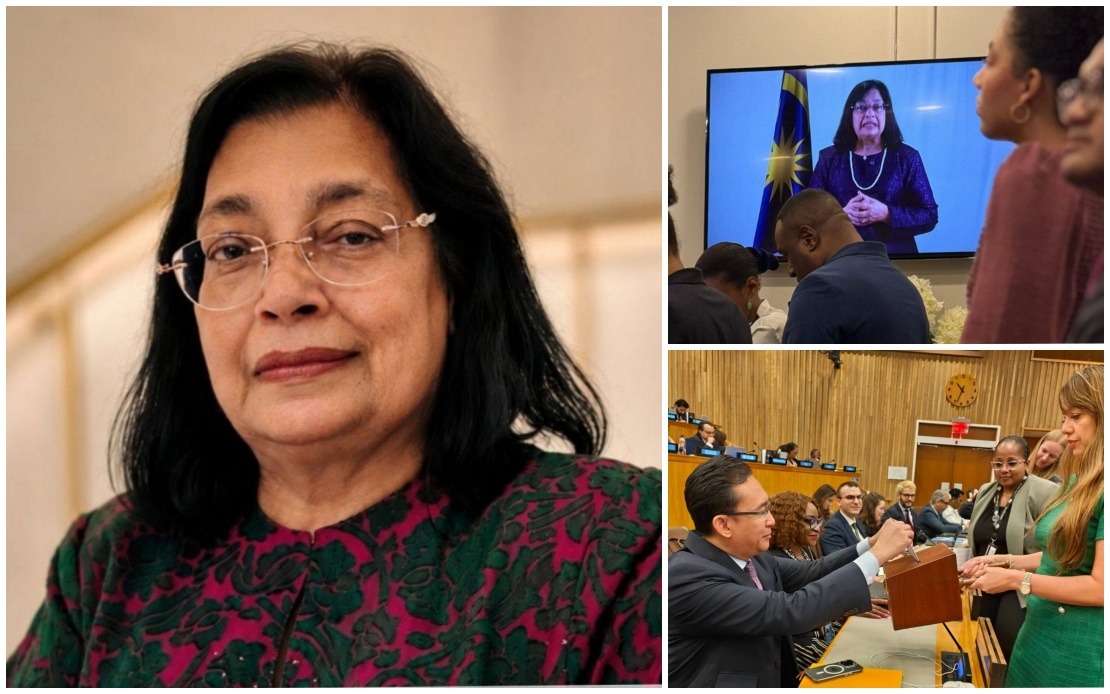
Malaysia has secured another significant position on the international children's rights stage with the election of Datuk Yasmeen Muhamad Shariff to the United Nations Committee on the Rights of the Child, covering the 2027–2031 term. The election took place on Tuesday at UN Headquarters in New York during the 21st Meeting of States Parties to the Convention on the Rights of the Child. Yasmeen's commanding victory, with 136 votes from the 189 States Parties present and voting, underscores the strong international backing for her candidacy and positions Malaysia as a committed voice in global child protection advocacy.
The overwhelming support Yasmeen received reflects not merely a procedural victory but signals the broader international community's confidence in her personal expertise and track record in championing children's welfare. Her re-election to the committee marks only her second appointment; she previously served during the 2013–2017 term, demonstrating sustained recognition of her contributions to advancing the convention's implementation worldwide. This continuity in her service provides valuable institutional memory and established relationships that will enhance Malaysia's influence in the committee's deliberations on critical child protection issues.
As an independent expert serving in her personal capacity, Yasmeen will engage directly with the committee's core mandate of monitoring how States Parties implement the Convention on the Rights of the Child. Beyond passive oversight, she will participate in constructive dialogue with governments, offering technical expertise and guidance on translating the convention's principles into practical policy. The committee's work encompasses reviewing periodic reports from signatory nations, identifying gaps in child protection frameworks, and recommending improvements tailored to each country's specific context and challenges.
The appointment carries particular significance for Malaysia's international standing on children's rights. By having one of its nationals serve on this influential body, Malaysia gains a platform to influence global discourse on pressing child welfare issues while simultaneously projecting itself as a serious partner committed to protecting vulnerable populations. The Foreign Ministry's statement emphasising Malaysia's dedication to inclusive policies and legal reforms suggests the government views Yasmeen's appointment as validation of its domestic child protection initiatives.
Yasmeen's re-election also reflects Malaysia's sustained engagement with the UN system and multilateral human rights mechanisms. In an era when some nations withdraw from international commitments or face scrutiny over compliance, Malaysia's successful nomination demonstrates active participation in global governance structures. This engagement carries implications for Malaysia's broader foreign policy positioning within the region and at the global level, signalling a willingness to subject national policies to international scrutiny and to contribute to setting universal standards.
The committee's role has grown increasingly vital in addressing complex, evolving threats to child welfare. Contemporary challenges—from digital exploitation and cyberbullying to climate-related displacement and pandemic-related disruptions to education—demand sophisticated analysis and cross-national dialogue. Yasmeen's appointment arrives at a moment when these issues demand urgent attention, positioning Malaysia to contribute to developing coordinated international responses to child protection emergencies that transcend borders.
For Malaysian policymakers and civil society organisations, Yasmeen's position on the committee creates channels for dialogue with international peers, access to best practices from other jurisdictions, and opportunities to learn from global implementation experiences. The committee regularly engages with child protection experts, NGOs, and stakeholders, creating networking opportunities that can strengthen Malaysia's domestic child welfare ecosystem. Her role provides informal channels through which Malaysian child protection advocates can raise concerns with influential international figures and amplify calls for policy changes.
The Ministry of Women, Family and Community Development's stated role in supporting Malaysia's nomination highlights how child protection efforts require whole-of-government coordination. This institutional support extends beyond ceremonial backing; it reflects acknowledgement that international engagement on children's rights has direct implications for domestic policy frameworks and legislative priorities. The coordination between the Foreign Ministry and the women and family development portfolio suggests a coherent national strategy for advancing child welfare across multiple dimensions.
Yasmeen's return to the committee also underscores Malaysia's commitment to the Convention on the Rights of the Child, a treaty ratified by nearly every nation worldwide. Despite near-universal ratification, significant gaps persist between treaty obligations and national implementation. Malaysia's continued engagement through Yasmeen's appointment demonstrates recognition that treaty compliance requires sustained international pressure, peer review, and expert guidance. Countries often respond more readily to recommendations from peer experts than to external criticism, making positions like Yasmeen's valuable for driving incremental progress toward fuller realisation of children's rights.
The 2027–2031 term will occur during a period when child protection challenges are likely to intensify. Geopolitical tensions, economic pressures, and environmental degradation all create pressures on child welfare systems. Having an experienced Malaysian expert positioned to influence committee discussions on these issues provides Malaysia with a voice in shaping international responses to anticipated crises. Furthermore, Yasmeen's expertise will inform how the committee guides countries toward child-centred approaches that acknowledge children not merely as passive beneficiaries of protection but as agents with voices in matters affecting their lives.
The election outcome also carries symbolic weight for Malaysia's standing in global human rights discussions. While the country periodically faces international criticism on various human rights matters, successful nomination to respected UN bodies demonstrates that Malaysia retains credibility on specific issues where it can demonstrate genuine commitment and expertise. Building such credibility selectively across multiple issue areas contributes to a more nuanced international perception of Malaysia's human rights record and strengthens the nation's negotiating position on broader governance matters within multilateral forums.

