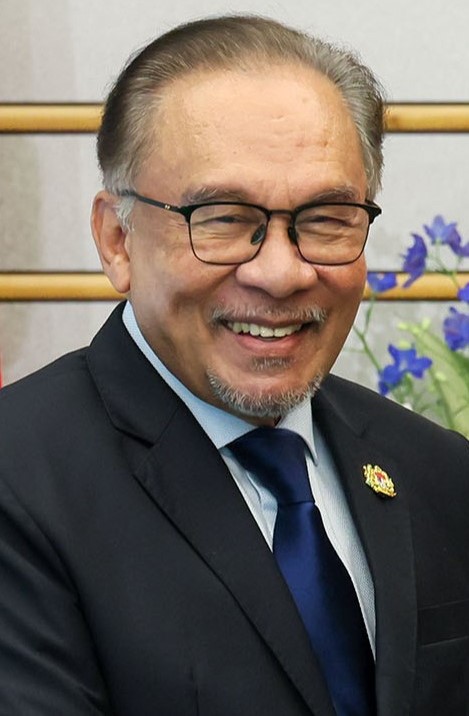
Malaysia's youth are being asked to harness the spiritual and philosophical dimensions of Hijrah—the migration of Prophet Muhammad from Makkah to Madinah—as a catalyst for meaningful personal and societal transformation. Datuk Dr Zulkifli Hasan, Minister in the Prime Minister's Department (Religious Affairs), made this appeal during national observances of Maal Hijrah, emphasising that the country's younger generation possesses considerable untapped potential that could be channelled toward constructive development when guided by historical Islamic principles.
The minister's exhortation speaks to a broader strategic objective: anchoring contemporary youth engagement with foundational Islamic concepts that carry lessons applicable beyond purely religious contexts. By framing Hijrah not merely as a historical event but as a paradigm encompassing resilience, community-building, and purposeful migration toward improved circumstances, officials seek to inspire young Malaysians to reflect critically on their own roles in advancing national progress. This reframing is particularly significant in a multicultural society where Islamic heritage can serve as a unifying reference point across diverse communities.
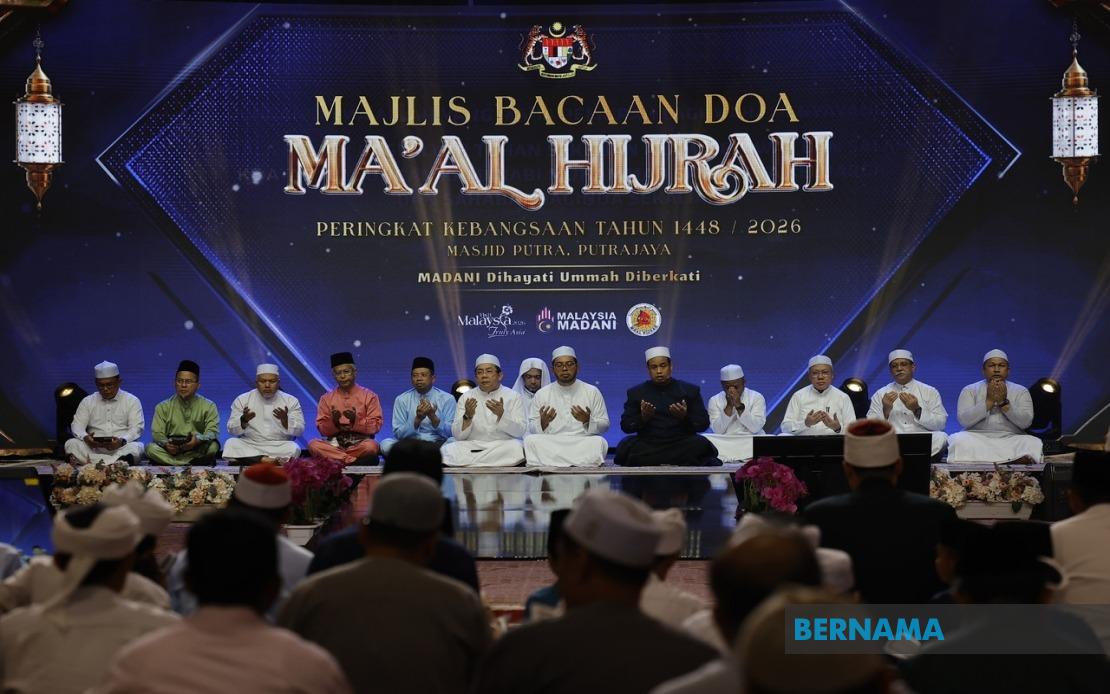
This year's national-level Maal Hijrah 1448H/2026M celebration adopted a modified structural approach, with ceremony planners selecting Putra Mosque in Putrajaya as the ceremonial anchor point. The choice carries symbolic weight: by initiating proceedings at a mosque, organisers underscore the institution's historical primacy in Prophet Muhammad's establishment of the first Muslim community in Madinah. The mosque, in this framing, transcends its function as a purely devotional space and becomes representative of the foundational infrastructure upon which civilisation and communal welfare are constructed—a metaphor relevant to contemporary nation-building discourse.
Program designers intentionally calibrated the scale and scope of this year's observance with an eye toward resource sustainability. Amid persistent global supply chain disruptions and energy security concerns affecting multiple nations, Malaysia's decision to maintain a more restrained celebration reflects broader governmental sensitivity to conservation imperatives. This pragmatic approach demonstrates how religious and cultural observances can be conducted without excess, potentially setting an example for sustainable practice during periods of economic constraint.
The centrepiece event is scheduled for June 17, commencing at 7 am at Putra Mosque, with proceedings to be officiated by Sultan Nazrin Shah, the Sultan of Perak. This arrangement confers both ceremonial gravitas and state-level endorsement upon the occasion. The principal highlight involves presentation of national and international Maal Hijrah Figure awards, recognising individuals whose contributions exemplify the hijrah spirit of positive change and community service. Such recognition programmes serve to illuminate contemporary role models whose lived experiences demonstrate practical applications of these principles.
Complementing the main ceremony, a major keynote lecture featuring prominent national and international Islamic scholars and thought leaders will take place on June 18 at the JAKIM Auditorium. This forum is expected to convene approximately 1,000 participants—a substantial gathering that provides a dedicated space for intellectual engagement with Hijrah concepts. The lecture series structure permits these respected figures to share personal insights, theological perspectives, and practical experiences regarding how the hijrah spirit manifests in modern life, offering attendees diverse interpretive frameworks.
For Malaysian youth specifically, the relevance of such programming extends into several contemporary domains. In an era marked by rapid social change, economic uncertainty, and shifting career landscapes, the Hijrah narrative—centred on purposeful transition, community-building amid adversity, and moral commitment despite obstacles—offers conceptual scaffolding for navigating personal and professional transitions. The minister's appeal implicitly suggests that young Malaysians might draw upon Islamic historical precedent when considering their own contributions to societal progress, whether through entrepreneurship, community service, education, or professional endeavour.
The emphasis on drawing from Prophet Muhammad's foundational work in establishing community institutions also carries implications for how young people might approach civic engagement. By highlighting the mosque's role as a nexus for civilisational development, organisers encourage reflection on how contemporary institutions—educational, commercial, governmental—might similarly function as vehicles for collective welfare. This intellectual connection between historical precedent and present-day responsibility offers young participants a framework for conceptualising their roles as agents of constructive change.
From a broader regional perspective, Malaysia's investment in such commemorative programming reflects the nation's ongoing effort to maintain robust engagement with Islamic cultural and spiritual heritage whilst remaining embedded within a pluralistic, modern context. The observance demonstrates how religious occasions can serve dual functions: honouring historical significance whilst simultaneously generating contemporary relevance. For Southeast Asian observers, Malaysia's approach illustrates how Islamic traditions can be activated in service of national development narratives without requiring ideological uniformity or exclusionary frameworks.
The minister's articulation of youth potential coupled with structured programming to realise that potential suggests a coordinated strategy to channel younger Malaysians' energies toward nation-building objectives. By explicitly connecting Hijrah principles to positive change and development, officials are essentially proposing that Islamic heritage provides not merely spiritual sustenance but also practical wisdom applicable to contemporary challenges surrounding social cohesion, economic opportunity, and institutional development. This framing potentially extends the appeal of such observances beyond exclusively religious constituencies to include secular and pragmatically-minded youth interested in developmental frameworks.
The coming weeks will reveal whether this year's Maal Hijrah programming successfully engages youth imagination and stimulates the kind of personal reflection the minister seeks. The scale of attendance at both the Putra Mosque ceremony and the JAKIM lecture series will provide indicators of youth interest, whilst subsequent public commentary and social media engagement may illuminate whether the hijrah spirit has resonated as an actionable principle for positive change or remained largely ceremonial. For Malaysia's religious affairs apparatus and youth development agencies, assessing this engagement will inform future approaches to connecting historical Islamic teachings with contemporary national development objectives.