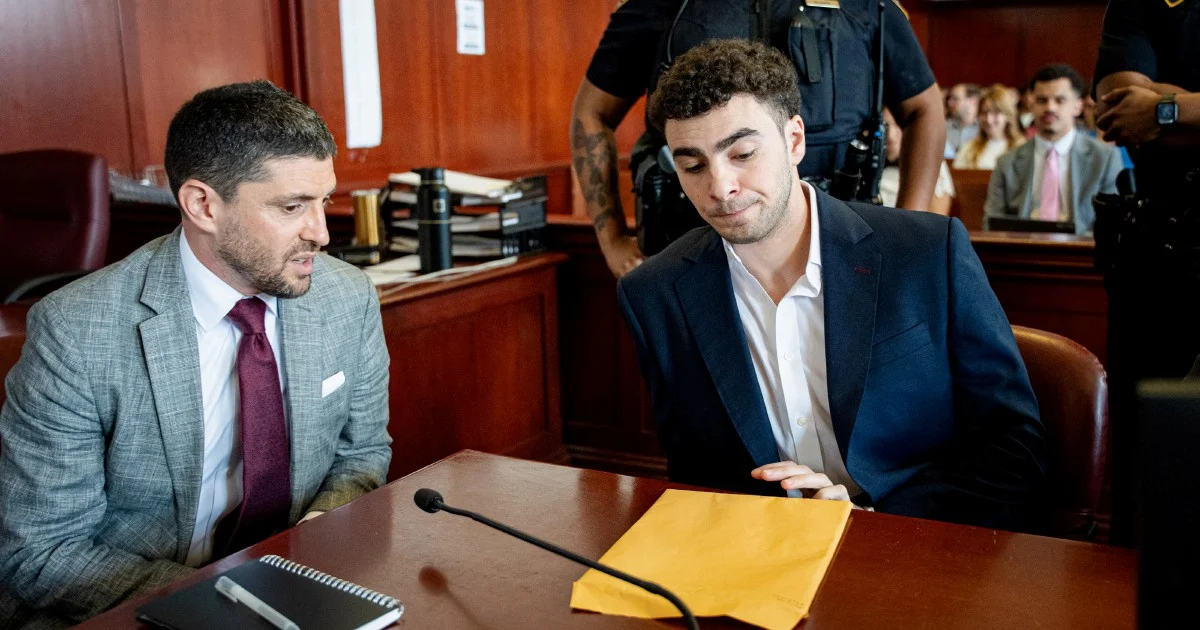
Luigi Mangione, the man facing charges for allegedly fatally shooting health insurance chief Brian Thompson on a Manhattan sidewalk in December, has made a significant tactical shift by withdrawing his planned mental health defence strategy, according to court documents filed on Friday. The decision marks a notable pivot in his legal approach as preparations for trial intensify in New York.
Mangione's legal team had previously signalled intentions to introduce evidence demonstrating that he was experiencing an acute mental health crisis at the moment of the alleged shooting. This defence tactic, if pursued, would typically aim to suggest diminished capacity or challenge his mental fitness at the time the alleged crime occurred. The withdrawal of this particular avenue leaves prosecutors and the court uncertain about what alternative defences may be presented during the trial proceedings.
The timing and reasoning behind this strategic withdrawal remain subjects of legal speculation. Defence teams frequently adjust their courtroom strategies as trials approach, weighing the strength of available evidence and assessing how jurors might respond to particular arguments. The decision to set aside mental health evidence now does not necessarily mean such evidence will remain off the table permanently—legal filings in major cases often contain provisions allowing for future reconsideration of strategic positions.
Mangione's case has captured national attention since the December shooting of Thompson, a prominent figure in the health insurance industry. The alleged killing sparked broader conversations about frustration with insurance practices and corporate accountability across American society. The case has become a focal point for discussions around healthcare access and the personal pressures facing executives in controversial industries, particularly in a nation where medical debt and insurance denial remain persistent social concerns.
The withdrawal of mental health defence plans represents a departure from common strategies employed in high-profile homicide cases. Typically, when individuals are charged with serious violent offences, defence teams explore every possible angle to either prove innocence or establish circumstances that might mitigate culpability. The decision to step back from this particular approach suggests either strengthened confidence in alternative defence strategies or pragmatic calculations about how such evidence might be received.
New York courts have overseen numerous high-profile cases involving mental health considerations, and judges and juries in the jurisdiction are accustomed to evaluating such evidence. However, the acceptance and weight given to mental health defences varies considerably depending on the specific circumstances and how defence teams present their arguments. Mangione's legal representatives may have concluded that pursuing this direction would prove less advantageous than focusing on other defensive strategies.
The case carries particular resonance in Southeast Asia, where healthcare systems and insurance practices differ significantly from the American model. Malaysia's Universal Health Coverage framework and subsidised healthcare approach contrasts sharply with the insurance-dependent system that Thompson worked within, yet similar tensions around healthcare access and corporate accountability resonate across the region. The case illustrates ongoing global concerns about the pressures faced by those working in industries perceived as obstacles to vital medical services.
Mangione, who is from Maryland, faces serious charges in connection with Thompson's death. The investigation revealed details about his background, movements, and alleged motivations that have been extensively covered in American media. His case intersects with broader national conversations about gun violence, corporate accountability, and mental health support systems within the United States.
As the case progresses toward trial, defence teams will likely employ multiple strategic approaches rather than relying solely on any single avenue of argument. The withdrawal of mental health evidence plans allows them to focus resources and courtroom narrative on whatever remaining strategies they believe will most effectively challenge the prosecution's case. Courts typically permit considerable latitude in how defence teams structure their presentations, provided such strategies comply with legal and ethical requirements.
The filing demonstrates how legal strategy in capital cases remains fluid until trial concludes. Defence teams continuously reassess their positions based on discovery materials, expert evaluations, and evolving circumstances. Prosecutors may now adjust their own trial preparations based on this revealed change in defence direction, potentially strengthening certain aspects of their case presentation while deprioritising others.
Mangione's case continues to draw scrutiny from legal analysts, media observers, and members of the public who view it through various lenses—some sympathetic to grievances about the insurance industry, others focused on the fundamental question of criminal accountability. The withdrawal of the mental health defence represents one more chapter in what promises to be a closely watched legal proceeding that will likely influence broader discussions about justice, healthcare, and corporate responsibility.

