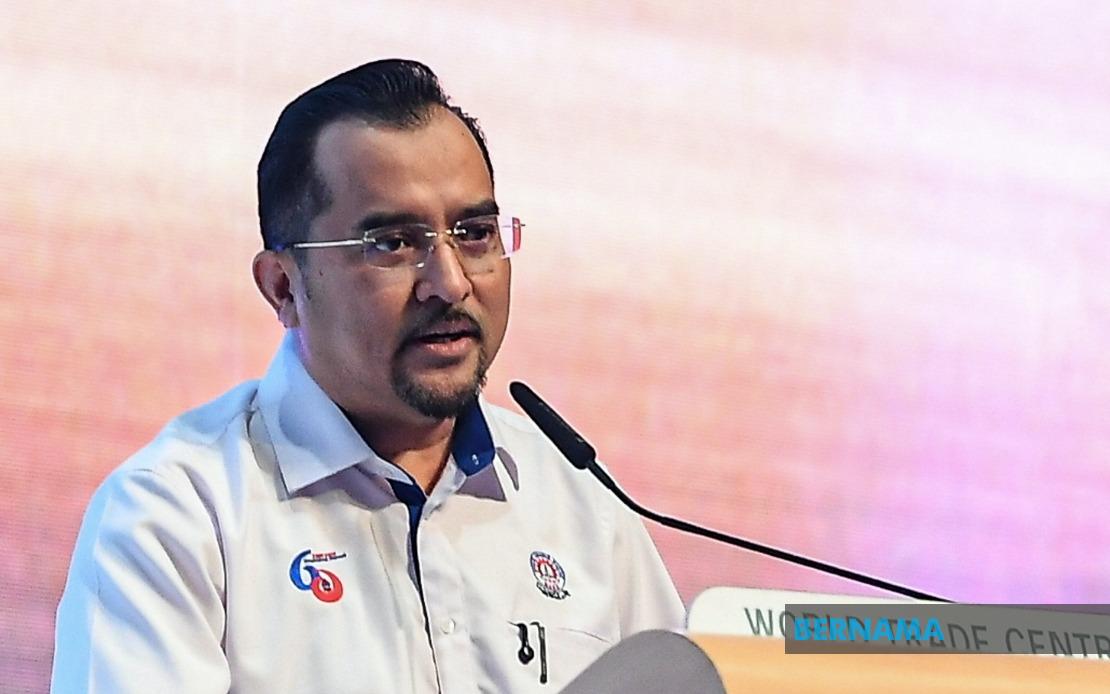
The Malaysian government has taken a firm stance against a bullying case at a MARA Junior Science College in Johor, with the institution's leadership declaring that any students found culpable will face immediate expulsion. The case involves six Form Five students who were apprehended on suspicion of harassing a 14-year-old peer, prompting MARA Chairman Datuk Asyraf Wajdi Dusuki to announce swift and uncompromising disciplinary measures that underscore the intensifying concern over student safety in Malaysia's elite boarding schools.
The incident gained public attention after the victim's family shared details on social media platforms, drawing attention to the psychological toll the bullying had exerted on their child. According to the account provided by the parents, their son had reached a breaking point and requested to withdraw from the college entirely, unable to continue bearing the mistreatment inflicted by his peers. This parental intervention proved pivotal in bringing the matter to wider attention and triggering an official response that has now escalated into a police investigation and intensive internal review.
Dusuki emphasized that the College Disciplinary Committee must convene within 24 hours to initiate a comprehensive investigation into the allegations. His directive represents a departure from standard procedural timelines, signalling the seriousness with which MARA is treating the matter. The urgency of this timeline reflects both institutional concern and political sensitivity surrounding safeguarding issues in government-funded educational establishments, particularly residential colleges where duty of care extends to round-the-clock supervision.
The six accused students, who remain remanded for two days to facilitate police questioning, represent a significant disciplinary challenge for the institution. Their potential expulsion would constitute one of the most severe penalties available to the school administration, typically reserved for the gravest infractions. By publicly committing to this outcome if guilt is established, Dusuki has effectively removed any possibility of leniency or alternative disciplinary paths, establishing an unambiguous deterrent against similar future conduct.
Crucially, Dusuki articulated a blanket policy statement that has become something of a mantra within MRSM circles: "YOU TOUCH, YOU GO." This succinct phrase encapsulates the institution's position that any student engaging in physical violence or harassment against peers will face immediate termination of enrolment. The statement serves multiple purposes—it reaffirms institutional commitment to safety, addresses concerns among parents and students, and sends a clear signal to the broader student body about behavioural expectations and consequences.
The Chairman's declaration that bullying or vigilante disciplining of junior students is categorically unacceptable reflects ongoing tensions within Malaysian boarding school culture. Historically, these institutions have operated under somewhat informal hierarchical systems where senior students wielded considerable influence over juniors, sometimes justified as character-building or tradition. The current institutional response signals a deliberate shift away from such practices, recognizing that informal power dynamics can easily deteriorate into abuse.
Particularly noteworthy is Dusuki's explicit condemnation of any justification for bullying framed as "disciplining" junior students. This language directly addresses a common rationalization used to excuse bullying behaviour within hierarchical educational environments. By rejecting this framing, MARA leadership is dismantling one of the primary narratives traditionally used to normalize student-on-student violence in Malaysian boarding schools.
Dusuki also issued a direct appeal to the student body, urging victims of bullying to report incidents to teachers, wardens, or school administration rather than choosing to withdraw from their studies. This messaging attempts to shift responsibility from individual students to institutional safeguarding mechanisms, encouraging reporting and institutional accountability rather than private resolution or departure. The emphasis on not abandoning education due to victimization reflects broader policy concerns about retention and student wellbeing.
An additional warning was levied against any individuals who might attempt to conceal or shield those implicated in bullying activities. This warning extends the disciplinary scope beyond the perpetrators themselves to potential accessories or enablers, signalling that institutional accountability extends to collective responsibility. The threat of action against those protecting offenders is designed to prevent what authorities perceive as widespread under-reporting and informal cover-ups that have historically characterized boarding school cultures.
The timing of this public intervention carries significance beyond the immediate case. Student safety in Malaysian boarding schools has become an increasingly visible issue, with various incidents gaining media attention and parental scrutiny. MARA's forthright response can be interpreted partly as institutional damage control but also as genuine commitment to shifting campus culture. The political dimension is relevant because MRSM institutions are government-funded and represent national investment in academic excellence, making their reputation and student safety matters of public concern.
For Malaysian parents considering MRSM placement for their children, this case and the institutional response provide some reassurance regarding administrative responsiveness to safety concerns. However, it also highlights that bullying incidents do occur within these prestigious institutions despite their selective admissions processes and structured environments. The emphasis on reporting mechanisms suggests that parents should remain engaged and encourage children to communicate concerns rather than assume such elite institutions are bullying-free zones.
The investigation now proceeding through police channels adds a criminal dimension to what would traditionally have been handled purely as an institutional matter. This escalation reflects contemporary attitudes that view serious bullying as potentially criminal harassment rather than purely scholastic misconduct. The outcome of the police investigation will likely inform the severity and nature of disciplinary action taken by MARA, though the institution has already signalled its intention to act decisively regardless of criminal proceedings.
Ultimately, this case represents a testing ground for MARA's commitment to transforming campus culture. The public nature of the announcement, the compressed timeline for investigation, and the explicit commitment to expulsion if guilt is established all suggest institutional determination to prevent similar incidents. Whether these measures translate into sustained cultural change within MRSM establishments remains to be seen, but the clear messaging provides a foundation for institutional accountability and student protection going forward.

