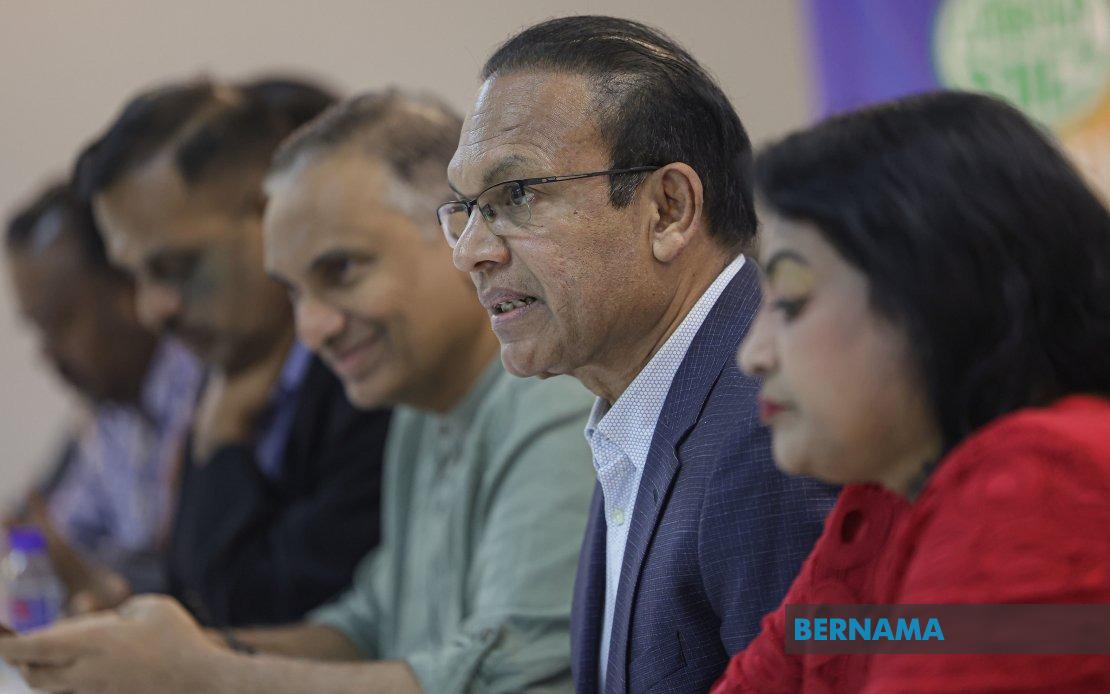
The Malaysian Indian Congress has been designated to contest four seats in the upcoming Johor state election, according to an announcement by the party's vice-president Datuk T. Murugiah. The allocation was confirmed by MIC president Tan Sri SA. Vigneswaran, who participated in recent strategic discussions between Barisan Nasional component parties regarding both the Johor and Negeri Sembilan state elections. This decision represents MIC's contribution to BN's overall electoral machinery in one of Malaysia's most significant state contests.
Murugiah revealed that seat allocations for Negeri Sembilan remain under discussion and have not yet been finalised, with active preparations now underway for both states. The party is mobilising its resources to ensure effective ground-level engagement with voters, particularly within the Indian community which remains a significant demographic bloc across multiple constituencies. The timing of these announcements coincides with the party's 80th anniversary celebrations, underscoring the organisation's continued relevance within Malaysia's multiethnic political landscape.
To strengthen grassroots campaign capabilities, MIC is conducting a comprehensive two-day training programme this weekend in Johor Bahru for approximately 150 party speakers and campaigners. These trained personnel will be tasked with effectively communicating the coalition's message and policy positions to Indian voters throughout the state. The training curriculum focuses on public speaking techniques and ensuring consistent delivery of campaign messages, equipping speakers to engage with constituents across all 56 state seats that BN will contest in Johor. This structured approach demonstrates how the component parties within BN coordinate their electoral strategies to maximise penetration into specific voting blocs.
MIC's performance in the previous Johor state election three years ago provides a benchmark for expectations in the upcoming contest. During the March 2022 state polls, the party successfully retained three of its four allocated seats—Kemelah, Kahang and Tenggaroh—whilst losing the Bukit Batu constituency. Based on preliminary indications from party insiders, MIC is expected to refocus its candidate nominations in the current election. The party appears likely to field candidates in Kemelah, Kahang and Bukit Batu, whilst the Tenggaroh seat may be traded to UMNO in exchange for the Perling constituency, reflecting the negotiations that regularly occur within BN component parties regarding seat distribution and strategic positioning.
Seat-swapping arrangements between BN component parties serve multiple strategic purposes within the coalition framework. These negotiations typically reflect assessments of candidate strength, demographic composition of constituencies, and the relative electoral viability of different party machines within specific areas. By yielding Tenggaroh to UMNO whilst gaining Perling, MIC signals both its pragmatism regarding resource allocation and its confidence that the Perling constituency offers improved prospects for the party or its designated candidate. Such arrangements are common practice within BN and demonstrate the coalition's adaptability in positioning its combined resources for maximum electoral effectiveness.
Candidate selection for the Johor election will undergo a significant generational transition, with party sources indicating that approximately half of MIC's candidates will be new faces entering the electoral arena. This refresh of candidate profiles suggests the party is seeking to broaden its appeal and inject fresh energy into its campaign machinery. The nomination process for Johor candidates will occur on June 27, providing the party with a defined timeline to formalise its selection process and begin formal campaigning. For Negeri Sembilan, the nomination date is scheduled for July 18, allowing sequential focus on both states.
The Electoral Commission has established July 11 as the polling date for Johor and August 1 for Negeri Sembilan, giving all political parties a defined campaign window. These dates are sufficiently separated to allow campaigns in each state to develop distinct momentum and for parties to concentrate resources sequentially rather than simultaneously across both contests. The staggered schedule provides tactical advantages for smaller component parties like MIC, which can focus campaigning efforts on one state before shifting emphasis to the second.
Beyond electoral politics, MIC is leveraging its 80th anniversary celebrations to strengthen community engagement through grassroots sporting activities. The party is organising sports competitions across 152 locations nationwide this Saturday, featuring football, badminton, bowling, carrom and hiking events. By explicitly inviting participation from people of all races, MIC is projecting an inclusive organisational identity whilst using these community gatherings to build goodwill and network with supporters. Such initiatives serve dual purposes within MIC's strategic calculus—they commemorate the party's institutional history whilst simultaneously creating informal engagement channels with voters ahead of the election campaign.
MIC's positioning within BN reflects broader patterns within Malaysian coalition politics, where Indian voters remain concentrated in specific constituencies but dispersed across multiple states and districts. The party's ability to secure meaningful seat allocations within BN depends on demonstrating electoral viability and maintaining credibility with the Indian electorate, which constitutes approximately seven percent of Malaysia's population. The Johor allocation, though modest compared to UMNO's dominant position within the coalition, represents MIC's continued institutional role in BN's architecture.
The training initiative for party speakers addresses a recognised challenge within BN's campaign structure: ensuring consistent, coordinated messaging across diverse component parties and their respective voter constituencies. By professionalising the cadre of campaigners who interface directly with voters, MIC seeks to enhance the quality and coherence of the coalition's outreach. This reflects a sophistication in campaign methodology that has evolved significantly from earlier decades of Malaysian electoral politics, incorporating structured training and messaging discipline.
For Malaysian Indian voters, the upcoming elections in Johor and Negeri Sembilan will present choices about representation and resource allocation at the state level. MIC's performance in these contests will signal whether the party remains capable of securing significant electoral support within its traditional base, or whether changing demographic patterns and shifting political preferences are eroding its once-dominant position. The party's emphasis on fresh candidates and expanded campaign infrastructure suggests leadership commitment to demonstrating continued relevance, particularly as younger Indian voters increasingly evaluate political options beyond traditional community-based party structures.
The allocation of four Johor seats to MIC should be understood within the context of BN's broader electoral strategy for regaining control of the state assembly following previous setbacks. Each component party's contribution and performance affects the coalition's aggregate success, making seat allocation decisions highly consequential. MIC's modest representation within BN contrasts with its outsized historical significance in Malaysian politics, reflecting demographic realities and shifting electoral patterns that have gradually reshaped the political landscape over multiple electoral cycles.