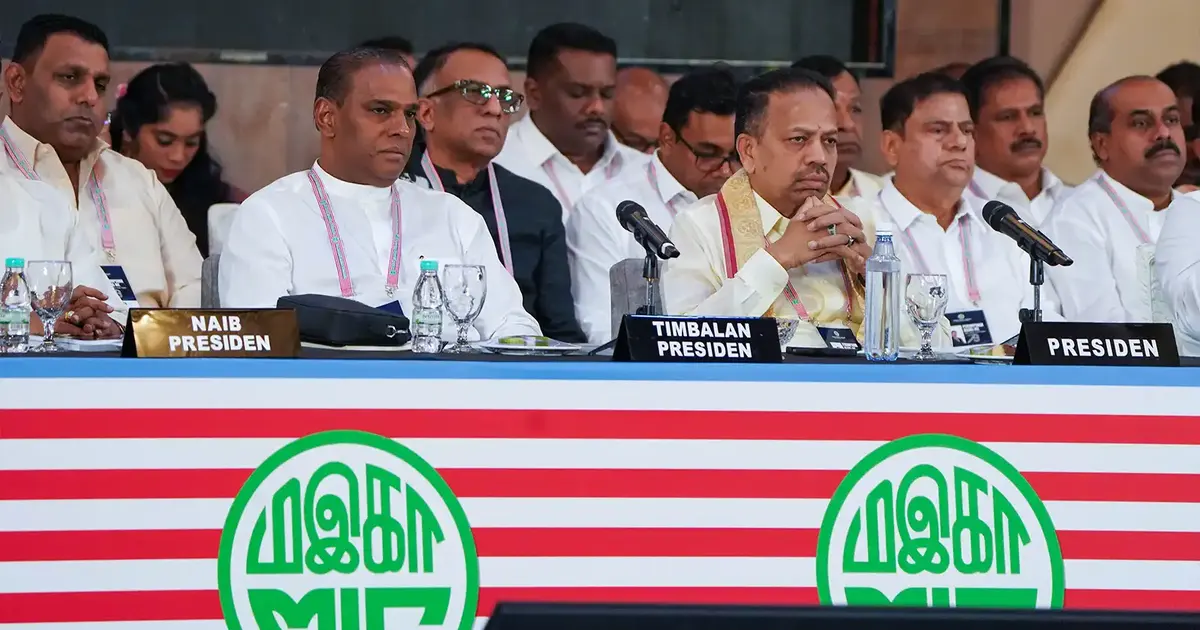
The Malaysian Indian Congress is preparing to contest two state constituencies in the forthcoming Johor election while simultaneously relinquishing another seat to its coalition partner Umno under a carefully negotiated seat-sharing arrangement that underscores the evolving dynamics within Barisan Nasional ahead of the state polls.
The Indian-based component party, which has maintained a presence in the Johor state assembly for decades, is expected to field candidates across a combined portfolio of four seats in the upcoming contest. This strategic allocation reflects ongoing negotiations within the ruling coalition to maximise its electoral footprint whilst respecting historical territorial interests and demographic considerations that have long defined BN's internal seat distribution formula.
Bukit Batu emerges as a particularly significant battleground in MIC's electoral calculations for the state. The constituency, which carries considerable symbolic weight within the party's political strategy, represents one of the party's traditional strongholds where it maintains substantive grassroots organisation and community connections. MIC's determination to contest this seat underscores its commitment to retaining influence in constituencies where Indian Malaysian voters constitute a meaningful proportion of the electorate.
The seat exchange with Umno represents more than a mere logistical accommodation between coalition partners. Such arrangements typically emerge from detailed analysis of electoral viability, incumbency advantages, and the relative organisational capacity of each party to mobilise support in specific constituencies. By voluntarily ceding one seat to Umno, MIC is employing a tactical approach designed to concentrate its limited resources and candidate pool where the party calculates it can secure the strongest performance.
For Malaysian readers, this arrangement demonstrates how Barisan Nasional continues to function as a coalition that balances the competing interests of multiple component parties with divergent ethnic and organisational bases. The modalities of seat allocation remain a perennial challenge for the ruling coalition, particularly given shifting demographic patterns, migration trends, and the volatile nature of multi-ethnic electoral politics in Malaysia. Johor, as the second-most populous state and economically significant region, serves as a crucial testing ground for whether these internal arrangements can translate into coherent electoral messaging and retained parliamentary representation.
MIC's participation in Johor has historically reflected the broader positioning of the party within Malaysian politics. As the smallest major BN component by membership and parliamentary representation, MIC has progressively focused on constituencies where Indian Malaysian concentrations make electoral success genuinely achievable. The party's strategic recalibration in Johor aligns with this realistic assessment of its electoral prospects in an increasingly competitive political environment.
The upcoming Johor election will test whether the Barisan Nasional coalition's internal mechanisms remain sufficient to fend off challenges from Pakatan Harapan and potentially splinter-faction candidates. MIC's participation is integral to BN's multi-ethnic credentials, particularly in constituencies where mobilising Indian Malaysian voters remains essential for coalition victory. The party's limited but focused campaign in four seats allows it to concentrate ground-level campaign infrastructure and messaging on constituencies where it possesses both historical presence and demographic advantages.
Umno's willingness to exchange seats with MIC also merits attention. This accommodation suggests ongoing recognition within the dominant Malay-Muslim component that maintaining coalition cohesion requires accommodating the smaller component parties' electoral aspirations, even if such arrangement might theoretically reduce Umno's own seat count. Whether this consensual approach will survive the intensities of actual campaigning and post-election power distribution negotiations remains an open question that observers across Southeast Asia continue to monitor closely.
For the broader Southeast Asian region, Malaysia's coalition politics offer instructive lessons in how multi-ethnic democracies manage internal political competition. Unlike some neighbouring countries that have moved towards more centralised political systems, Malaysia's continued reliance on coalition negotiation and internal party accommodation demonstrates both the resilience and the strains inherent in pluralist governance structures that must reconcile competing ethnic, religious, and class interests within democratic frameworks.
MIC's strategic positioning in Johor also reflects longer-term questions about minority political representation in Malaysia. As Indian Malaysian voters become an increasingly dispersed demographic, the party faces persistent pressure to demonstrate relevance beyond ceremonial coalition participation. By contesting four seats and defending two in particular, MIC is attempting to maintain meaningful legislative presence and thereby justify its continued role within the BN power structure to its diminishing core constituency.
The Johor election will commence an important cycle of state-level contests that will shape peninsular Malaysian politics through the remainder of this parliamentary term. MIC's performance in these four constituencies will carry implications extending beyond seat counts to encompass fundamental questions about the viability of Malaysia's traditional coalition framework and whether component parties can continue adapting their roles within structurally changing electoral contexts.