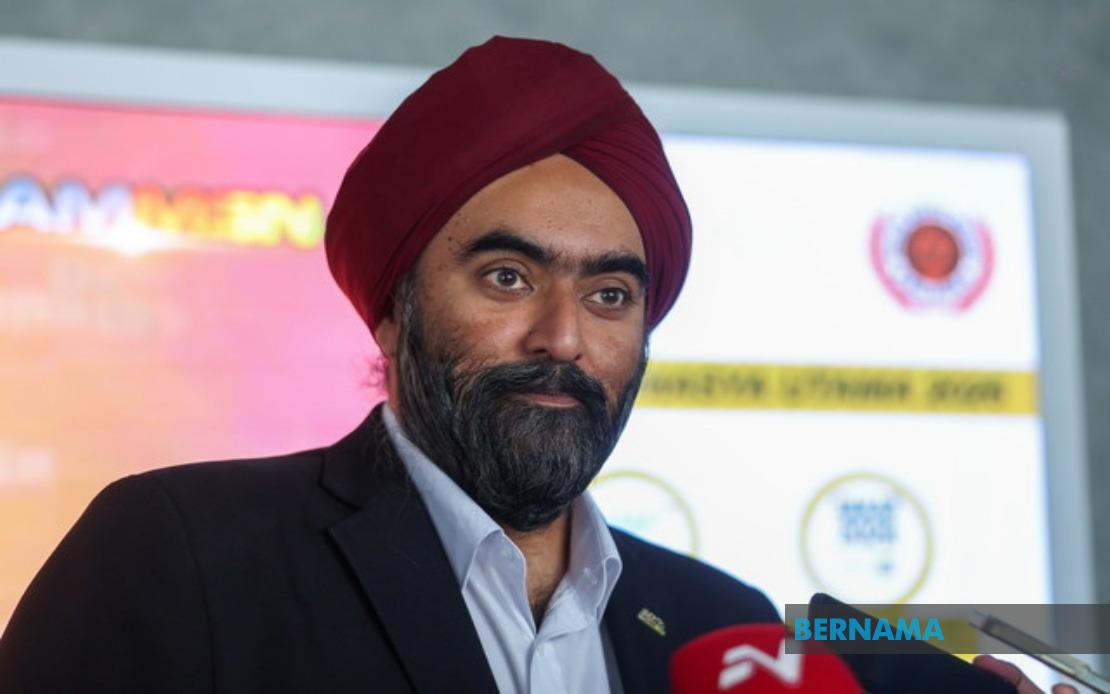
The Malaysian National Cycling Federation has signalled its determination to resolve a brewing partnership crisis with Yayasan Sime Darby by calling for urgent talks between senior officials of both organisations. The standoff centres on the postponement of the YSD Track Cycling and BMX Series 2026, a key talent development initiative that has been shelved pending the resolution of unspecified technical issues. MNCF president Datuk Amarjit Singh Gill made the appeal during the launch of the Le Tour de Langkawi 2026 route announcement in Putrajaya on June 25, signalling that the federation views the current impasse as a manageable problem rather than an insurmountable divide.
The cancellation of the cycling series represents a setback for Malaysia's track and BMX development programmes at a time when the nation is seeking to nurture emerging talent in disciplines that have historically produced medal contenders at regional and international championships. Yayasan Sime Darby, the philanthropic arm of the Sime Darby conglomerate, has been a longstanding sponsor of Malaysian cycling initiatives, making the breakdown in this partnership particularly significant for the sport's governance structure. The postponement signals underlying tensions that have not been publicly detailed but appear to centre on operational or administrative disagreements rather than fundamental strategic misalignment.
Datuk Amarjit's characterisation of the dispute as non-complex suggests that the federation perceives the obstacles as procedural rather than philosophical. He emphasised repeatedly the importance of what he termed "mutual respect as equal strategic partners," indicating that the MNCF may feel sidelined or that its authority over technical cycling matters has been questioned. This framing is significant because it reveals how disputes in Malaysian sports governance often hinge on institutional pride and recognition of organisational roles rather than purely financial or competitive concerns. The federation's openness to immediate dialogue at the executive level demonstrates a willingness to prioritise the continuation of youth cycling development over any territorial disputes.
The timing of this dispute carries particular resonance in the Malaysian sports calendar. Coming as cycling prepares to showcase its biggest annual event through Le Tour de Langkawi, the postponement of the YSD series threatens to undermine momentum in a sport that has achieved considerable success in recent years. The international profile of LTdL as the region's premier cycling event makes the domestic partnership crisis all the more awkward, potentially drawing unwanted attention to internal governance challenges just as the sport seeks to market itself as professionally managed and internationally competitive.
Datuk Amarjit's measured response indicates a strategic approach aimed at defusing tensions through institutional respect rather than public confrontation. His decision not to elaborate on specific grievances suggests that the MNCF is preserving room for negotiation and avoiding the kind of tit-for-tat public statements that could harden positions on either side. This diplomatic posture reflects maturity in crisis management, recognising that cycling's broader development interests depend on maintaining constructive relationships with major corporate sponsors who have the resources and commitment to support athlete development programmes.
Yayasan Sime Darby's invocation of technical issues as the reason for postponement leaves considerable scope for interpretation. The federation's acceptance of this characterisation, while gently disputing its complexity, suggests that the disagreement may involve disagreements over scheduling, venue arrangements, regulatory compliance, or the allocation of administrative responsibilities between the organisations. Without more specific details, the precise nature of the technical problems remains opaque to public scrutiny, though the fact that both parties appear willing to negotiate suggests the issues are not fundamental ones of principle or approach.
The Malaysian cycling community faces potential collateral damage from this dispute, particularly young athletes who depend on series events like the YSD programme to build competitive experience and gain exposure to coaches and talent scouts. The postponement disrupts development pathways that have been carefully constructed over years, potentially losing a season of competitive progression for cyclists in their formative years. This human cost of administrative disputes underscores why Datuk Amarjit's emphasis on resuming the programme "for the future of national cycling" carries genuine weight beyond diplomatic rhetoric.
Regionally, Malaysia's cycling governance structure remains under scrutiny as Southeast Asian nations increasingly professionalise their sports administration. The resolution of this dispute will be watched by other cycling federations in the region, particularly those also navigating complex partnerships with corporate sponsors and state institutions. How the MNCF and Yayasan Sime Darby emerge from this crisis may set precedents for how similar organisations manage inevitable disagreements in an era where sponsorship often comes with attached expectations about programme management and decision-making authority.
The pathway forward outlined by Datuk Amarjit emphasises pragmatism and mutual accommodation. By characterising the issues as resolvable through good faith dialogue among leadership figures rather than through formal mediation or escalation, he has created space for both organisations to maintain face while finding compromises. The explicit recognition of Yayasan Sime Darby's valuable contribution to Malaysian cycling development demonstrates the federation's interest in preserving the partnership beyond the immediate crisis, suggesting that temporary postponement need not translate into permanent rupture.
Success in resolving this dispute will likely depend on both organisations demonstrating flexibility regarding the operational and technical concerns that triggered the postponement. Whether these involve modifications to event scheduling, clarifications of decision-making authority, adjustments to administrative processes, or simply mutual reaffirmation of commitment to shared objectives remains to be seen. What seems clear is that the federation's leadership views the postponement as a temporary disruption rather than a terminal crisis, provided that senior officials from both sides can engage in substantive conversation aimed at restoration rather than recrimination.

