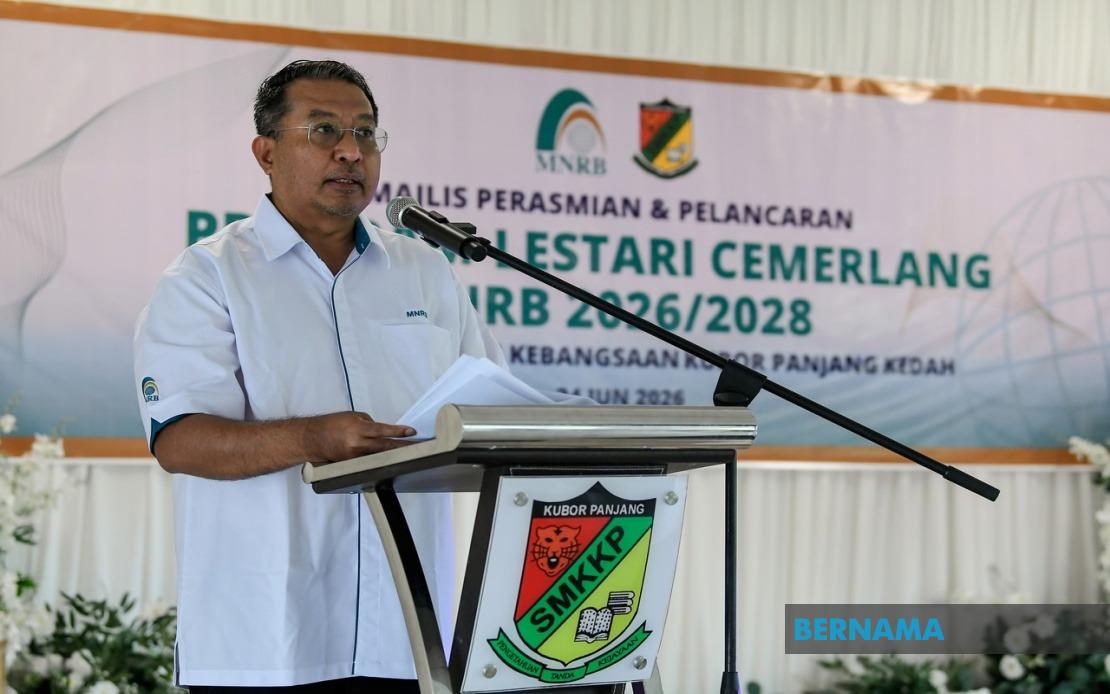
MNRB Holdings Berhad, an investment holding company, is deepening its commitment to Malaysian education through a substantial investment of nearly RM600,000 directed at six schools across the country. The initiative, unveiled at Sekolah Menengah Kebangsaan Kubor Panjang in Pendang, Kedah, represents the latest milestone in the company's long-standing effort to uplift educational standards and create pathways for student success beyond the classroom.
The Lestari Cemerlang Programme, which MNRB first introduced in 2011, has evolved into a comprehensive corporate social responsibility initiative that extends well beyond traditional school sponsorship. According to Datuk Rudy Rodzila Che Lamin, interim president and group chief executive officer of MNRB, the programme operates on a holistic philosophy that recognises both academic achievement and character development as essential components of student excellence. This dual focus has proven particularly relevant in Malaysia's education landscape, where debates around student outcomes increasingly emphasise soft skills and moral foundations alongside examination results.
The six schools participating in the current phase span multiple states—Perak, Pahang, Negeri Sembilan, Melaka, Selangor, and now Kedah—demonstrating MNRB's deliberate strategy to support education in diverse regions rather than concentrating resources in urban centres. This geographical spread carries particular significance for rural and semi-urban communities, where educational infrastructure often lags behind better-resourced metropolitan areas. By targeting schools in these locations, MNRB addresses a persistent disparity in Malaysia's education system and sends a signal that corporate investment need not follow the path of least resistance toward wealthier constituencies.
The practical interventions implemented under the programme reveal a sophisticated understanding of school challenges. Beyond simple financial transfers, MNRB has funded targeted academic support including supplementary classes for Form Five students—a critical juncture in Malaysian secondary education where national examinations determine tertiary pathways. Motivational camps and structured student development programmes complement this academic focus, recognising that sustained academic improvement requires psychological resilience and clear goal-setting. The company has also invested in upgrading learning facilities and funding digital infrastructure, including the installation of MNRB Smart e-Learning Rooms equipped with interactive television and internet connectivity.
These technological enhancements arrive at a particularly opportune moment for Malaysian schools. The post-pandemic education landscape has underscored the importance of digital literacy and hybrid learning capabilities. Schools in less affluent areas have struggled to modernise their technological offerings, creating an unequal starting point for students preparing for a workforce increasingly dependent on digital competency. MNRB's provision of smart learning environments helps narrow this gap and equips students with experience using contemporary educational technology that mirrors tools they will encounter in higher education and employment.
The programme's support for school greening initiatives and sports facilities also merits attention. These investments in cocurricular infrastructure reflect recognition that comprehensive student development encompasses physical health, environmental awareness, and athletic participation. For schools operating with constrained budgets, such enhancements might otherwise remain aspirational rather than achievable, making them disproportionately valuable to student experience and opportunity.
Complementing the Lestari Cemerlang Programme is MNRB's Tabung Biasiswa initiative, which targets outstanding students from adopted schools pursuing higher education in business-aligned fields including insurance, takaful, and finance. This scholarship mechanism extends support through diploma, bachelor's, and master's degree levels, creating sustained pathways rather than one-time financial assistance. The track record is notable: fourteen students from previous adopted schools have received sponsorship, with eight subsequently recruited by MNRB upon graduation. This conversion of scholarship recipients into employees demonstrates tangible return on the company's educational investment and creates a virtuous cycle where beneficiaries eventually contribute to the corporate sector.
For SMK Kubor Panjang, which became the sixth school under the programme following its formal launch in the state, the designation brings five immediate scholarship offers to top-performing students. This cohort represents the intellectual capital that Malaysia requires to remain competitive regionally and globally. The availability of merit-based scholarships in a school likely to serve predominantly middle and lower-income families potentially unlocks talent that might otherwise remain underdeveloped due to financial constraints.
MNRB's sustained engagement with school improvement since 2011 distinguishes this initiative from episodic corporate charitable events. A thirteen-year commitment suggests institutional embedding rather than marketing exercise, though the two need not be mutually exclusive. The presence of Kedah State Education Department representatives at the launch indicates government-corporate alignment on educational priorities, an encouraging sign that corporate and public sector actors can collaborate effectively on shared objectives.
The programme's emphasis on rural areas reflects a pragmatic assessment of where educational disparities most severely constrain opportunity. While Malaysian cities benefit from competitive school markets and concentrated resources, rural schools often struggle with staff retention, facility maintenance, and student aspiration levels. MNRB's investment directly addresses these constraints by providing resources and programmes that rural schools might struggle to fund independently. This targeted approach acknowledges that educational equity requires not uniform treatment but differentiated support calibrated to actual need.
Looking beyond immediate beneficiaries, MNRB's Lestari Cemerlang Programme illustrates how Malaysia's corporate sector might amplify its educational contributions. The model combines financial investment with programmatic sophistication—supporting not just infrastructure but also academic methodology, student motivation, and pathways to employment. For other Malaysian companies contemplating expanded corporate social responsibility in education, this framework offers proven structures adaptable across sectors and geographies. The Malaysian business community's collective capacity to support school improvement remains substantially underutilised, making examples like MNRB's programme both commendable for their achievements and suggestive of what scaled-up corporate education engagement might accomplish.

