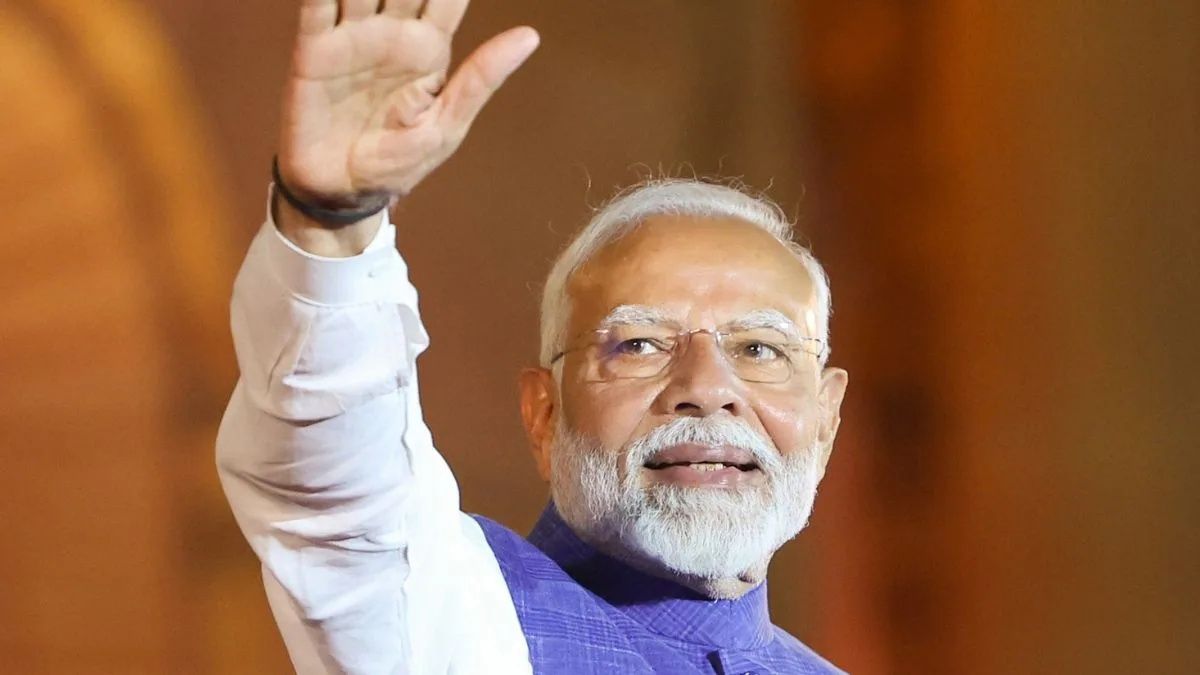
Prime Minister Narendra Modi will headline India's 12th International Day of Yoga (IDY) celebrations from Kolkata's historic Red Road on June 21, embodying his philosophy centred on fostering both physical vitality and mental clarity. The decision to hold the national event in West Bengal's capital represents a significant strategic choice, one that carries considerable political undertones alongside its wellness messaging. Early morning proceedings will feature the Common Yoga Protocol (CYP) with mass demonstrations involving thousands of participants, including senior government officials and ordinary citizens, underscoring the government's effort to position yoga as a unifying national practice across social strata.
The selection of Kolkata as the venue carries layered significance that extends beyond yoga promotion. The timing follows the Bharatiya Janata Party's decisive victory in the West Bengal Assembly elections, during which the saffron party successfully unseated the long-ruling Trinamool Congress. Senior BJP functionaries have publicly signalled that West Bengal will remain a focal point for the Modi government's developmental priorities and political consolidation in the coming years. By hosting the marquee yoga event in the state capital, New Delhi effectively demonstrates continued investment and attention to the region, complementing announcements regarding accelerated infrastructure spending and governance improvements.
Red Road itself carries symbolic weight as one of Kolkata's most vibrant public spaces, steeped in civil assembly traditions, military heritage, and contemporary ecological initiatives. Selecting this particular venue rather than alternative locations across the city reinforces the government's association with progressive, civic-minded development. The organisers anticipate record attendance at Sunday's event, reflecting both the scale of official mobilisation and genuine public interest in yoga-related activities that have grown substantially across urban India over the past decade.
The 12th IDY operates under the thematic umbrella of "Yoga for Healthy Ageing," reflecting global demographic shifts toward longer life expectancy. Union Minister of State for Ayush and Health Prataprao Jadhav articulated the conceptual framework underpinning this year's focus: as populations worldwide live longer, the challenge intensifies to ensure these extended years remain characterised by physical capability, mental vitality, and social engagement rather than deterioration and dependence. Yoga, positioned within India's traditional wellness frameworks, offers a holistic methodology that simultaneously strengthens bodily functions, elevates psychological equilibrium, and enhances existential satisfaction across age cohorts.
The scale of participation this year demonstrates unprecedented institutional engagement with the yoga movement. The Ministry of Ayush's Yoga Sangam Portal has registered approximately 600,000 organisations, ranging from schools and corporate offices to residential communities and civic groups. This organisational infrastructure enables simultaneous yoga sessions across thousands of locations nationwide, creating a networked movement that transcends geographic boundaries. Roughly 2,500 coordinated events are unfolding globally, with Indian diplomatic missions in 211 countries facilitating celebrations among overseas Indian communities and international partners, effectively positioning yoga as a soft power instrument that extends India's cultural influence internationally.
The Ministry of Culture has integrated India's artistic and heritage dimensions into the celebrations by organising yoga programmes at 100 iconic locations throughout the country. This initiative deliberately fuses wellness traditions with cultural preservation, encouraging participants to engage with India's historical sites whilst simultaneously practising ancient health methodologies. Such programming appeals to both domestic tourism and international visitor segments seeking authentic experiential encounters with Indian civilisation beyond conventional tourist circuits.
For Malaysia and Southeast Asia, India's coordinated yoga promotion carries indirect but meaningful implications. The region's growing middle class increasingly adopts wellness practices influenced by Indian traditions, and India's official elevation of yoga through state-sponsored celebrations legitimises and popularises these practices across markets. Malaysian readers should recognise that yoga's positioning within India's developmental and diplomatic strategy reflects how traditional knowledge systems are being mobilised for contemporary public health objectives, a model potentially relevant to Southeast Asian governments considering traditional medicine integration into national health frameworks.
Preliminary events in Kolkata have already generated community enthusiasm, with the "Daud Se Dhyan 2026 – From Movement to Stillness" initiative organised under the government's Swachhata Se Swagat (Cleanliness to Welcome) Programme demonstrating successful grassroots participation. This preceding campaign synthesised health promotion, environmental consciousness, and civic responsibility, establishing psychological and logistical groundwork for the main IDY event. The West Bengal government has mandatorised IDY participation for all government employees, who must attend celebrations at their workplaces, residential areas, or designated venues including Red Road and Milan Mela grounds, ensuring bureaucratic machinery reinforces the wellness agenda.
The emphasis on healthy ageing carries particular relevance for the region given Southeast Asia's rapidly ageing demographics. Countries including Malaysia face mounting healthcare expenditures as populations age, creating incentives to explore cost-effective wellness interventions. India's yoga framework offers a scalable, culturally accessible approach requiring minimal infrastructure investment whilst delivering documented benefits for musculoskeletal health, cardiovascular function, and mental resilience among older populations. Southeast Asian policymakers observing India's systematic promotion might consider how traditional practices from their own civilisational heritage could be similarly harnessed for public health outcomes.
The International Day of Yoga represents a distinctive intersection of wellness philosophy, diplomatic soft power, and domestic political messaging. Modi's personal leadership of the Kolkata celebrations, combined with the massive institutional mobilisation across India and abroad, signals governmental commitment to positioning yoga as a cornerstone of India's contemporary identity and development strategy. The event transcends mere ceremonial significance, functioning instead as a coordinated exercise in nation-building that legitimises traditional knowledge systems within modern governance frameworks whilst simultaneously projecting India's cultural authority across international spheres.
For broader Asian audiences, this year's IDY celebration demonstrates how governments increasingly instrumentalise wellness and heritage for multiple simultaneous objectives: enhancing public health outcomes, consolidating political legitimacy, strengthening cultural diplomacy, and advancing developmental narratives. Kolkata's designation as the celebration venue exemplifies this multivalent approach, whereby a single major event simultaneously addresses health promotion, regional political priorities, and international positioning. As Southeast Asian nations navigate comparable challenges balancing tradition with modernisation, and wellness with development, the mechanisms deployed through India's yoga initiative offer instructive examples of integrated governance strategy.

