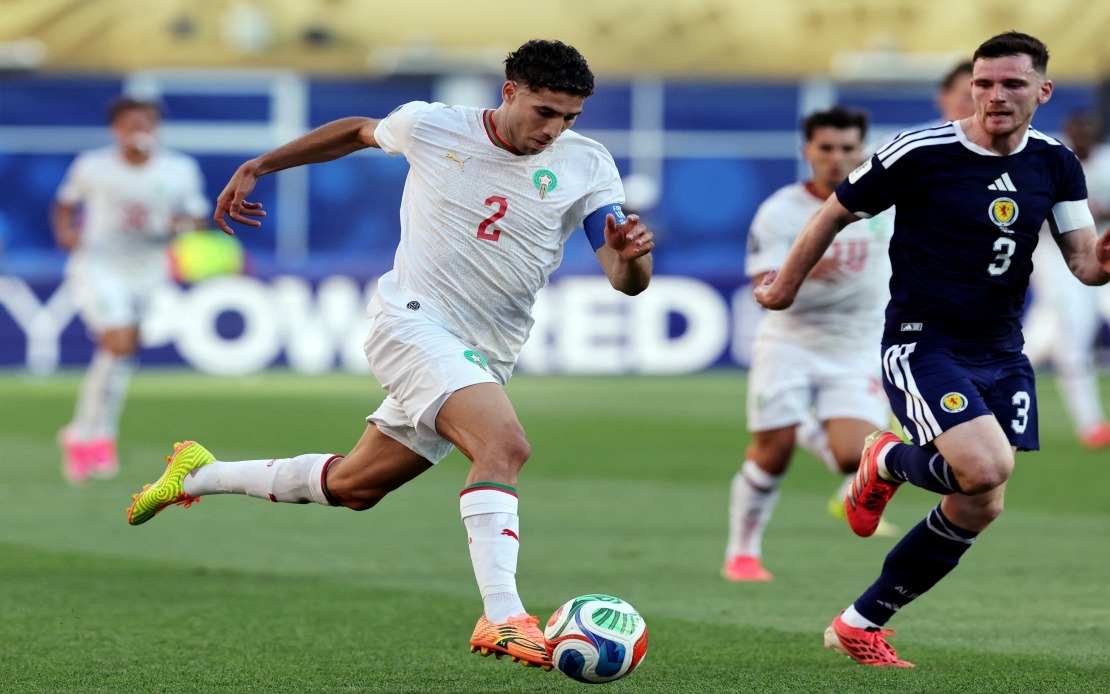
Morocco's head coach Mohamed Ouahbi has thrown his full backing behind captain Achraf Hakimi in the wake of hostile crowd reactions during the team's World Cup triumph over Scotland in Foxborough, Massachusetts. The Paris Saint-Germain defender was subjected to sustained booing and jeering throughout the match on Friday, with supporters voicing their disapproval both when the team lineup was announced and repeatedly each time the 25-year-old touched the ball during the 1-0 victory.
The timing of the crowd's negative response was particularly pointed, occurring mere hours after a French court issued a significant legal decision regarding the player. A Versailles appeal court confirmed on Friday that Hakimi must stand trial on rape charges involving allegations dating back to 2023. The case centres on claims made by a 24-year-old woman regarding an alleged incident at his residence.
Despite the circumstances, Ouahbi demonstrated clear solidarity with his player, choosing to focus on sporting performance rather than engage with the legal proceedings. "We didn't talk about it and we don't have to. We are behind him," the coach stated firmly when addressing the situation. His stance reflected a deliberate attempt to insulate the team from external distractions and maintain unity during the tournament.
Ouahbi's public endorsement carried additional weight given Hakimi's status as team captain. The coach expressed confidence in the defender's abilities and character, predicting strong performances ahead. "Hopefully he will show at this World Cup that he is the best right back in the world," Ouahbi remarked, effectively challenging observers to judge Hakimi primarily on his footballing credentials rather than off-field controversies.
The broader Morocco squad maintained disciplined silence on the matter, with teammates declining to offer commentary on the legal case. This collective restraint appeared coordinated and strategic, aimed at preventing the narrative from derailing the team's World Cup campaign. Ouahbi reinforced this approach by emphasizing the psychological state of his player and the overall team environment.
"Hakimi was very strong. We are very relaxed, he is also relaxed and playing well," Ouahbi observed, suggesting that neither the player nor the coaching staff were allowing the external pressures to affect performance. This assessment carries significance for understanding how elite athletes compartmentalize personal challenges during major competitions. The fact that Hakimi delivered a composed performance despite the hostile reception indicates professional maturity and resilience under challenging circumstances.
Hakimi himself has consistently maintained his innocence regarding the allegations. Following the court's announcement, he took to social media to express that legal proceedings would finally allow him to address the accusations directly. "At last, I will be able to speak," he posted, signalling his intention to mount a defense during trial proceedings. This statement suggests he views the upcoming legal process as an opportunity to clear his name publicly.
The case had previously gone through an earlier judicial phase, with an investigating judge making a determination that ultimately led to the current trial decision. Hakimi reportedly appealed against that initial ruling, a step that evidently proved unsuccessful given the Versailles court's confirmation that the case will proceed to trial. The legal trajectory indicates this matter will persist throughout the tournament period and potentially beyond, creating an ongoing backdrop to his footballing activities.
For Malaysian and Southeast Asian football observers, the incident highlights the complex intersection of professional athletics and legal accountability in the modern era. The incident demonstrates how major sports events can become entangled with serious criminal allegations, forcing teams and governing bodies to navigate unprecedented situations. The way Morocco's federation and coaching staff have chosen to respond—by emphasizing team solidarity and sporting focus—may establish a precedent for how similar situations are managed in international football.
The public's mixed reaction also underscores evolving attitudes toward allegations in sports. The Foxborough crowd's vocal disapproval reflected societal expectations that athletes face consequences for alleged misconduct, even at the highest levels of competition. This tension between supporting teammates and acknowledging serious allegations represents an ongoing challenge for contemporary sports organizations navigating social responsibility.
Hakimi's continued selection and participation in matches despite the legal situation reflects Morocco's institutional commitment to supporting him until a court determines his culpability. The coaching staff's explicit backing suggests the national federation views premature judgment or suspension as inappropriate prior to trial. This approach contrasts with some other sporting contexts where organizations have moved swiftly to distance themselves from players facing accusations.
As the World Cup progresses, the situation surrounding Hakimi will likely remain in focus, particularly given his prominence in the team's defensive structure and his role as captain. The manner in which the player and team management handle continued scrutiny may influence broader discussions about how international football addresses legal controversies affecting its prominent figures.

