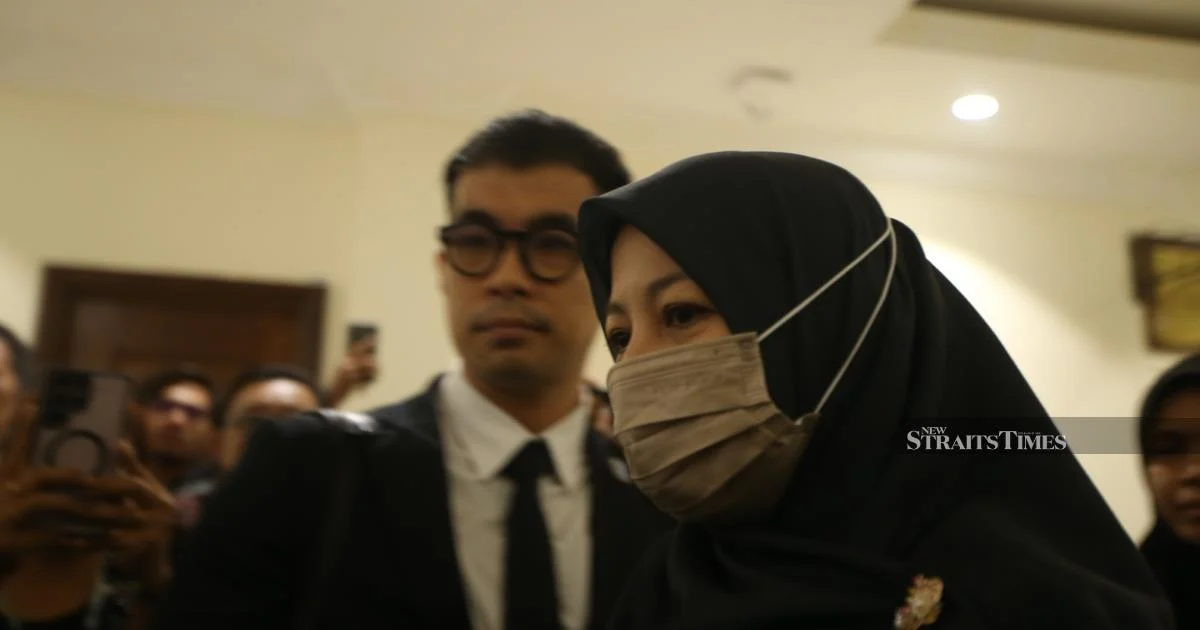
The coroner's court in Kota Kinabalu has been told of a mother's profound remorse over the educational decision that preceded her daughter's death. During testimony, Noraidah Lamat disclosed to the court that she regretted having sent her daughter, the late Zara Qairinah Mahathir, to SMKA Tun Datu Mustapha. The admission emerged as part of ongoing inquiries into the circumstances surrounding the student's death, with the court hearing evidence designed to establish what transpired leading up to the tragedy.
The appearance before the coroner represents a pivotal moment in understanding the broader context of the case, as family members provide insight into decisions made before the fatal incident. Such testimonies are crucial in coroner's investigations, as they help establish the sequence of events and any factors that may have contributed to the outcome. The court's examination of parental choice and institutional context reflects the comprehensive nature of inquiries into student deaths, which must consider environmental and familial dimensions alongside immediate circumstances.
SMAK Tun Datu Mustapha, located in Sabah, is a residential Islamic secondary school that serves students from across the state. The institution has historically attracted families seeking religious education combined with academic instruction. The mother's testimony suggests that, in hindsight, the decision to enroll at this particular boarding institution may have been one she would reverse, though the exact circumstances contributing to her regret remain central to the court's examination.
Investigations of this nature necessarily involve delicate questioning of family members during what are invariably traumatic periods. Parents and relatives must often recount decisions and events that, with the benefit of hindsight, appear to have led toward tragedy. The coroner's role is to establish facts without assigning blame, though family members naturally examine their own choices with anguished scrutiny in the aftermath of loss.
For Malaysian families considering residential school options, particularly Islamic secondary schools, such cases inevitably raise questions about pastoral care, student welfare monitoring, and the adequacy of support systems within boarding institutions. While the vast majority of students complete their education without incident, even isolated tragedies prompt broader reflection on institutional accountability and the extent to which school selection itself reflects available safeguards and oversight mechanisms.
The proceedings in Kota Kinabalu also highlight the geographic dimension of educational choice in Malaysia. Sabah's dispersed population means many families opt for residential institutions to access quality secondary education, creating particular obligations for schools to ensure comprehensive duty of care. The institutional structure of boarding schools—where the school assumes responsibilities typically held by parents—creates a distinct legal and moral framework that coroner's courts must carefully examine.
Testimony from mothers in such proceedings serves an evidentiary purpose while also capturing the emotional reality of parental loss. The court must balance its factual mandate with recognition that those giving evidence are often experiencing profound grief alongside difficult memories. The mother's expressed regret, while poignant, becomes part of the official record that may inform future safety protocols or policy recommendations.
Coroner's inquiries into student deaths have become increasingly important in Malaysian civil proceedings, particularly as they generate findings and recommendations that can be adopted by other institutions. When courts hear evidence suggesting systemic vulnerabilities or gaps in duty of care, such information often influences how schools nationwide approach student welfare and risk management. The specificity of testimony about enrollment decisions can illuminate whether families felt they had adequate information about institutional safeguards when making their choices.
The case underscores the reality that educational decisions, made with careful deliberation and often within constrained options, can acquire devastating significance in retrospect. Parents selecting boarding schools must weigh academic reputation, religious curriculum, cost, and perceived safety measures, yet cannot predict individual incidents. The mother's regret, as expressed in court, reflects this painful gap between parental intent and tragic outcome.
As the coroner's court continues its examination, the testimony received will contribute to a fuller picture of circumstances that preceded Zara Qairinah Mahathir's death. Such inquiries serve the public interest by ensuring transparent examination of institutional contexts where students spend crucial developmental years. For Sabah's educational community and the broader Malaysian schooling system, the proceedings may yield lessons about student safeguarding and institutional accountability that influence practice well beyond this individual case.

