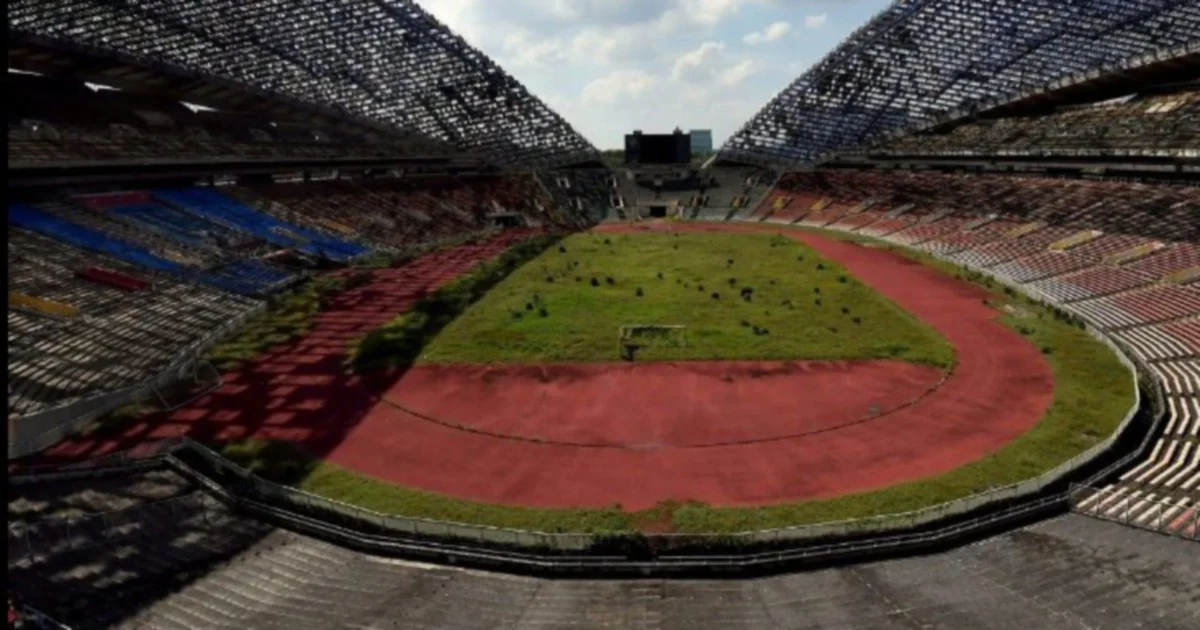
Malaysian Resources Corporation Bhd (MRCB) has obtained a consent judgment from Shah Alam High Court against activist Abdul Razak Ismail stemming from online publications regarding the demolition and redevelopment of the Shah Alam Stadium. The developer contended that the activist's digital posts had inflicted economic harm to its interests in relation to the high-profile stadium project.
The case underscores the increasingly contentious intersection between corporate interests and public commentary in Malaysia's digital age. Large development projects, particularly those involving heritage structures or significant public spaces, frequently attract scrutiny from civil society actors and concerned citizens who raise concerns about urban planning, heritage preservation, and community impact. The Shah Alam Stadium project has generated considerable public debate, with various stakeholders expressing differing perspectives on its merits and implications.
Activists and commentators in Malaysia have faced mounting legal challenges when their online statements critique major corporate ventures or government-linked projects. While developers have legitimate interests in protecting their commercial reputation and business operations, such legal actions also raise questions about the boundaries of free expression and accountability in an increasingly digital public sphere. The consent judgment represents a legal resolution between the parties, though the broader tensions between corporate protection and public discourse remain largely unresolved in Malaysian jurisprudence.
The Shah Alam Stadium itself holds historical significance for Selangor, serving as a major sporting and events venue for decades. Its redevelopment represents a substantial investment and reflects evolving priorities in urban renewal and infrastructure modernization across Malaysian cities. However, such transformations inevitably generate competing viewpoints regarding heritage conservation, financial stewardship, and the public interest in major municipal projects. Online platforms have empowered individual voices to amplify concerns that might previously have circulated only within limited networks, fundamentally altering the dynamics of public debate around major developments.
MRCB's pursuit of legal remedies against online criticism reflects a broader trend among Malaysian corporations and developers seeking to manage their digital reputation and constrain negative publicity. Courts have increasingly become venues where commercial entities address perceived reputational harm resulting from social media posts, blog entries, and digital commentary. These legal strategies operate alongside traditional public relations approaches, creating a multi-layered environment where corporations actively shape the narrative surrounding their projects and activities.
The implications for Malaysian civil society and activism merit careful consideration. While defamation and economic harm are legitimate legal concerns that courts must address, the cumulative effect of such litigation can create a chilling effect on public participation and critical commentary. Activists and ordinary citizens contemplating online engagement with controversial development projects face heightened legal and financial risks, potentially discouraging legitimate expression and democratic participation. This dynamic becomes particularly significant in Malaysia, where corporate influence over major projects often intersects with government interests.
The consent judgment indicates that both parties have reached a mutually acceptable resolution through judicial oversight rather than proceeding to full trial. Such arrangements allow corporations to achieve legal vindication and establish a formal court record acknowledging harm, while potentially requiring modifications to online content or future statements. For activists and commentators, consent orders represent outcomes where they may accept certain constraints or acknowledgments to avoid protracted litigation and associated costs. The specific terms of MRCB's consent order remain central to understanding what restrictions or modifications may result from this judgment.
Southeast Asian jurisdictions increasingly grapple with analogous questions about balancing commercial interests against freedom of expression in digital environments. Malaysian courts, like their regional counterparts, must navigate these tensions while developing precedents that protect legitimate business interests without undermining democratic values or public accountability. The Shah Alam Stadium case contributes to this evolving jurisprudence, establishing boundaries around online criticism of major development projects and corporate activities.
The stadium redevelopment project itself warrants continued scrutiny regarding its financial structure, environmental impact, and alignment with broader urban planning objectives for Selangor. Public debate and critical examination of such initiatives serve important functions in ensuring accountability and highlighting alternative perspectives on resource allocation and community priorities. The legal challenge against Abdul Razak Ismail, while ostensibly concerning economic damage from online posts, also reflects underlying tensions about who controls narratives around major public projects and infrastructure transformation in Malaysia's cities.
Moving forward, this consent judgment may influence how other activists, journalists, and commentators approach online discussion of controversial development projects. The legal precedent could encourage more cautious language among critics or, conversely, galvanize broader civil society engagement with development governance issues. Malaysian society continues evolving its approach to digital speech, corporate accountability, and public participation in major decision-making processes affecting urban landscapes and resource distribution. The balance struck between these competing interests will significantly shape the character of public discourse and democratic participation in Southeast Asia's largest economy.

