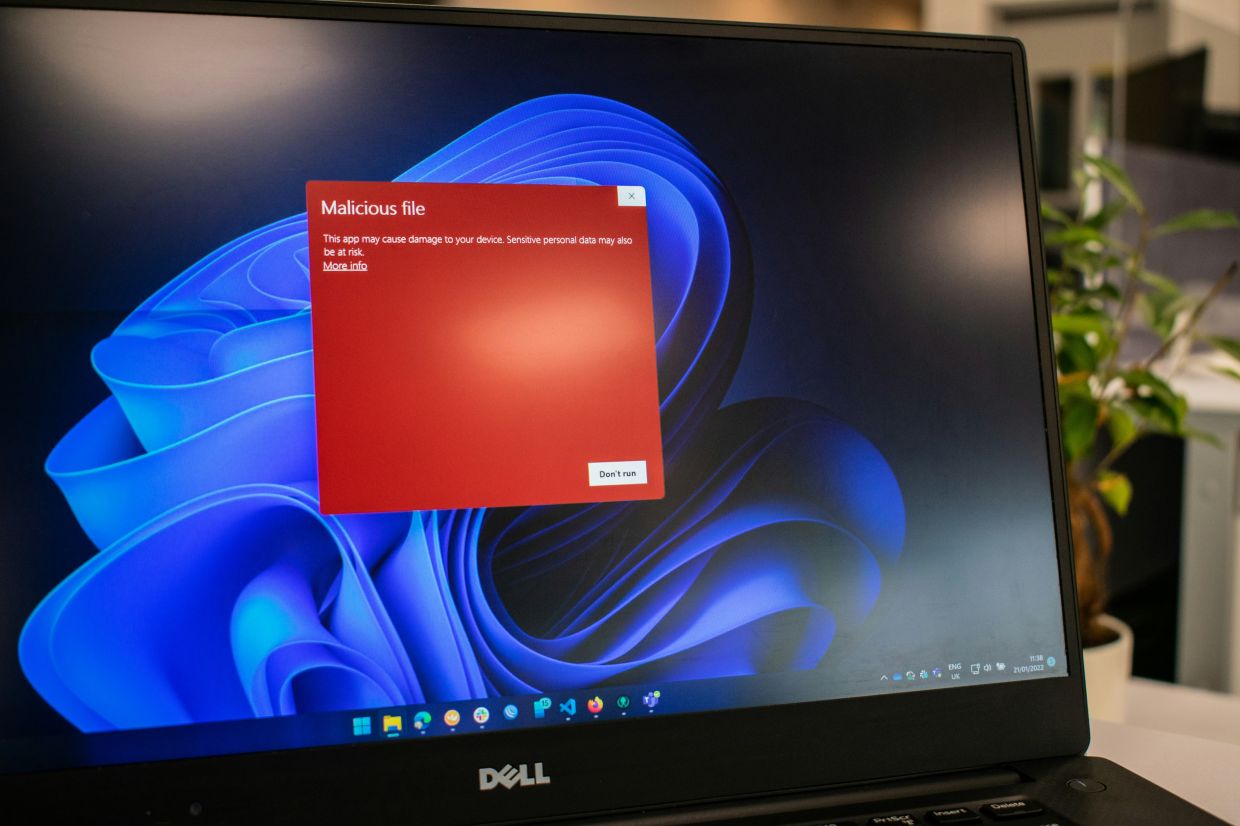
Malaysia's Cybersecurity Centre has raised the alarm over a sophisticated malware campaign leveraging WhatsApp Web and Desktop to compromise Windows computers across the region. The attack employs deceptive social engineering, with perpetrators masquerading as trusted contacts and sending messages containing harmful files designed to appear as routine financial or legal paperwork. This technique exploits the natural inclination of users to open documents related to debt acknowledgments, account statements, and billing inquiries, creating a potent vector for infection.
The attackers employ a clever naming strategy to maximize the likelihood of users engaging with the malicious content. Files are typically labelled with innocuous titles such as "Acknowledgment of Debt.vbs", "Sila semak bil anda.vbs", "December statement of account.vbs", and "Reconciliation.vbs". What makes this approach particularly dangerous is the mismatch between the filename presentation and the actual file type. Despite suggesting PDF or document formats through their names, these are Visual Basic Script files with .vbs extensions. When unsuspecting users execute these files, they trigger automatic script execution, immediately initiating the infection sequence without requiring any additional user interaction or system confirmation.
The malicious payload installed through these compromised scripts represents a serious threat to system security and personal financial safety. The attackers deploy a Remote Access Trojan, a particularly insidious form of malware that grants perpetrators the ability to assume control over the victim's computer remotely. Once activated, the RAT maintains persistent access to the system, surviving even after the user restarts their device. This persistence means attackers can continue harvesting sensitive information long after the initial infection, creating an extended window of vulnerability for the victim.
The sophisticated nature of this malware extends beyond mere remote control capabilities. The installed malicious components systematically disable security warnings and prompts that would normally alert users to suspicious activity. With these protective mechanisms neutralised, the malware operates silently in the background, capturing keystrokes and screen content without detection by conventional antivirus software. This silent operation is particularly alarming because victims may have no indication that their device has been compromised, potentially allowing attackers to observe and record banking credentials, personal identification numbers, and one-time passwords that users believe are securely entered on their devices.
MyCert's guidance emphasises the critical importance of vigilance when receiving unsolicited file attachments through messaging platforms. Users should refrain from opening or executing any files from unknown or suspicious sources, and should definitely not distribute such files to others, as this would only propagate the infection. For those who have already interacted with these files and harbour concerns about potential infection, the cybersecurity agency recommends treating the device as compromised and initiating comprehensive security remediation immediately.
A key piece of advice from MyCert involves resisting the urge to respond to the sender through any channel. Replying confirms to attackers that the phone number is active and monitored, potentially increasing the likelihood of follow-up attacks or the sale of the contact details to other malicious actors. Instead, users should report the suspicious message directly through WhatsApp's built-in reporting functionality and simultaneously lodge a formal complaint with MyCert through the dedicated Cyber999 email address at [email protected], including screenshots of the message, precise timestamps, and the sender's contact number.
For device owners who believe their systems may be infected, immediate disconnection from the internet is the priority action. This critical step cuts off the attacker's remote access capability, preventing further data exfiltration or malicious commands from being executed. Users operating corporate-issued devices face an additional responsibility to notify their organisation's information technology department without delay, as compromise of business systems could expose sensitive company data and create vulnerabilities across the entire network infrastructure.
The remediation process requires a methodical approach due to the sophisticated nature of the malware involved. Standard antivirus scanning rarely succeeds in detecting or eliminating the Remote Access Trojan that these scripts install, meaning that basic security scans provide false assurance and leave the system vulnerable to continued exploitation. Users should engage professional cybersecurity services with expertise in advanced malware removal and system forensics to thoroughly cleanse their devices and restore security integrity.
Password management becomes critical following any suspected compromise. Using a separate, uninfected device, users must change passwords for all accounts that were ever accessed through the compromised computer. This approach recognises that attackers likely captured login credentials during their time with remote access to the system. All sensitive information entered on the infected device—including passwords, banking PINs, security questions, and authentication codes—should be presumed exposed and treated with corresponding urgency in terms of account security updates and fraud monitoring.
The broader implications of this campaign extend beyond individual users to organisational cybersecurity posture across Malaysia and the region. The targeting of WhatsApp Web and Desktop platforms indicates that attackers are adapting to modern work patterns where employees access messaging services through web browsers and desktop applications rather than mobile phones. This geographical and demographic spread suggests the infection may have affected numerous victims already, potentially including small business owners, finance professionals, and government employees who regularly handle documentation related to financial and legal matters.
MyCert's warning underscores the evolving sophistication of cybercriminal operations in Southeast Asia, where social engineering continues to be a highly effective entry point for system compromise. The localisation of filenames in Malay language ("Sila semak bil anda" translates to "Please check your bill") indicates the attackers have developed region-specific variants tailored to Malaysian audiences, suggesting this is not a generic global campaign but a targeted operation with local knowledge and resources. Organisations and individuals across Malaysia should treat this alert as a timely reminder to strengthen security awareness training and implement endpoint protection strategies that can detect and prevent execution of suspicious scripts.

