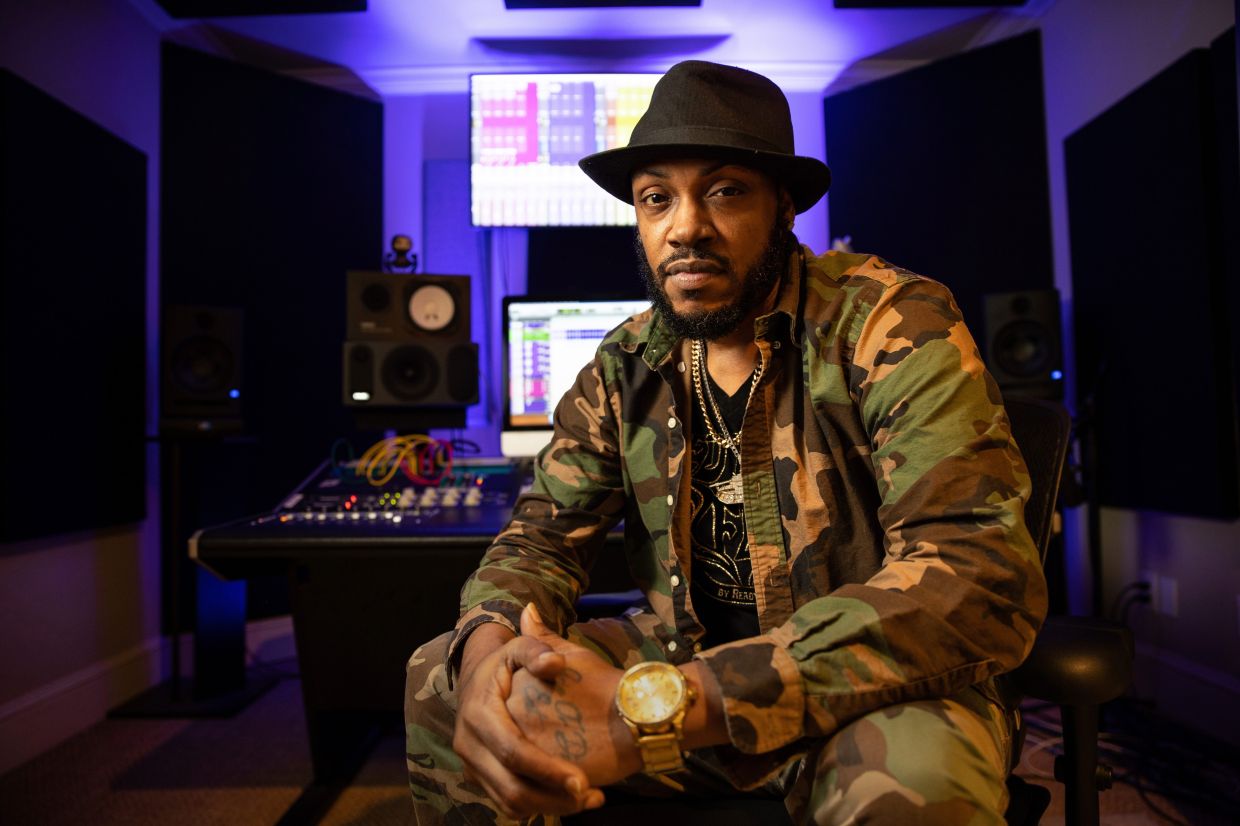
Grammy-nominated rapper Mystikal, born Michael Lawrence Tyler, faces two decades in prison following his guilty plea to third-degree rape in a Louisiana courtroom. The sentencing culminates a legal process that began with his 2022 arrest after allegedly attacking a woman at his residence in Prairieville, situated roughly 18 miles from Baton Rouge. The 20-year sentence falls below the maximum 25-year penalty available for the charge, stemming from a plea agreement that materially reduced the original allegations against him.
The circumstances surrounding the incident paint a disturbing picture of violence. According to court documents reviewed by local media outlets, the victim reported that Mystikal had subjected her to a sustained physical assault at his home, including punching, choking, and forcibly pulling out her braids before committing rape. The woman confronted the rapper directly in the courtroom during Tuesday's sentencing hearing, demanding that he receive the maximum available punishment for his actions. She detailed the severity of her trauma and the lasting impact of his violence, providing a stark counterpoint to the entertainment industry recognition that once defined his public image.
In a striking moment before the judge announced his sentence, Mystikal appeared to acknowledge the gravity of the victim's suffering. According to WBRZ, the rapper stated that if he had been subjected to the same treatment he inflicted upon his accuser, he himself would deserve the maximum sentence. Whether this statement reflected genuine remorse or calculated courtroom strategy remains unclear, but it underscored the brutality of the conduct at issue. The rapper did not submit a formal comment request through his legal representation following the sentencing.
The path to conviction involved significant legal maneuvering in recent months. Despite having agreed in March to plead guilty to third-degree rape, Mystikal mounted a last-minute effort to withdraw his guilty plea just days before sentencing. He argued to the court that he had not enjoyed adequate time to contemplate the profound consequences of his admission, as reported by the ABC-affiliated station WBRZ. The judge rejected this motion, allowing the plea agreement and subsequent sentencing to proceed as originally scheduled. The original charges included first-degree rape, which would have resulted in an automatic life sentence upon conviction, making his negotiated plea deal substantially more lenient from a sentencing perspective.
Mystikal's current predicament represents a dramatic fall from the commercial heights he achieved during the 1990s and 2000s. The Louisiana native rose to mainstream prominence during the latter part of the previous decade and secured multiple Grammy nominations during the early 2000s, establishing himself as a significant figure in hip-hop music. His career trajectory appeared promising at that juncture, though his public profile has been significantly damaged by repeated legal troubles spanning nearly two decades.
This conviction marks the second major sexual assault case to derail his career. In 2003, Mystikal faced separate charges of sexual battery in Louisiana, to which he ultimately pleaded guilty. That conviction resulted in a six-year prison sentence, during which time he was simultaneously nominated for Grammy Awards in two categories, including best rap album. The pattern of behaviour—spanning nearly twenty years from his earlier conviction to the current offence—suggests systematic problems with how he has treated women, raising serious questions about his character and judgment throughout his adult life.
During the two years since his 2022 arrest, Mystikal remained incarcerated at the Ascension Parish Jail without the possibility of bail. The prolonged detention before trial is relatively unusual in American criminal procedure, particularly for non-violent offenders, suggesting that the strength of the prosecution's case and the severity of the allegations warranted such restrictive pre-trial conditions. His confinement during the interim period means he has already served a substantial portion of his sentence before formal sentencing.
The case reverberates across the entertainment industry at a moment when questions about accountability for sexual violence have intensified. The contrast between Mystikal's Grammy recognitions in the early 2000s and his current imprisonment underscores how serious allegations of sexual assault can ultimately supersede commercial success and critical accolades. For Malaysian and Southeast Asian audiences familiar with global entertainment news, the case illustrates how Western legal systems eventually pursue consequences for sexual violence, even when perpetrators possess significant cultural prominence.
The victim's willingness to confront Mystikal directly in court and demand maximum punishment demonstrates a growing trend of survivors refusing to remain silent or accept lenient sentences. Her testimony, which formed a crucial element of the sentencing hearing, shifted focus from the defendant's career and achievements to the devastating impact of his actions on his accuser. This victim-centred approach to criminal justice has gradually reshaped how courts and the public understand sexual assault cases, moving away from narratives that center the perpetrator's status or accomplishments.