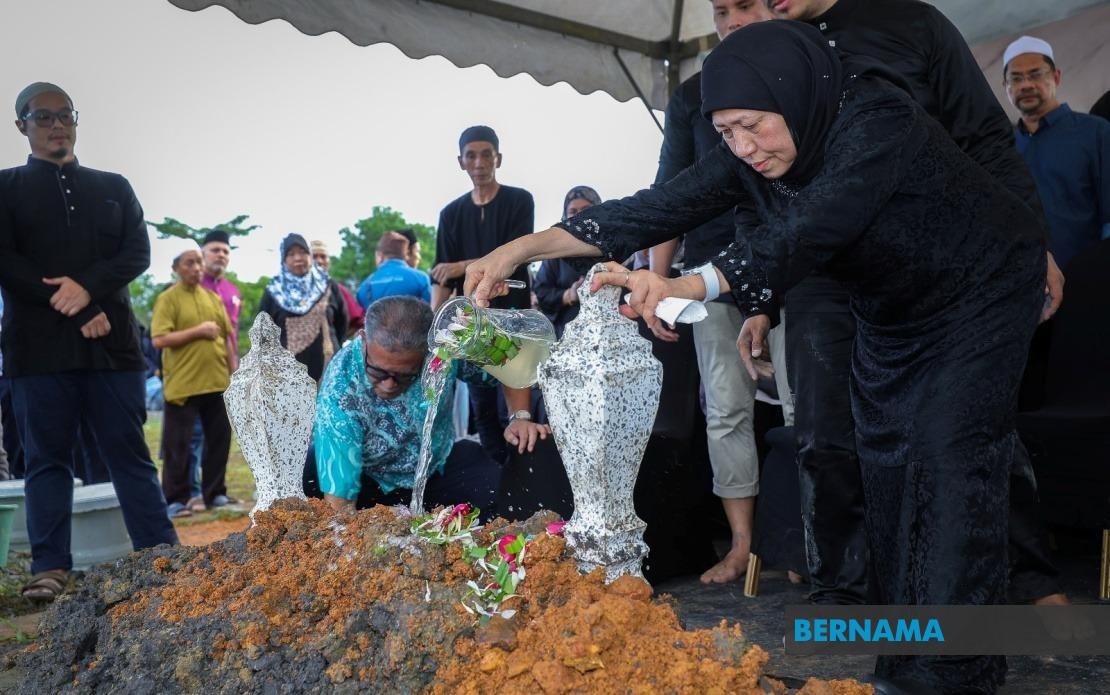
The funeral of Datuk Kamil Misuari, husband of Women, Family and Community Development Minister Datuk Seri Nancy Shukri, concluded on Wednesday evening with his burial at Samariang Muslim Cemetery in Kuching at 5.15 pm. The 65-year-old was laid to rest following his death at a medical facility in Kuala Lumpur, bringing to a close a marriage that had lasted nearly four decades since they wed in 1985.
Witness to the solemn proceedings were approximately 100 family members and close associates who gathered to pay their final tributes to the deceased. The attendance reflected the prominence of Nancy Shukri's position within the Malaysian federal administration, though the ceremony itself remained a private family occasion centred on traditional Islamic funeral rites.
The logistics of returning Kamil's remains to Sarawak unfolded throughout the day. His body was transported from Kuala Lumpur by air and touched down at Kuching International Airport at 12.50 pm, marking the beginning of the final journey for the Sarawakian resident. From the airport, the remains were conveyed directly to the family home, where relatives and companions gathered for the customary funeral prayers that precede Islamic burial practices.
Kamil is survived by his widow Nancy and their three children. The family's connection to both Sarawak and the federal capital meant his passing touched circles across Malaysia's major political and administrative hubs. Nancy Shukri's ministerial responsibilities ensure that the household maintains a significant public profile, though personal matters within the family typically remain handled with privacy and dignity.
The minister's office had confirmed Kamil's passing through a public statement released on Tuesday, providing advance notice to the media and allowing time for arrangements to be made for the funeral proceedings. The relatively swift transition from announcement to burial reflected both the family's adherence to Islamic funeral customs, which traditionally favour prompt interment, and their capacity to coordinate logistics across states.
For Malaysian citizens and regional observers, the passing of Kamil represents another moment when Malaysia's political leadership confronts personal loss while maintaining public duties. Nancy Shukri continues her portfolio responsibilities overseeing women's affairs, family welfare, and community development initiatives across the nation, roles that carry considerable responsibility during any period of personal difficulty.
The choice of Samariang Muslim Cemetery in Kuching as the final resting place underscores Kamil's Sarawak roots and the family's enduring connection to the state, despite Nancy's prominent role in federal government circles. This geographical anchor reflects how Malaysian political families often maintain ties to their home regions even as their professional obligations centre on Putrajaya and Kuala Lumpur.
The funeral arrangement demonstrated the coordination between federal and state authorities necessary when an immediate family member of a sitting minister passes away. Arranging repatriation, funeral services, and burial across two states requires administrative efficiency and sensitivity to both Islamic religious requirements and government protocol, all of which appears to have proceeded without complication.
For the broader perspective on ministerial families in Malaysia, such occasions remind the public that those holding high office remain subject to the same human experiences and vulnerabilities as other citizens. While Nancy Shukri's position commands significant responsibility and public attention, personal tragedies transcend professional status. The attendance of substantial family and friend numbers at the funeral suggests Kamil enjoyed respect and affection within his immediate community circles, independent of his wife's political standing.

