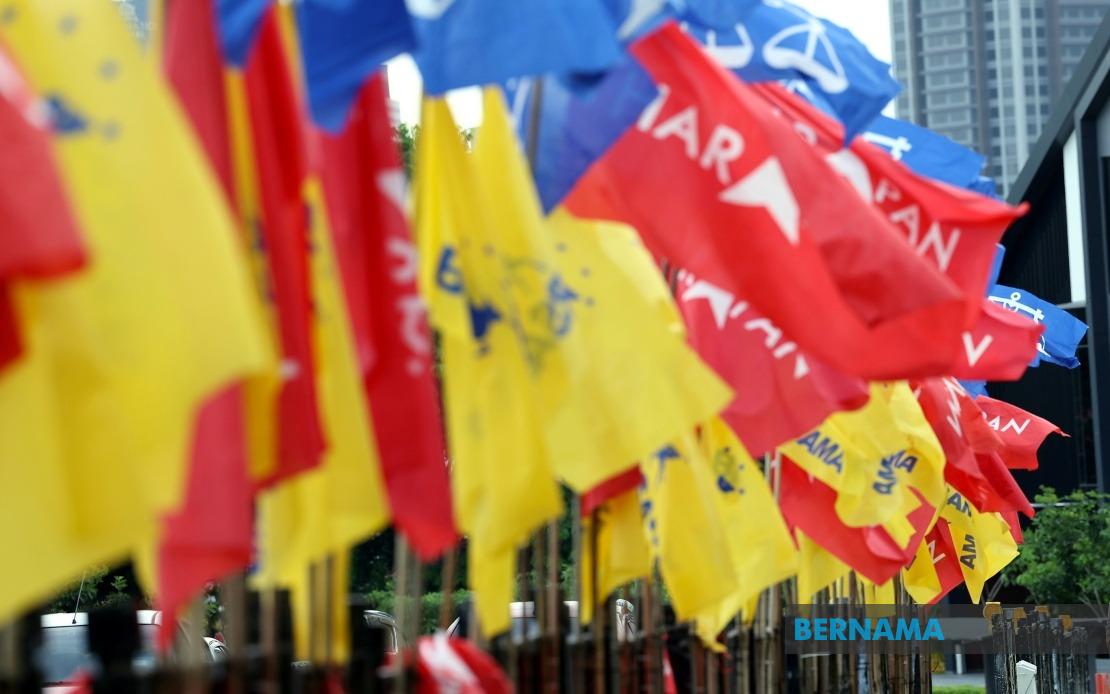
The Negeri Sembilan royal household has issued a formal directive to all political parties participating in the state's 16th election, cautioning them against attempting to leverage the monarchy or members of the royal family for electoral advantage. The palace made its position clear through an official statement released on July 27, stressing that it maintains strict political neutrality and does not endorse or support any party's campaign efforts.
Datuk Azizi Mohamad Ali, the Comptroller of the Negeri Sembilan Royal Household, delivered the message, underscoring that the institution serves a constitutionally mandated role as a unifying symbol for all residents of the state. This positioning places the monarchy above partisan competition, a principle enshrined in Malaysia's constitutional framework and reinforced by decades of precedent. The royal institution's legitimacy and effectiveness depend critically on its perceived impartiality across all political divides.
Azizi explicitly denied any connections between the palace and political parties, stating that any claims, statements, photographs, videos, or other materials suggesting otherwise are categorically false. This preemptive clarification suggests concern that candidates or supporters may have already attempted to appropriate royal imagery or messaging for campaign purposes. Such attempts, whether deliberate misrepresentation or mere insinuation of royal support, would constitute a breach of constitutional propriety that threatens institutional integrity.
The palace's caution reflects broader concerns about the protection of Malaysia's constitutional monarchy from political exploitation. The royal institution's power derives from its symbolic role and moral authority rather than executive power. When political actors successfully attach themselves to royal legitimacy, even through subtle association, they can artificially elevate their standing among voters who revere the monarchy. This dynamic makes safeguarding royal neutrality essential to preserving both the institution's independence and the fairness of electoral competition.
In particular, the palace issued guidance that all candidates must refrain from instrumentalizing the three Rs—religion, royalty, and race—as campaign tools. This formulation recognizes that these sensitive dimensions of Malaysian identity can become flashpoints for divisive politics if handled recklessly. By explicitly mentioning these categories, the palace signals that breaches involving royal matters carry especial significance because they threaten not only institutional neutrality but also the communal harmony that depends on respecting shared constitutional symbols.
The directive also extends to the broader electorate, with the palace urging members of the public to exercise critical judgment regarding unverified information circulating about royal positions or preferences. In an era of rapid information dissemination through social media, rumours and fabrications can spread quickly and influence voter perceptions before fact-checking occurs. The palace encourages citizens to consult only official palace communication channels when seeking authentic statements about institutional positions.
This intervention arrives at a consequential moment in Negeri Sembilan's political cycle. The state assembly was dissolved on June 5, triggering the election process. Early voting commenced on July 28, with general polling scheduled for August 1, meaning candidates have limited remaining time to adjust their campaign strategies. For parties that may have already incorporated royal references into their messaging, the palace statement effectively serves as a final notice to cease such practices before voters cast their ballots.
The timing and tone of the palace statement reflect institutional vigilance rather than any particular alarm about an existing crisis. Malaysian royal households periodically issue similar reminders during election periods, reinforcing fundamental principles without necessarily targeting specific violations. This periodic reaffirmation serves an important educational function, especially for first-time candidates or party operatives unfamiliar with the boundaries of appropriate electoral conduct.
For Negeri Sembilan specifically, the palace's intervention carries weight because the state has maintained relatively stable constitutional governance and has not experienced the severe political turbulence that has affected some other Malaysian states in recent years. The royal household's proactive stance helps preserve this equilibrium by establishing clear expectations before campaigns escalate.
The broader significance extends beyond Negeri Sembilan to Malaysia's national political culture. State elections regularly test the boundaries of acceptable campaign conduct, and precedents established in one state often influence behaviour in subsequent elections elsewhere. Should candidates successfully leverage royal symbolism without consequence, parties in other states might attempt similar tactics, gradually eroding the monarchy's institutional separateness from electoral politics. The palace statement therefore serves as a national signal about the monarchy's commitment to remaining above the fray.
Malaysian voters, particularly in Negeri Sembilan, can interpret the palace statement as implicit reassurance that the election will proceed without royal institution involvement or bias. This clarity benefits all contesting parties by establishing a level playing field where electoral outcomes depend on policy, performance records, and voter preferences rather than differential access to or association with royal legitimacy. In a multiethnic, multireligious democracy, maintaining trust in constitutional institutions' neutrality becomes especially crucial for preserving overall system legitimacy.

