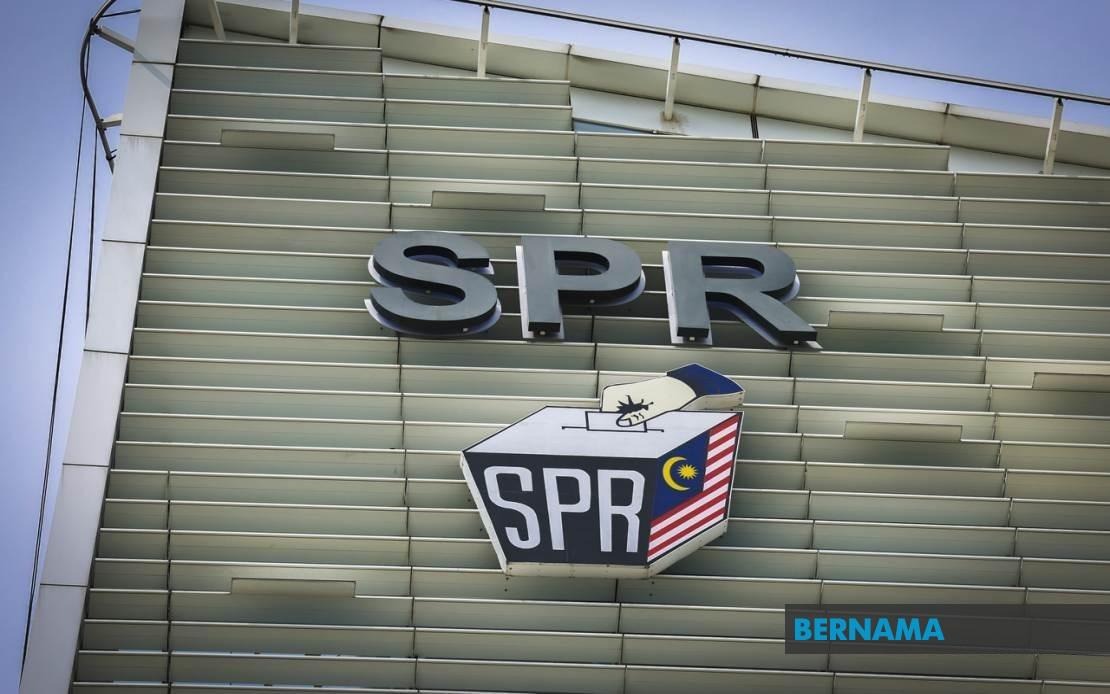
The race to capture Negeri Sembilan's 36 state assembly seats enters its decisive phase tomorrow when nomination day arrives, formally inaugurating a 14-day campaign sprint that will culminate in polling on August 1. The state's electoral machinery swings into motion across eight nomination centres, where candidates must lodge their papers between 9 am and 10 am, after which returning officers will release the definitive roster of those cleared to contest. This electoral cycle represents the first major test of coalition strength in the state since the 2023 general election reshaped Malaysia's political landscape, offering insights into shifting voter sentiment in a crucial peninsular battleground.
Negeri Sembilan's electorate has expanded slightly, with the Election Commission confirming that 889,490 voters are eligible to participate in this state election. This figure encompasses 867,151 ordinary voters, alongside 16,884 military personnel and their family members, and 5,455 police officers and their spouses. The composition of the voting population carries significance for campaign strategists, particularly regarding how armed forces constituencies may influence final seat allocations in this economically significant state. Early voting opportunities have been scheduled for July 28, accommodating those unable to cast ballots on the main polling day and potentially smoothing administrative burdens on election day itself.
Pakatan Harapan has committed to fielding candidates in all 36 constituencies, demonstrating its ambition to reclaim or expand its foothold after securing 17 seats in the 2023 election. The coalition's candidate distribution reflects established power-sharing arrangements: PKR will provide 16 candidates, DAP eleven, and Amanah nine. This composition suggests the coalition is leveraging its incumbent advantage while maintaining internal party equilibrium, though the specific geographic placement of candidates across urban and rural constituencies will prove crucial to final outcomes.
Barisan Nasional's strategy centres on a more selective approach, contesting only 25 of the 36 seats—a tactical decision potentially reflecting resource allocation or acknowledgment of vulnerability in certain areas. UMNO will shoulder the heaviest load with 16 nominees, while MCA fields seven and MIC contributes two. This represents a significant contrast to PH's comprehensive coverage and raises questions about BN's confidence levels in specific constituencies and its capacity to mount a state-wide challenge. The party's 14-seat haul in 2023 suggests marginal gains would be necessary merely to break even against PH's current majority.
Perikatan Nasional's campaign footprint remains fragmented, with the coalition announcing candidates for 11 seats distributed across multiple component parties. PAS will field five candidates, while Gerakan and the Malaysian Indian People's Party each contribute one. Most notably, Wawasan Negara—PN's newest component party—makes its electoral debut with four candidates, signalling the coalition's attempts to broaden its appeal and incorporate fresh political voices. However, Bersatu's decision to contest independently using its own party symbol introduces unpredictability into PN's overall performance and raises questions about internal cohesion ahead of a potentially tight contest.
Several smaller parties are preparing to contest individual seats or small cohorts, reflecting Malaysia's increasingly fragmented party landscape. The Parti Orang Asli Malaysia and Parti Sosialis Malaysia each plan to field a single candidate, whilst the Parti Barisan Jemaah Islamiah Se-Malaysia is expected to contest seven seats. Conversely, MUDA, Pejuang, and Bersama have announced they will sit out this state election entirely, suggesting these newer or struggling parties are prioritising resources and strategic positioning for future federal contests.
The Election Commission has issued reminders emphasising procedural efficiency, urging prospective candidates to have nomination papers vetted beforehand at returning officer offices or the State Election Office. Candidates are also advised to remit election deposits early and carry proof of payment when submitting nomination documentation. These administrative guidances, whilst routine, carry weight in maintaining the integrity and smooth operation of a complex electoral process involving hundreds of candidates across numerous constituencies and nomination centres.
Weather forecasts add another operational dimension to tomorrow's nomination proceedings. The Malaysian Meteorological Department projects fair conditions across most of the state during Saturday morning, though Port Dickson and Seremban face rain predictions. Afternoon thunderstorms are forecast state-wide, potentially affecting candidate movements between nomination centres and public campaign activities, though such weather patterns are typical for Negeri Sembilan during this season.
The dissolution of the Negeri Sembilan State Legislative Assembly on June 5, following consent from the Yang Dipertuan Besar Tuanku Muhriz Tuanku Munawir, officially triggered this electoral cycle. The previous 2023 result left PH commanding 17 seats, sufficient for a working majority but far from a commanding position. BN's 14 seats represent the main opposition force, while PN's five seats indicate an emerging third force that, if consolidated, could influence coalition-building post-election. With nomination day commencing tomorrow, all political calculations now transition from backroom positioning to public campaigning across the state's diverse urban and rural constituencies.

