Nepal's former Finance Minister Bishnu Prasad Paudel was taken into custody late Monday following allegations of involvement in money laundering activities, according to statements released by the national police force. The arrest represents a significant escalation in the government's increasingly aggressive pursuit of senior officials from previous administrations, marking a turning point in the country's recent political transition.
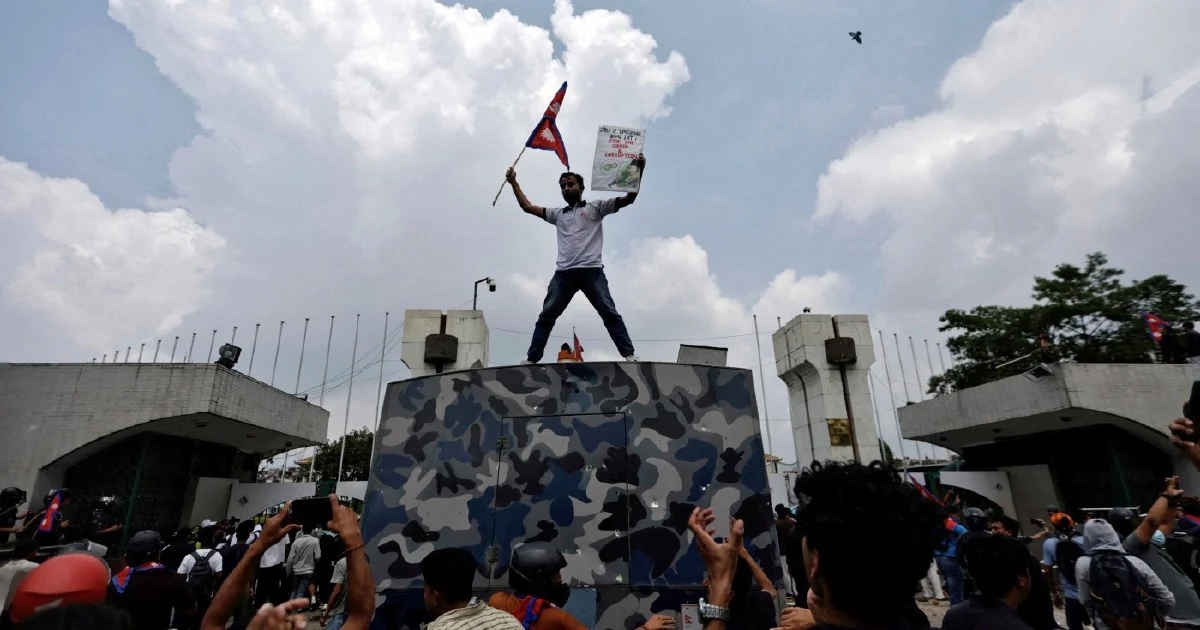
The detention of Paudel arrives amid a broader anti-corruption initiative spearheaded by Nepal's newly ascendant Gen Z-influenced administration, which has made the dismantling of institutional graft a cornerstone of its governance platform. This generational shift in political leadership has emboldened prosecutors and law enforcement agencies to pursue cases that might have faced bureaucratic obstacles or political reluctance under earlier governments.
Money laundering remains one of South Asia's most persistent challenges, with illicit financial flows undermining economic development and fuelling organized crime networks across the region. For a developing economy like Nepal, where remittance inflows constitute a substantial portion of GDP and informal money transfer systems operate alongside formal banking infrastructure, the control of suspicious financial transactions presents particular complexity. The government's targeting of high-profile figures suggests an attempt to signal commitment to international financial standards and anti-corruption frameworks.
Paudel's position as Finance Minister would have granted him considerable authority over the nation's fiscal policies and budget allocation, sectors historically vulnerable to corruption in post-conflict South Asian economies. His arrest potentially opens avenues for investigating a range of transactions and decisions made during his tenure, with ramifications extending across multiple government departments and private sector entities that may have benefited from preferential treatment or irregular approvals.
The timing of these enforcement actions coincides with Nepal's broader institutional reform agenda. The country has faced sustained international pressure to strengthen its Financial Intelligence Unit and enhance compliance with Financial Action Task Force recommendations, both of which have direct bearing on foreign investment confidence and developmental financing. Demonstrable prosecutions of elite-level offenders serve as tangible evidence of governmental commitment to these external benchmarks.
For Malaysian observers, this development carries particular relevance given the structural similarities between Nepal's and Malaysia's experiences with high-level financial impropriety. Both nations have confronted the challenge of addressing embedded corruption within state institutions while managing the political sensitivities inherent in pursuing former officials. The approaches adopted by Nepal's new government may offer instructive parallels or cautionary lessons regarding the prosecution of historical cases and the preservation of institutional legitimacy throughout such processes.
The arrest also reflects generational tensions that have emerged across South Asia, with younger cohorts demanding accountability from predecessors they view as having squandered national resources and damaged state credibility. This demographic factor distinguishes current anti-corruption campaigns from previous efforts, which often stalled due to elite consensus or political fragmentation. The Gen Z-backed administration appears willing to challenge entrenched power networks that earlier governments sought to accommodate or neutralize through negotiation.
Nepal's formal complaints and investigative procedures will likely be subject to international scrutiny, particularly from bilateral partners and multilateral institutions with stakes in the country's governance trajectory. The success or failure of high-profile prosecutions will influence both domestic political legitimacy and external perceptions of institutional capacity. Mishandled cases or procedurally flawed investigations could reinforce skepticism regarding Nepal's rule-of-law commitments.
The broader implications extend to regional economic integration initiatives, as countries with proven anti-corruption mechanisms tend to attract greater foreign direct investment and facilitate smoother cross-border transaction flows. Nepal's positioning within South Asian trade frameworks and its relationships with major trading partners may be indirectly affected by the consistency and professionalism of its financial crime investigations. Demonstrated regulatory competence becomes a competitive asset in attracting developmental financing and business partnerships.
Paudel's case will likely set procedural and evidentiary standards for subsequent investigations targeting other former officials, potentially establishing precedents regarding burden of proof, asset recovery mechanisms, and sentencing frameworks. The prosecution's approach may signal whether Nepal intends to pursue narrow criminal culpability or broader institutional reforms addressing systemic vulnerabilities that permitted such offences. These distinctions carry implications for how extensively reform processes penetrate government structures versus remaining confined to individual accountability.
The government's anti-corruption positioning requires sustained follow-through to maintain both domestic credibility and international confidence. Token prosecutions of lower-ranking officials whilst sparing powerful figures would undermine the administration's reform narrative and reinvigorate criticism regarding selective justice. The arrest of a former finance minister demonstrates willingness to pursue high-level targets, though enforcement consistency across multiple cases will ultimately determine whether this represents genuine institutional transformation or temporary political theatre.

