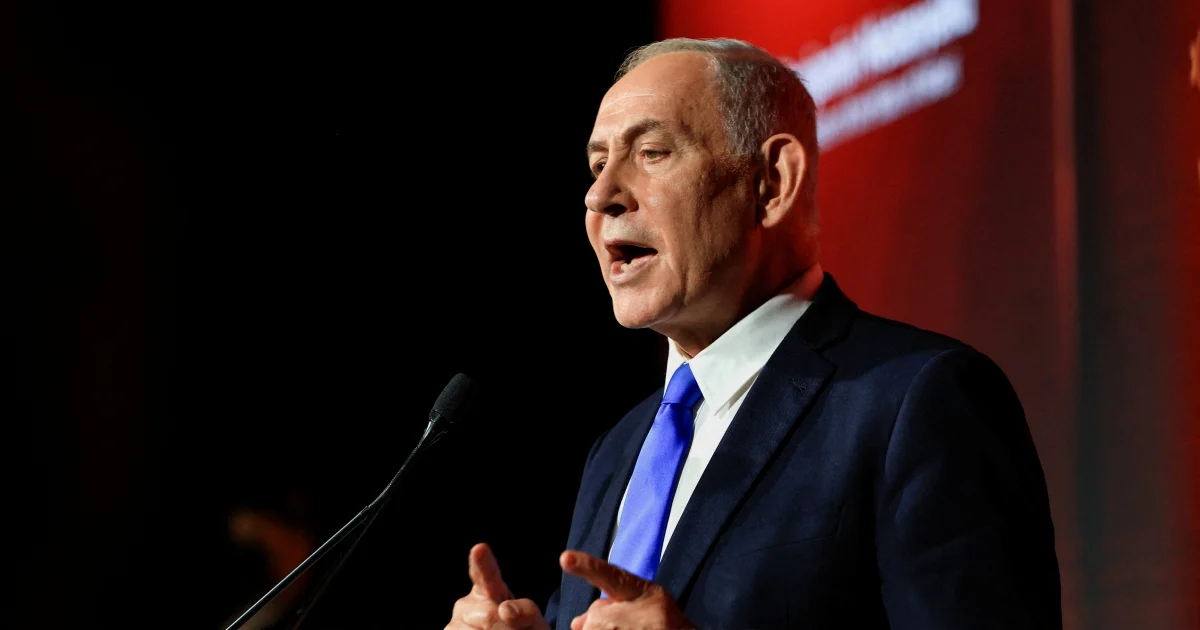
Israeli Prime Minister Benjamin Netanyahu signalled on Sunday that the military deployment in southern Lebanon would continue without a fixed timeline, framing the commitment as essential to Israel's regional security architecture. The statement underscores the complexity of Israeli strategy in the eastern Mediterranean, where multiple fronts and adversaries shape defence calculations. Netanyahu's remarks reflect the political pressure within Israel's coalition government, where hardline ministers have consistently opposed rapid withdrawals from conflict zones. The indefinite commitment also signals to Lebanese authorities and international mediators that any ceasefire agreement must accommodate an extended Israeli military footprint.
The prime minister coupled his southern Lebanon declaration with renewed warnings regarding Iranian nuclear capabilities, articulating a dual security doctrine that addresses both immediate territorial threats and long-term strategic concerns. This linkage between the Lebanese deployments and Iran policy reveals how Israeli decision-making increasingly views the Levantine theatre as interconnected with broader efforts to contain Tehran's influence across the region. For Malaysia and Southeast Asia, these Middle Eastern security dynamics carry implications for global energy markets, shipping routes, and the international normative framework governing military operations and nuclear proliferation.
Netanyahu's refusal to commit to any withdrawal timeline complicates ongoing diplomatic efforts to establish sustainable arrangements in southern Lebanon. International negotiators, including representatives from the United States and France, have been working to broker frameworks that balance Israeli security requirements with Lebanese sovereignty and the restoration of normal civilian life in border communities devastated by conflict. The prime minister's indefinite commitment statement effectively raises the bar for any agreement, suggesting that Israeli security planners view temporary arrangements as inadequate for their objectives.
The emphasis on an open-ended presence rather than a phased withdrawal also reflects calculations about Hezbollah's capacities and intentions. Israeli military assessments evidently conclude that the Lebanese militant group retains sufficient organisational resilience and cross-border capabilities to pose ongoing threats, justifying continued forward deployment rather than reliance on border monitoring systems or international peacekeeping mechanisms. This assessment carries weight given Israel's extensive intelligence apparatus in the region, though the characterisation of threats often diverges significantly from Lebanese government perspectives and international humanitarian assessments.
Netanyahu's nuclear warnings directed at Iran take on heightened significance within the context of Israel's regional military posture. The simultaneous commitment to both Lebanon operations and Iran containment suggests a comprehensive strategy that treats these challenges as mutually reinforcing aspects of Israeli security doctrine. For countries across Asia-Pacific, including Malaysia, such regional instability in the Middle East reverberates through energy supply chains, shipping insurance costs, and the broader stability of international commerce. Malaysia's significant trade relationships with both Middle Eastern oil producers and global markets dependent on Middle Eastern energy make these security dynamics directly relevant to domestic economic planning.
The timing of Netanyahu's statement carries domestic political significance within Israel's fractious coalition government. Hardline ministers allied with Netanyahu have previously criticised any talk of timelines for military withdrawals, and the indefinite commitment language appeases these factions. Simultaneously, it presents an implicit challenge to international pressure and potential future governments that might prioritise normalisation over military occupation. This domestic political calculation affects the credibility of any diplomatic agreements, as subsequent Israeli administrations might not honour commitments made by the current coalition.
Lebanese society faces profound uncertainty given Netanyahu's declaration. Hundreds of thousands of Lebanese civilians remain displaced from border communities, and their ability to return home now appears contingent upon achieving arrangements that satisfy Israeli security requirements without predetermined timeframes. This open-endedness contrasts sharply with the expectations that many Lebanese officials and populations held during ceasefire negotiations, where some believed international pressure would enforce Israeli withdrawal within months.
The international community's response to the indefinite commitment statement will shape the trajectory of diplomatic engagement. The United States, which maintains significant influence with Israel and holds diplomatic channels with both Israeli and Lebanese leadership, faces pressure to reconcile its stated commitment to Lebanese sovereignty with its security partnership with Israel. France and other regional mediators similarly must navigate the gap between their diplomatic objectives and the stated military requirements of the principal party to the conflict.
For Southeast Asia broadly, the Israeli-Lebanese situation exemplifies how regional powers employ military presence and indefinite deployment timelines to pursue security objectives and negotiate from positions of assumed strength. Malaysia's own foreign policy tradition, emphasising respect for territorial integrity and international law, positions the country somewhat at odds with approaches that rely on extended military occupation or open-ended deployments. Malaysian policymakers monitoring the situation must consider both the humanitarian implications for Lebanese civilians and the broader precedent such arrangements set for international conduct in conflict situations.
Netanyahu's articulation of an indefinite Lebanese presence, coupled with intensified Iran warnings, constructs a security narrative in which Israeli military commitments expand rather than contract. This trajectory reflects assumptions about regional threats that Israeli decision-makers evidently view as requiring sustained military engagement rather than political solutions. The implications for Lebanese recovery, regional stability, and the international norms governing military deployment extend well beyond Israeli-Lebanese relations, touching fundamental questions about how states manage security in an increasingly interdependent world where regional conflicts carry global consequences.

