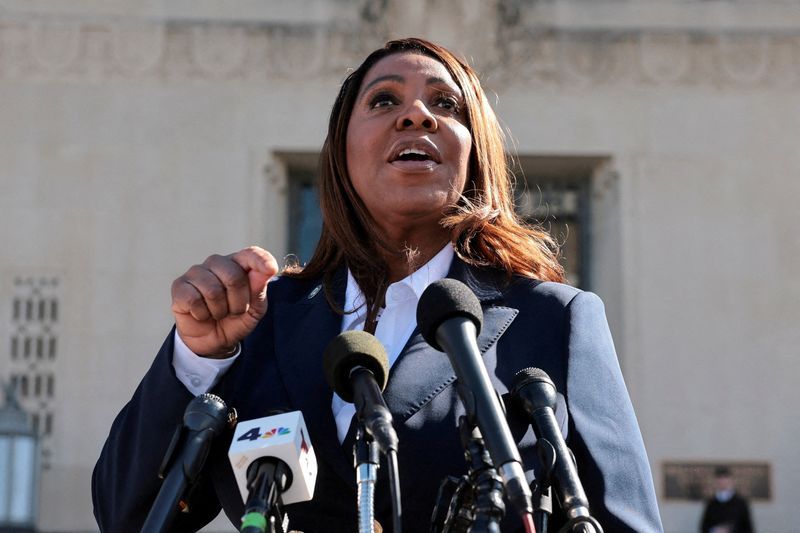
A New York state court has dealt a significant blow to Zelle, the digital payment platform, by refusing to dismiss a lawsuit brought by Attorney General Letitia James. Justice Phaedra Perry-Bond ruled on Tuesday that the state had presented sufficient evidence of wrongdoing to proceed with claims that Zelle prioritised rapid market expansion and user convenience over fundamental consumer protections, ultimately enabling fraudsters to steal more than $1 billion from users.
The platform, owned by Early Warning Services—a consortium controlled by seven major United States banks including Bank of America, JPMorgan Chase, Wells Fargo, US Bank, PNC, Capital One, and Truist—had sought to have the case dismissed before trial. The judge's decision represents a notable setback for the company's legal strategy and signals that New York courts find the state's allegations credible enough to warrant full litigation.
Justice Perry-Bond's ruling highlighted what appears to be a fundamental tension in Zelle's business model. The court found that the company's parent organisation had indeed chosen to "prioritize accessibility, convenience, consumer adoption, and market dominance at the expense of consumer safety" when launching the service in 2017. This characterisation suggests the judge viewed the decision to rush to market without robust safeguards not merely as negligent but as a calculated trade-off that knowingly exposed consumers to heightened fraud risk.
A particularly damaging finding for Zelle concerns its continued financial benefit from fraudulent transactions. The judge noted that the company continues to collect and retain fees generated from transfers later identified as fraudulent. This observation raises troubling questions about whether Zelle's lack of intervention might constitute tacit approval of fraudulent activity, transforming the company from a passive victim of fraud into a party with financial incentives to tolerate it.
The lawsuit centres on how Zelle marketed its service to the general public. The platform promoted itself using phrases suggesting absolute security, including claims that it offered "peace-of-mind" and was "backed by the banks, so you know it's secure." Such marketing language took on additional significance given that the company's banking partners—the very institutions lending credibility to these assurances—had raised concerns about safety measures during the platform's development phase.
Common fraud schemes affecting Zelle users include criminals gaining unauthorised access to accounts and executing transfers without permission, convincing victims to send money for goods or services that do not exist, and impersonating legitimate institutions such as banks, government agencies, and utility companies. These are not novel or unforeseeable fraud vectors; rather, they represent established attack patterns that security experts could reasonably have anticipated when designing the platform.
A crucial timeline emerges from Attorney General James's allegations. According to her office, Zelle had proposed implementing "basic" safety features as early as 2019, yet the company did not adopt these protections until 2023—a four-year delay that occurred only after the U.S. Consumer Financial Protection Bureau and Congressional investigators initiated inquiries. This extended timeline suggests that market pressures, not technical obstacles, prevented implementation of relatively straightforward security enhancements.
Zelle's official response to the court's decision characterises the lawsuit as politically motivated and factually baseless. Spokesperson Eric Blankenbaker asserted that reported fraud incidents affecting Zelle users have consistently remained "exceptionally low" and claimed that courts across the country have previously rejected similar allegations as without merit. The company maintains that advertising a platform as safe and secure does not constitute fraud, and that failing to implement additional safeguards does not create legal liability for fraud enabled by such omissions.
For Malaysian and Southeast Asian readers, this case carries important implications. Digital payment platforms operating across the region operate within varying regulatory frameworks, yet investors and customers increasingly expect international standards of consumer protection. Zelle's experience suggests that markets with active regulatory agencies and empowered attorneys general will increasingly hold fintech companies accountable for security gaps, regardless of industry arguments that fraud rates remain statistically low.
The strategic timing of this lawsuit also merits consideration. Attorney General James filed suit shortly after the federal Consumer Financial Protection Bureau abandoned a similar case in March 2025, following the change in the U.S. presidential administration. This sequence demonstrates how state-level regulators may fill enforcement gaps when federal agencies deprioritise consumer protection investigations. For fintech companies operating internationally, this dynamic underscores that regulatory risks cannot be managed at the federal level alone.
The case will now proceed through discovery and potentially to trial, allowing both sides to present extensive evidence regarding Zelle's internal communications, security decisions, and the extent of consumer harm. The judge's refusal to dismiss early suggests scepticism toward Zelle's core legal defences, which could complicate negotiations toward settlement and increase the company's overall exposure.
This ruling also affects the competitive landscape among payment platforms in the United States. Zelle competes directly with PayPal's Venmo and Block's Cash App, platforms that may have adopted different security approaches and now face comparative scrutiny. Regional payment platforms in Southeast Asia should note that consumer protection standards continue tightening globally, and that regulators increasingly view fraud prevention as non-negotiable rather than optional.
As the litigation advances, the case will likely illuminate internal debates within Early Warning Services regarding the security-versus-growth trade-off that appears central to Zelle's business strategy. Whether the company's banking owners will ultimately pressure management toward more stringent safety measures, or whether they will support aggressive legal defence, remains to be seen and could reshape how incumbent financial institutions approach digital innovation.

