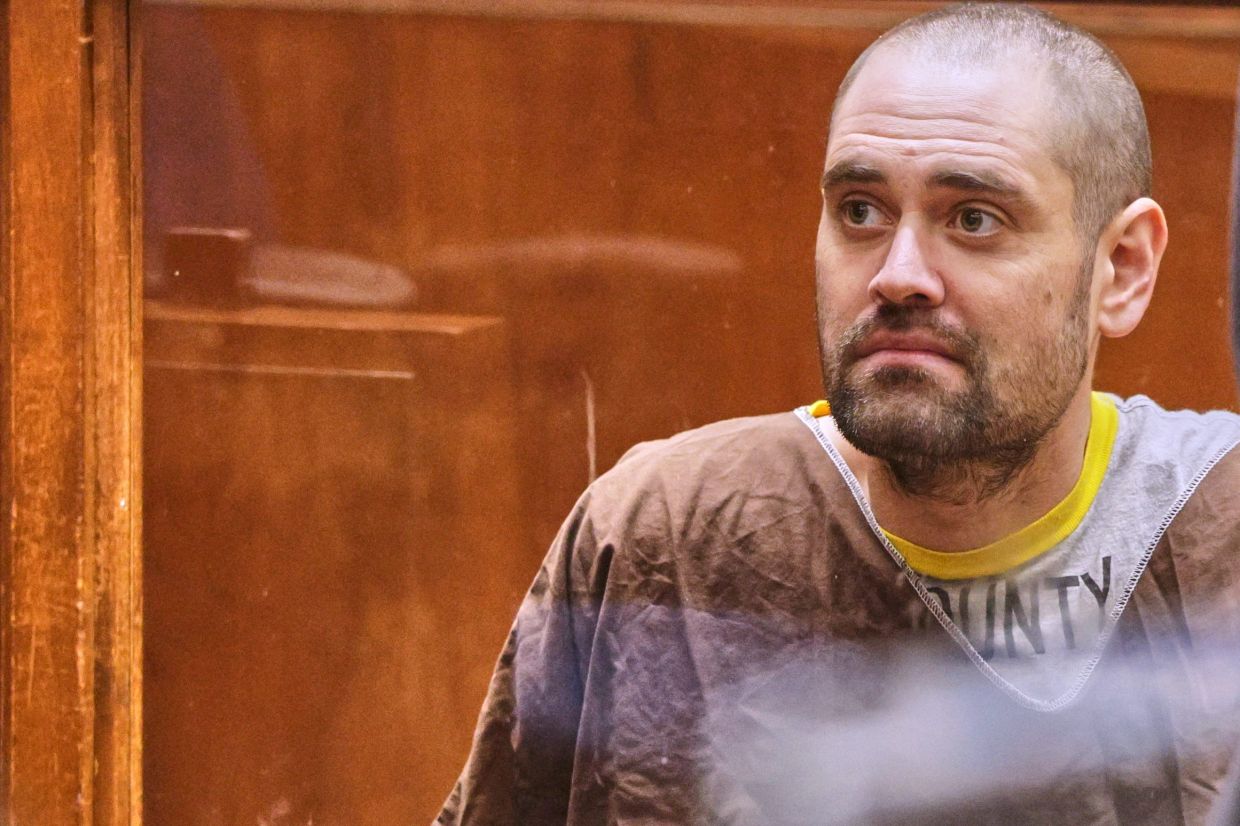
The son of legendary Hollywood director Rob Reiner has taken his family to court in a bid to unlock funds from a trust established by his parents, arguing that access to this money is essential to mounting a proper legal defence against the serious charges he faces. Nick Reiner, 32, filed a petition in Los Angeles County court on Monday through his civil attorneys, contending that trustees managing the family trust have unlawfully denied him funds that are rightfully his under the terms his parents established decades ago.
Rob Reiner and his wife, photographer and producer Michele Singer Reiner, were killed in a stabbing attack at their Brentwood home on December 14. Nick Reiner was arrested hours after the incident and has since entered a not guilty plea to two counts of murder. The case has drawn substantial attention due to the family's prominence in the entertainment industry and the tragic circumstances surrounding the deaths.
The petition makes clear that the fundamental question of Nick Reiner's guilt or innocence in connection with his parents' deaths is separate from the trust matter before the court. His attorneys argue that regardless of the criminal proceedings, their client deserves access to funds that represent his own financial entitlements under a trust document dated 1993. The petition emphasises that any accused person, following established legal principles, has a right to mount a vigorous defence using resources that legally belong to them.
The trust arrangement established by Rob and Michele Reiner provided that Nick would receive half the trust's assets upon turning 30 and the remainder at age 35. According to the petition, Nick never received the funds due to him at 30, and trustee Paul R. Kanin, who assumed oversight of the trust in February, has consistently refused to release the money. The filing characterises Kanin's justifications as a sequence of shifting explanations, including claims about Nick's competence that the attorneys argue have no relevance to a mandatory payout obligation.
The trust appears to contain substantial assets—the filing identifies at least 1.5 million dollars in holdings, though Kanin has declined to disclose the precise value. This financial scale underscores the significance of the dispute and suggests the available funds could substantially support a comprehensive legal defence, particularly given the complex nature of a murder case in Los Angeles County.
Nick Reiner's legal situation took a notable turn when Alan Jackson, a prominent defence attorney, initially took his case but departed less than a month later without public explanation. Jackson's departure followed a shift in support for financing his representation. Initially, Nick's siblings, Jake and Romy Reiner, had agreed to cover Jackson's fees, but subsequently reversed that decision. A declaration filed with the current petition indicates Jackson's firm remains prepared to resume representation should the trust funds become available, suggesting that financial constraints, rather than any professional disagreement, prompted the earlier departure.
For Malaysian and Southeast Asian readers, this case illustrates several important principles regarding criminal justice and family law that transcend geographical boundaries. The right of an accused person to access their own financial resources for legal defence is a foundational element of fair judicial proceedings recognised across common law jurisdictions throughout the region. The dispute also highlights how family dynamics can complicate legal matters, particularly when siblings are divided on financial matters with consequences for a brother facing serious criminal charges.
The broader circumstances surrounding the deaths remain largely shrouded in mystery. Authorities have released virtually no information about potential motives, and a court order has sealed most autopsy details, leaving fundamental questions unanswered in the public sphere. The District Attorney Nathan Hochman's office has not yet determined whether to pursue capital punishment, a decision that typically depends on evolving investigative findings and prosecutorial strategy.
The criminal proceedings are progressing deliberately rather than with urgency. Nick Reiner is scheduled for a pretrial hearing in September, providing months for both the defence and prosecution to prepare their respective positions. This measured pace is typical of complex homicide cases involving high-profile defendants and reflects the substantial investigative and legal work required before trial.
In April, Jake Reiner, Nick's brother, publicly described the family's experience as "a living nightmare" that defies comprehension, offering a glimpse into the profound personal trauma extending beyond the legal dimensions. Such statements underscore the human cost accompanying these proceedings—the loss of parents, the arrest of a sibling, and the fractured family relationships that follow such tragedies.
Rob Reiner's extraordinary career as a director spanned multiple decades, producing some of Hollywood's most culturally significant and widely beloved films during the 1980s and 1990s. His creative legacy stands as a parallel narrative to the current legal proceedings, creating a complex public narrative where artistic achievement intersects with family tragedy and serious criminal allegations.