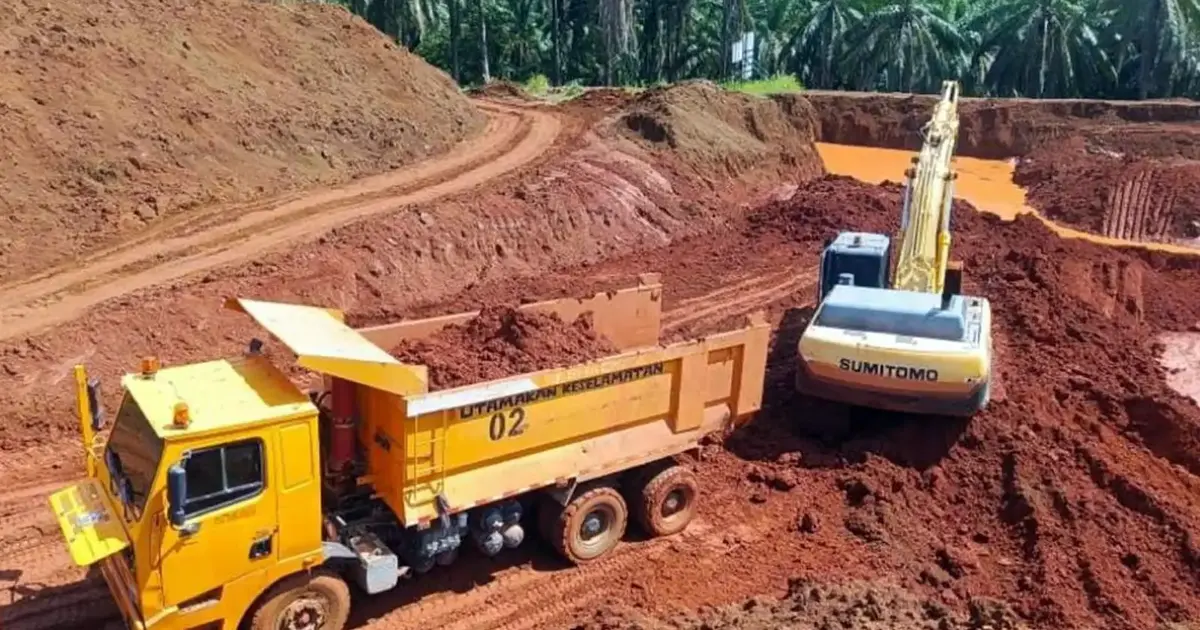
Authorities have arrested nine individuals, including several foreign nationals, following a sweeping operation targeting illegal bauxite mining operations at a Felda plantation. The General Operations Force led the raid, which resulted in the seizure of assets and raw materials valued at RM3.75 million, marking a significant enforcement action against illicit mining activity in the country.
The arrested individuals are suspected of orchestrating an unlicensed bauxite extraction operation on plantation grounds. Bauxite, the primary ore from which aluminium is derived, represents a valuable mineral resource in Malaysia. Illicit mining of bauxite not only constitutes theft of state and private assets but also poses substantial environmental and safety hazards, particularly when conducted without proper regulatory oversight or environmental safeguards.
The involvement of foreign nationals in this operation underscores a broader pattern observed across Southeast Asia, where international criminal syndicates increasingly exploit natural resources in border regions and agricultural zones. Malaysia's significant bauxite reserves, concentrated particularly in Pahang and Johor, have made the country an attractive target for organised illegal mining networks. These operations typically involve coordination between local facilitators and overseas criminal groups seeking to profit from the lucrative minerals trade.
The RM3.75 million in seized assets likely encompasses extracted bauxite stockpiles, mining equipment, vehicles, and potentially cash or valuables linked to the operation. Such material confiscations disrupt the criminal supply chain and deprive operators of their illicit profits. The scale of assets recovered suggests this was not a small-scale informal operation but rather an established enterprise with significant investment in equipment and infrastructure.
Illegal bauxite mining has emerged as a persistent enforcement challenge in Malaysia's mining-rich states. Beyond criminal liability, these operations frequently occur in environmentally sensitive areas or on land designated for sustainable use. Unregulated extraction degrades soil quality, contaminates water sources, and leaves hazardous mining sites that pose long-term ecological costs. The Felda plantation context is particularly significant, as these settlements represent structured agricultural communities where such criminal activity disrupts legitimate economic activities and local stability.
The General Operations Force, a paramilitary unit under the Ministry of Defence, has increasingly been deployed for major enforcement operations against organised crime, including resource trafficking and illegal mining networks. Their involvement signals that authorities classify this operation as part of organised criminal activity rather than isolated informal mining. This institutional approach reflects recognition that combating resource crimes effectively requires coordinated deployment of specialist enforcement capabilities alongside conventional police investigations.
Cross-border dimensions frequently characterise illegal bauxite mining in Malaysia. International organised crime networks often facilitate the transport of extracted minerals across borders to processing facilities or direct export, generating profits that flow to overseas accounts. Foreign participants arrested in such operations may serve as intermediaries between local operators and international buyers, managing logistics and market connections. Understanding these transnational linkages is essential for disrupting the complete criminal value chain.
The enforcement action carries implications for Malaysia's commitment to combating illegal resource extraction and environmental protection. International pressure on countries to address illegal mining has intensified, particularly regarding supply chain transparency and environmental stewardship. Malaysia's demonstrated capacity to identify, investigate, and neutralise such operations reinforces the country's regulatory credibility and compliance with international standards regarding natural resource management.
Authorities investigating the case will likely pursue additional inquiries into the financing, logistics, and market outlets of the bauxite operation. Determining who funded the enterprise, how extracted material reached buyers, and where profits were directed represents crucial investigative work that may expose broader criminal networks. Such intelligence subsequently informs prevention strategies targeting similar operations elsewhere in bauxite-rich regions.
The incident highlights persistent vulnerabilities in monitoring resource extraction across large rural areas and agricultural land. Preventing illegal mining requires sustained intelligence gathering, community reporting, and coordinated surveillance of known high-risk zones. Strengthening enforcement capacity, enhancing coordination between agencies responsible for land management and law enforcement, and improving reporting mechanisms represents an ongoing institutional imperative for Malaysian authorities seeking to reduce illicit mineral extraction.
For business operators and investors in legitimate mining and related sectors, such enforcement actions provide reassurance that authorities actively maintain competitive integrity by removing unlicensed competitors. Illegal mining operations undercut licensed operators through tax evasion and regulatory non-compliance, creating unfair market conditions. Consistent enforcement against such activities supports sustainable industrial practices and protects legitimate economic interests across the minerals and associated supply chain sectors.

