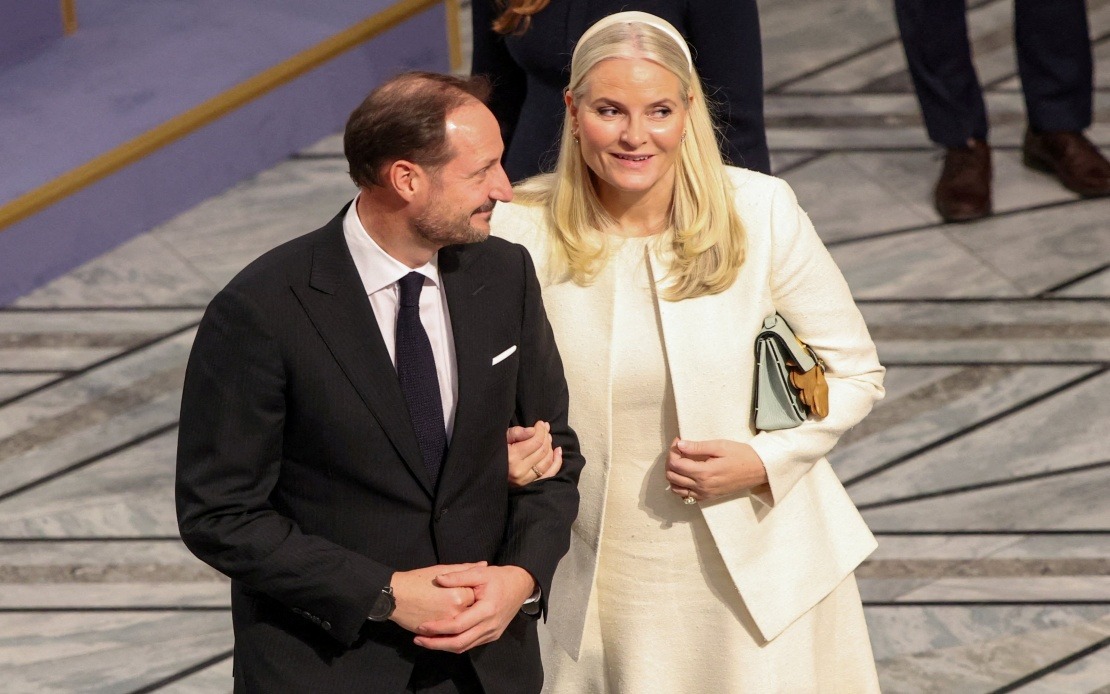
Crown Princess Mette-Marit of Norway has successfully undergone a lung transplant operation, the Norwegian Royal Palace announced on Wednesday, marking a significant medical milestone for the 52-year-old consort who has battled a debilitating lung condition for years. The procedure comes after the royal family disclosed on June 5 that Mette-Marit had been placed on the waiting list for transplant, a development that prompted widespread public engagement with organ donation across the Scandinavian kingdom.
The Crown Princess has lived with pulmonary fibrosis, a progressive and incurable disease characterised by scarring of lung tissue that progressively restricts breathing capacity and oxygen absorption. The condition is irreversible and degenerative, forcing Mette-Marit to rely on supplemental oxygen in her daily activities. Unlike many chronic conditions that can be managed or stabilised with medication, pulmonary fibrosis steadily worsens over time, necessitating a transplant as the only viable long-term therapeutic option for patients with advanced disease.
To gain acceptance onto a lung transplant waiting list, candidates typically must demonstrate that their life expectancy without intervention is approximately one year or less. This medical threshold ensures that organ allocation prioritises those facing the most critical timelines, while acknowledging the profound risks inherent in transplant surgery itself. Mette-Marit's placement on the waiting list in early June reflected the severity of her condition and the urgent medical necessity for the procedure.
The announcement of her transplant candidacy triggered a remarkable surge in organ donor registrations throughout Norway, according to figures cited by the country's Organ Donation Foundation and reported through Norwegian news agency NTB. This phenomenon underscores the influential role that high-profile medical cases play in shaping public health awareness and civic participation in organ donation programmes. When prominent figures publicly navigate serious health challenges, their experiences often resonate powerfully with broader populations, prompting reflection on mortality and the importance of tissue and organ contribution.
The timing and success of Mette-Marit's transplant also highlights the sophisticated medical infrastructure and expertise available within Scandinavian healthcare systems. Norway maintains advanced transplant centres capable of executing complex procedures and managing post-operative care for immunosuppressed patients. The successful outcome reflects not only surgical skill but also meticulous pre-operative assessment, careful donor-recipient matching, and comprehensive post-transplant protocols.
For Malaysia and Southeast Asia, the case presents instructive dimensions regarding organ donation frameworks. While many countries in the region face significant organ shortages and depend heavily on living-related donors, Norway's experience demonstrates how transparent communication from public figures can galvanise community participation in donation registries. Countries including Malaysia, which operate opt-in donation systems, might examine how public awareness campaigns and high-profile endorsements influence donation rates and tissue availability.
The Crown Princess's medical journey also illustrates broader questions about equity in transplant access. Wealthy nations with robust healthcare systems, like Norway, can provide comprehensive pre-transplant care, rapid transplant placement, and sophisticated post-operative management. By contrast, patients in developing economies often face prolonged waiting times, limited access to immunosuppressive medications, and inadequate infrastructure for managing complications, underscoring persistent global disparities in transplant medicine.
Mette-Marit will now enter an extended recovery phase characterised by strict immunosuppressive therapy to prevent organ rejection. This lifelong pharmaceutical regimen requires careful medication adherence, regular monitoring through blood tests and clinical evaluations, and coordinated care between pulmonary specialists and transplant physicians. Any significant infection or complication necessitates prompt medical intervention, making ongoing healthcare engagement essential.
The successful transplant represents not merely a personal victory for the Crown Princess but reflects the collective effort of medical professionals, laboratory staff, procurement coordinators, and the anonymous donor family whose decision to donate made the procedure possible. In Scandinavian cultures, which emphasise transparency and collective responsibility, organ donation conversations often frame contribution as a civic duty and expression of social solidarity, values that appear to have resonated following the royal family's public acknowledgment of their medical circumstances.
Looking forward, Mette-Marit's case may inspire comparable conversations across Nordic and other developed nations regarding pulmonary fibrosis awareness, transplant readiness, and donor mobilisation. Her willingness to publicly discuss a serious medical condition normalises discussions around chronic illness and transplantation, potentially reducing stigma that sometimes surrounds these topics in more conservative societies.