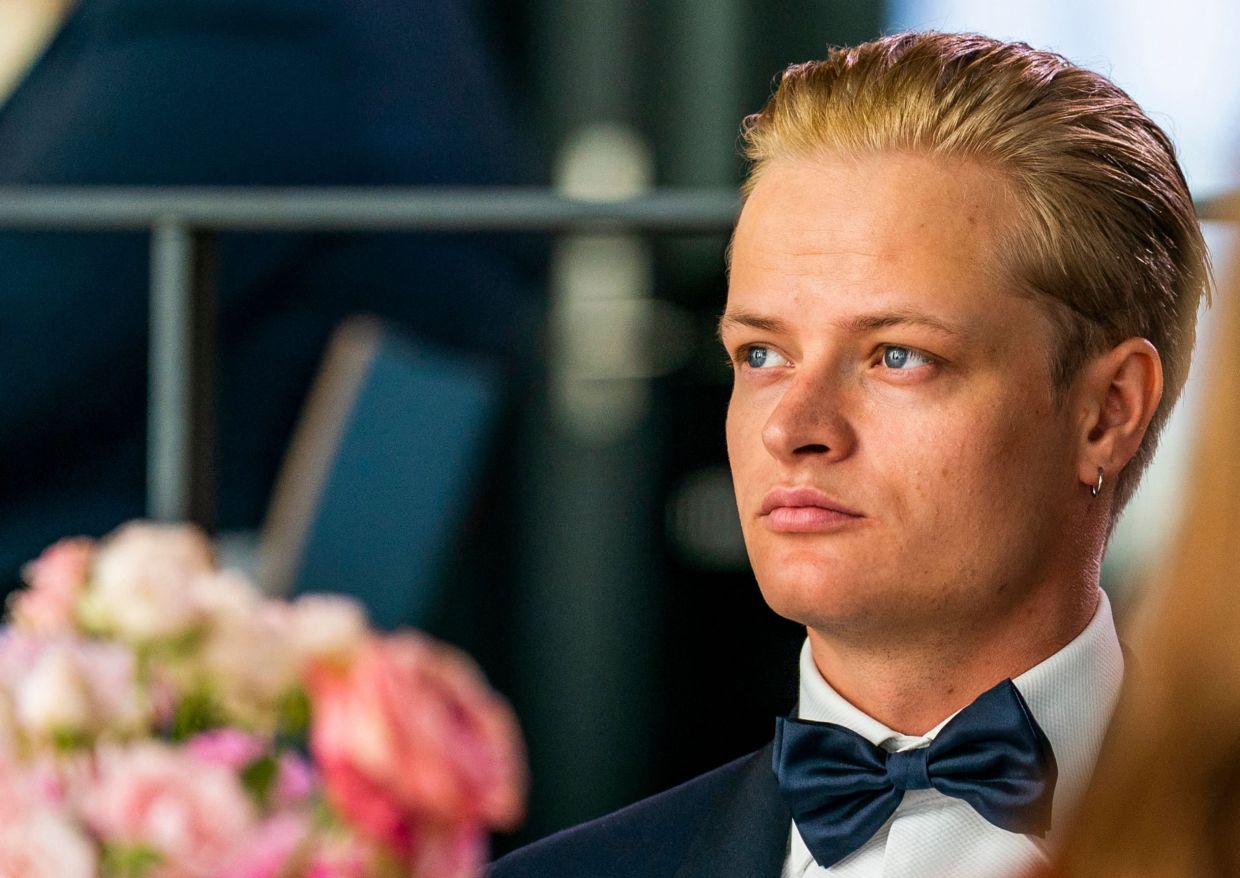
The eldest son of Norway's Crown Princess Mette-Marit received a four-year prison sentence on Monday after a court found him guilty of rape and related domestic violence offences in a high-profile case that has drawn considerable international scrutiny due to his royal family connections.
Marius Borg Høiby, aged 29, was convicted on two of the four rape charges brought against him, with the court acquitting him of the remaining two allegations. Beyond the rape convictions, he was also found guilty of assault and abuse within close relationships. As part of the sentencing, the Oslo District Court ordered Høiby to provide financial compensation to his victims, an acknowledgement of the harm inflicted through his actions.
The charges stemmed from allegations that Høiby had sexually assaulted four women between 2018 and 2024, targeting victims who were either asleep or incapable of resisting at the time of the incidents. The case encompassed a broader scope of criminal conduct, with prosecutors pursuing 40 charges overall that extended beyond the sexual assault allegations to include lesser offences such as assault, drug-related crimes, and breaches of a restraining order that had been imposed to protect his victims.
Høiby's defence strategy involved denying the rape allegations while acknowledging responsibility for several of the lesser charges. This partial admission appeared to have limited impact on the court's assessment of the more serious offences. The prosecution had advocated for a substantial custodial term, requesting that the court impose seven years and seven months of imprisonment, reflecting the severity with which they viewed the crimes. In contrast, his legal representatives argued for acquittal on the rape charges and sought a maximum penalty of 18 months for the offences their client had admitted committing.
The verdict represents a significant moment for Norway's justice system and its handling of sexual violence within intimate contexts. The six-week trial, which concluded in March, involved testimony from multiple accusers and examination of physical evidence extracted from Høiby's mobile telephone, including messages, photographs and video recordings that corroborated the prosecution's case. The detailed nature of this evidence appears to have substantially influenced the court's decision to convict on the rape charges despite his denials.
Høiby did not attend Monday's sentencing hearing due to reported health issues, observing the reading of the verdict through a video connection from the prison facility where he has been held pending trial. His absence from the courtroom did not diminish the significance of the proceedings, and the sentence is not final, as he retains the legal right to appeal the conviction and the duration of the imposed sentence.
The case has commanded exceptional international attention primarily because of Høiby's position within the Norwegian royal household, despite his formal status as a private citizen without royal title or official royal duties. He is the son of Crown Princess Mette-Marit from a relationship that preceded her marriage to Crown Prince Haakon, who stands as the heir to Norway's throne. Significantly, Høiby was raised within the royal household alongside the future king, affording him a proximity to power that has amplified public and media interest in his legal troubles.
The timing of the conviction has coincided with mounting concerns regarding the health of Crown Princess Mette-Marit herself. The princess, who suffers from pulmonary fibrosis—a serious lung condition—is currently awaiting a lung transplant and her medical condition has noticeably deteriorated in recent weeks. During the proceedings, courts were required to address arguments concerning whether Høiby should be released temporarily from custody pending the verdict. Multiple appeals courts consistently determined that he should remain in detention, a decision that reflected judicial assessment of flight risk and public safety considerations.
The conviction also emerges within a broader context of renewed scrutiny affecting the entire Norwegian royal family. Recent revelations regarding Crown Princess Mette-Marit's historical contact with Jeffrey Epstein, the now-deceased financier and convicted sex offender, prompted considerable media examination and public debate. The princess issued a public apology for maintaining this association and acknowledged demonstrating poor judgment in her continued interactions with him. She has faced no accusations of impropriety herself, but the disclosure has contributed to a challenging period for the monarchy, with questions about judgment and accountability extending across multiple family members and circumstances.
For Southeast Asian observers and readers, this case underscores how even established democracies with strong institutions grapple with sexual violence allegations involving high-profile figures, and how courts balance concerns about severity of crimes against familial or social status. The Norwegian outcome—a conviction despite significant family prominence—contrasts with patterns in some regional contexts where such cases might proceed differently. The case also highlights the international dimensions of contemporary sexual assault prosecutions, where digital evidence and testimony across borders increasingly shapes judicial outcomes, a consideration relevant to Malaysian readers as regional judicial systems contend with comparable technological and evidentiary questions.