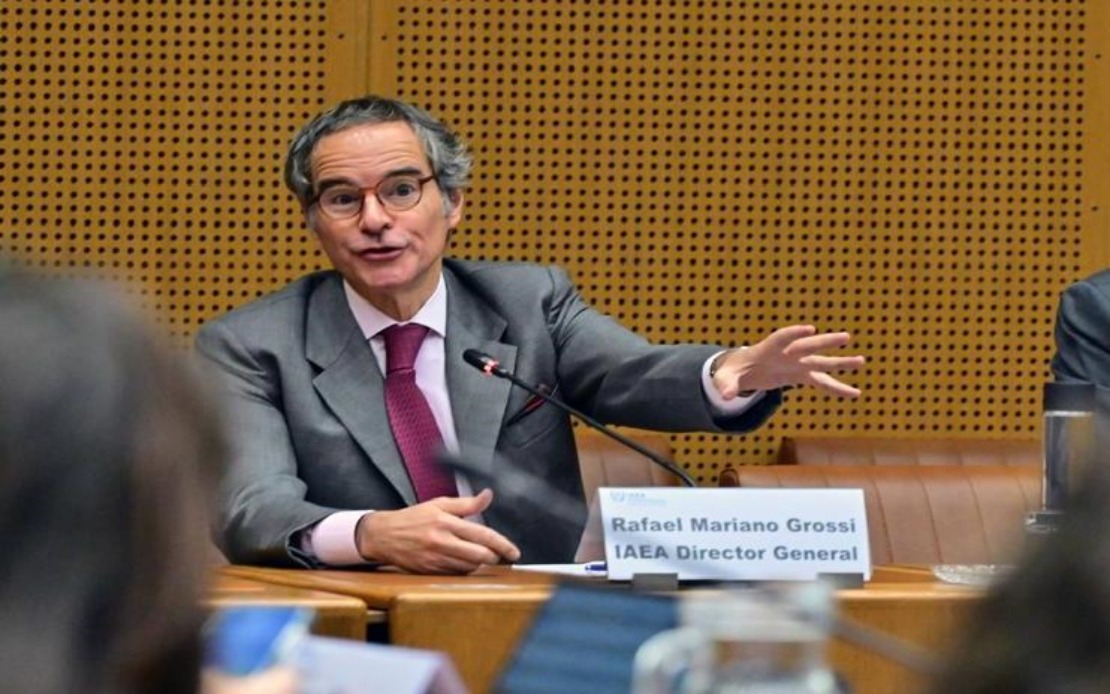
The International Atomic Energy Agency's Director General Rafael Mariano Grossi has issued a forceful appeal for sustained diplomatic commitment as tensions between Washington and Tehran move into a direct negotiation phase scheduled for Switzerland. Speaking on social media platform X, Grossi underscored that the current juncture demands unwavering dedication to the channels of dialogue that remain open, signalling the international community's recognition that the forthcoming discussions represent a pivotal moment in efforts to resolve longstanding nuclear disputes.
Grossi's call for diplomatic persistence comes as delegations from the United States and Iran prepare to convene in Burgenstock, Switzerland, for face-to-face talks that represent a notable escalation in bilateral engagement between the two countries. The timing of his intervention reflects the IAEA's central role as an independent nuclear inspector and mediator in negotiations that could reshape the nuclear landscape of the Middle East and have profound implications for regional stability and global non-proliferation efforts.
The Swiss Foreign Minister Ignazio Cassis has been instrumental in facilitating these negotiations, meeting separately with both the Iranian and American representatives to lay the groundwork for productive dialogue. Cassis's discussions with Grossi in Burgenstock provided an opportunity to review recent developments concerning Iran's nuclear programme and clarify the IAEA's expected contributions to the negotiation process. Switzerland's historical role as a neutral venue and trusted intermediary in international disputes underscores why both parties have selected the Alpine nation as the location for these sensitive discussions.
Preceding these direct negotiations was a significant political development when US President Donald Trump and Iranian President Masoud Pezeshkian signed the Islamabad Memorandum of Understanding on Wednesday, effectively establishing a framework and expressing mutual commitment to pursuing dialogue. This agreement served as a crucial stepping stone, signalling both leadership's willingness to move beyond decades of confrontational rhetoric and explore pathways toward understanding and potential resolution of contentious issues.
The escalation from indirect communications to direct talks represents a substantial thaw in US-Iran relations, a development that carries considerable weight for Southeast Asian nations dependent on stable energy supplies and uninterrupted maritime trade through strategically vital shipping lanes. Malaysia and its regional neighbours have vested interests in de-escalation of tensions in the Middle East, given the potential ramifications for oil prices, shipping security, and broader geopolitical stability that could influence regional economies.
Grossi's emphasis on providing diplomacy with every conceivable opportunity to achieve success reflects a broader international consensus that the alternative—allowing negotiations to collapse—risks triggering dangerous escalation. The IAEA chief's public statements carry particular weight, as his organisation possesses technical expertise and credibility that neither party can dismiss, making his endorsement of diplomatic persistence a powerful message to both delegations that the world community supports good-faith engagement.
Switzerland's commitment to multilateral diplomacy, as acknowledged by Grossi in his remarks, positions the country as a crucial player in international conflict resolution. The nation's tradition of hosting international negotiations and its constitutional commitment to neutrality have made it an ideal location for discussions where both parties require assurance that no external pressure or bias will interfere with sincere negotiation. This geographical and political neutrality creates conditions where serious dialogue can proceed without the complications that might arise in other venues.
For Malaysian observers and policymakers, the trajectory of these talks carries implications that extend beyond nuclear proliferation concerns. A successful negotiation pathway between the United States and Iran could reduce regional tensions that have periodically affected commodity prices, shipping insurance costs, and broader economic confidence throughout Asia. Conversely, a breakdown in these talks could contribute to further destabilisation that would ripple across global markets and security architectures in ways that would impact Southeast Asian nations directly.
The involvement of the IAEA in these discussions ensures that any agreements reached will include robust verification mechanisms and technical safeguards that address international concerns about nuclear programmes. Grossi's presence in the diplomatic process, coupled with his organisation's inspection and monitoring capabilities, provides a framework through which complex technical issues can be translated into verifiable commitments that satisfy multiple stakeholder concerns simultaneously.
As negotiations commence in Burgenstock, the international community watches closely to assess whether both delegations genuinely intend to narrow differences or whether initial discussions will reveal fundamental incompatibilities that frustrate further progress. Grossi's public support for the diplomatic process sends a clear signal that the nuclear watchdog remains committed to supporting constructive engagement, provided both parties demonstrate reciprocal commitment to resolution over posturing.

