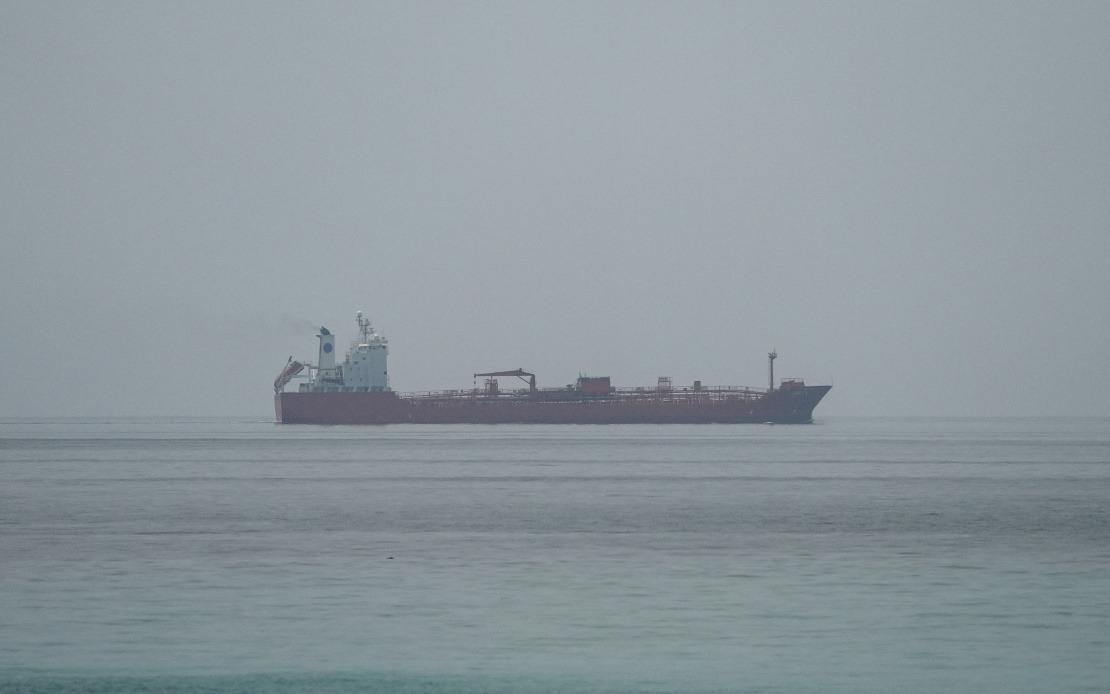
Oman has thrown its diplomatic weight behind the recently concluded memorandum of understanding between the United States and Iran, with Omani Foreign Minister Badr Albusaidi delivering assurances at a joint ministerial forum in Bahrain that passage through the Strait of Hormuz will remain free of any transit levies. The statement, made during a consultative meeting between the Gulf Cooperation Council and Washington, represents a significant endorsement from a nation uniquely positioned to influence shipping patterns through one of the world's most strategically vital maritime corridors.
Albusaidi's remarks underscore Oman's self-acknowledged role as a custodian of regional maritime stability. As a coastal state with direct oversight of the Strait of Hormuz, the Sultanate has historically positioned itself as a neutral mediator in Gulf disputes, and this latest intervention reflects that tradition. The foreign minister anchored Muscat's commitment to international law and the UN Convention on the Law of the Sea, signalling that Oman's stance rests on established legal frameworks rather than ad hoc political calculations. For Malaysian and broader Southeast Asian stakeholders, this commitment carries weight because the Strait of Hormuz remains critical to global energy supply chains—disruptions there can ripple across regional economies dependent on stable oil and liquefied natural gas imports.
The Iran-US memorandum itself represents a significant diplomatic turnaround after months of escalating military tensions. The accord, which entered force on June 18 following electronic signatures by Iranian President Masoud Pezeshkian and US President Donald Trump, emerged from mediation efforts led by Pakistan. The 14-point agreement addresses a broad spectrum of regional flashpoints, extending far beyond maritime transit to encompass cessation of hostilities across multiple fronts, including Lebanon, and the lifting of the US naval blockade that has constrained Iranian shipping for years. These provisions directly affect regional stability and have implications for global commodity markets.
Oman's emphatic rejection of any future toll regime through the strait carries both symbolic and practical significance. Throughout the tensions of recent months, particularly following US and Israeli military strikes on Iran in late February and the subsequent Iranian retaliatory operations, concerns had mounted about potential disruptions to passage or the imposition of sanctions-like fees by Tehran. The Strait of Hormuz handles roughly one-third of global maritime petroleum traffic, making it indispensable to economies far beyond the Middle East. Any narrowing of this vital artery, whether through military action or administrative barriers, poses risks to energy prices and supply reliability worldwide.
The GCC-US consultative framework, within which Albusaidi made these remarks, reflects the institutional architecture through which regional partners coordinate on security matters. These regular meetings address not only immediate crises but also longer-term strategic alignment on geopolitical developments in West Asia. For Malaysia and other ASEAN nations, the health of this dialogue matters because regional instability—whether driven by military escalation or economic disruption—can redirect shipping patterns, affect energy costs, and create unpredictable business environments for companies operating across maritime trade routes.
The sequence of events leading to the Iran-US agreement reveals how brinkmanship and behind-the-scenes diplomacy can shift regional trajectories. The February strikes and Iranian counterattacks had rattled markets and raised fears of uncontrolled escalation. Pakistani mediation proved instrumental in bridging the gap, suggesting that smaller regional powers can play outsized roles when major protagonists tire of confrontation. Oman's explicit backing of the outcome reinforces this pattern, positioning the sultanate as a stabilizing force rather than a partisan actor in regional rivalries.
Critical to understanding the maritime dimension is recognition that the Strait of Hormuz's strategic value lies not merely in its geography but in the political consensus surrounding its use. Oman's reaffirmation of free passage accords with longstanding international maritime norms, yet it also serves as a reassurance to the broader world that Iran's new understanding with Washington will not translate into creeping restrictions on navigation. This clarification matters enormously for insurance companies, shipping firms, and energy traders who must price in the costs of passage and the risks of disruption when planning operations.
The agreement's provisions on reopening the strait and lifting the naval blockade suggest a fundamental recalibration of US-Iran relations following a period of maximum tension under the previous American administration's policy of sanctions escalation. The transition from confrontation to negotiated settlement, however fragile, creates space for regional actors like Oman to emphasize stability and rule-based order. Oman's repeated invocation of international law and UN maritime conventions signals confidence that the new arrangement rests on durable legal foundations rather than the personal preferences of individual leaders.
For Malaysia, the implications merit careful consideration. As a Southeast Asian nation deeply invested in freedom of navigation and regional maritime security, Malaysia has a stake in the stability of chokepoints like the Strait of Hormuz. Any disruption to shipping through such passages can divert traffic, raise costs, and create insurance complications for Malaysian exporters and importers. The Oman government's pledge of fee-free transit represents a green light for resumption of normal commercial activity, potentially easing pressures on global shipping markets that had begun to anticipate higher friction and uncertainty.
Oman's diplomatic initiative also highlights the role that smaller Gulf states can play in moderating tensions between larger regional and international powers. Unlike Saudi Arabia and the UAE, which have pursued more assertive regional policies, Oman has maintained strategic autonomy and cultivated relationships across the region's divides. This positioning allowed Muscat to serve as an interlocutor in previous crises and now permits it to articulate a vision of regional order centered on maritime commerce and peaceful coexistence. The success of this model, at least in the near term, depends on whether the Iran-US understanding holds and whether the newly agreed-upon frameworks for Hormuz transit prove workable in practice.
The meeting in Bahrain itself carried symbolic weight, bringing together the formal GCC institutional structure with Washington's security apparatus to discuss a regional settlement not initially brokered within that framework. This arrangement reflects the complex reality of Gulf geopolitics, where multiple initiatives, dialogue channels, and mediating powers operate simultaneously. The GCC's regular consultations with the US serve partly to ensure alignment on major regional developments, even when those developments emerge through separate diplomatic channels. Oman's statement at this gathering served as an anchor, tying the new Iran-US accord to recognized international law and GCC-US strategic cooperation.
Looking ahead, the durability of the Iran-US memorandum will test whether Oman's assurances prove accurate. Political circumstances can shift, leaderships can change, and new crises can emerge to overturn agreements reached in calmer moments. Yet for now, Oman's commitment to fee-free Hormuz transit and its endorsement of the broader Iran-US understanding provide a measure of confidence that the region has stepped back from the brink. For Malaysian policymakers and business leaders monitoring regional stability, this development offers cause for cautious optimism about the trajectory of maritime security and energy commerce in the coming months.

