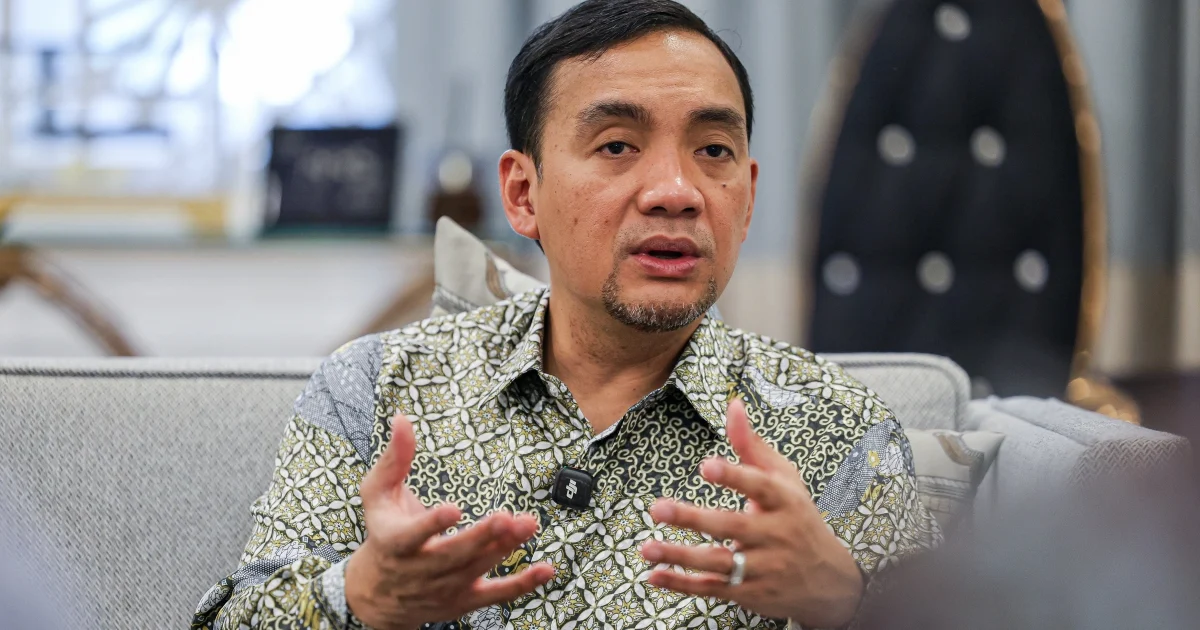
Caretaker Johor Menteri Besar Datuk Onn Hafiz Ghazi has firmly disputed allegations that he attributed the dissolution of the state assembly to a directive from the palace, pushing back against claims made by Datuk Dr Mohd Puad Zarkashi.
The statement represents another layer in ongoing political manoeuvres within Johor's legislative landscape, where the timing and rationale for assembly dissolution have become subject to competing narratives. Onn Hafiz's clarification suggests efforts to distance himself from characterisations that might suggest the palace overstepped constitutional boundaries or wielded improper influence over the state's political processes.
Johor's constitutional arrangement, like those governing other Malaysian states, operates within a framework where the Ruler occupies a ceremonial and supervisory position whilst executive authority rests with the Menteri Besar and the cabinet. Dissolution of the assembly typically occurs through formal processes that balance the Ruler's constitutional prerogatives with the sitting government's administrative decisions. The distinction between palace direction and formal constitutional procedure carries significant weight in Malaysian political discourse.
Datuk Dr Mohd Puad Zarkashi's original contention that Onn Hafiz had spoken of palace involvement in the dissolution decision has become subject to competing interpretations. Such assertions gain particular resonance given historical episodes in Malaysian politics where questions about the proper limits of royal involvement in state administration have surfaced. The denial by Onn Hafiz seeks to establish that any dissolution involved standard constitutional protocols rather than extraordinary palace intervention.
The political context matters considerably here. The Johor assembly dissolution occurred amid complex factional dynamics within the state's ruling coalitions. Understanding whether the initiative originated primarily from the Menteri Besar's administration, emerged from coalition partner pressures, or reflected palace preferences bears directly on assessing the legitimacy and constitutional propriety of the decision. Onn Hafiz's pushback against Zarkashi's characterisation attempts to reframe the narrative around standard governmental procedure.
For Malaysian observers, these distinctions hold constitutional importance that extends beyond Johor's immediate political landscape. Questions about royal involvement in state government decisions touch foundational principles of Malaysia's constitutional monarchy. The federation's states maintain Rulers whose constitutional roles remain carefully circumscribed, and both political actors and observers remain vigilant about maintaining appropriate institutional boundaries.
The disagreement between Onn Hafiz and Datuk Dr Mohd Puad Zarkashi reflects broader patterns within Malaysian state politics where different actors invoke competing versions of decision-making authority. Political actors regularly contest the origins and rationales for major decisions, with significant implications for public perception of governmental legitimacy. Onn Hafiz's explicit rejection of Zarkashi's framing represents an attempt to establish his administration's primary agency in the dissolution matter.
In the Southeast Asian context, where questions about the balance between monarchical institution and democratic governance remain live issues across jurisdictions, Malaysia's handling of such tensions carries broader regional significance. Citizens across the region watch how established democracies navigate these constitutional relationships. Clarity about proper procedures and boundaries strengthens institutional confidence.
The timing of these statements occurs as new political arrangements consolidate in Johor following the assembly dissolution and subsequent electoral processes. How different political figures characterise past decisions influences both the immediate political settlement and longer-term perceptions of institutional conduct. Onn Hafiz's denial thus serves not merely to clarify his own position but contributes to the broader political narrative surrounding the state's recent transitions.
Johor's political significance within Malaysia's federation amplifies attention to such disputes. As the southernmost peninsular state and home to substantial economic activity and a large population, developments in Johor politics resonate throughout the country. The manner in which state leaders and constitutional bodies conduct their affairs establishes precedents that other states and observers monitor closely.
The disagreement highlights recurring challenges in Malaysian political communication, where statements and intentions become subject to multiple interpretations and competing claims about meaning. What one actor presents as acknowledging constitutional procedure another might frame as acknowledging improper influence. Such communicative friction, whilst potentially clarifying upon deeper examination, initially generates political friction.
Moving forward, Onn Hafiz's position establishes a clear line rejecting characterisations of palace overreach whilst potentially leaving space for recognition of the Ruler's ordinary constitutional role in assembly dissolution procedures. This calibrated approach seeks to protect both institutional reputation and the legitimacy of the dissolution decision itself, reflecting the political stakes involved in how state government actions become publicly understood and remembered.

