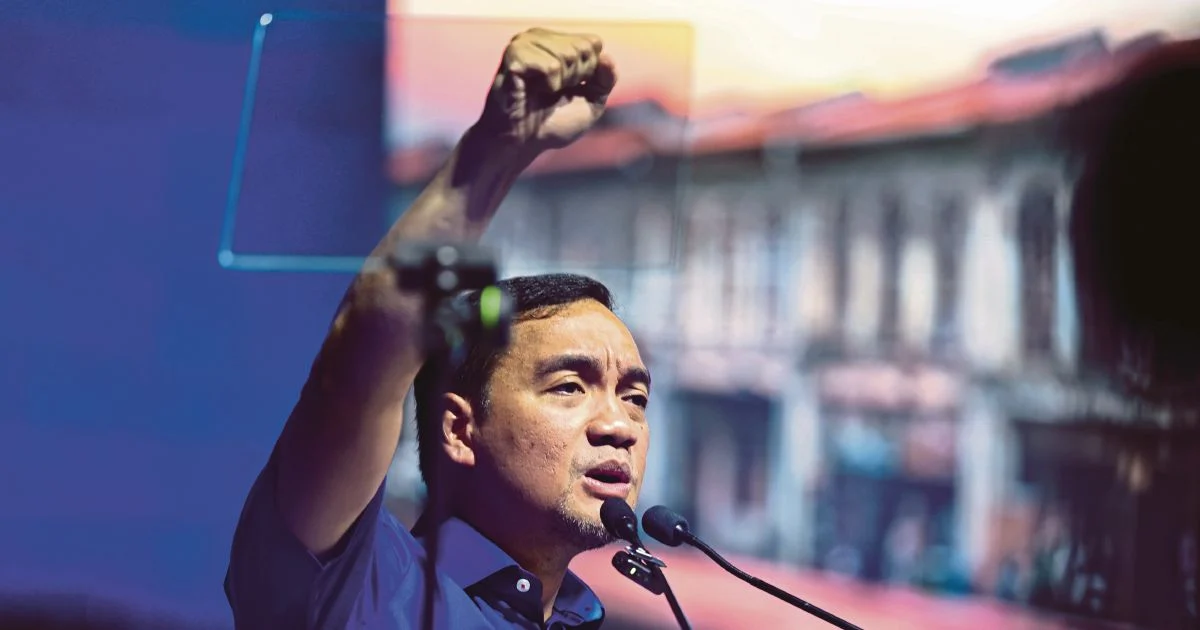
Datuk Onn Hafiz Ghazi has confirmed he will contest the Machap state assembly seat in the forthcoming Johor election, seeking to retain his position as the state's representative in this constituency. As the caretaker Menteri Besar, Onn Hafiz remains at the helm of Johor's administration during the election period, a position he has held since his previous electoral victory.
The Machap seat has long been a stronghold for the United Malays National Organisation (UMNO), which Onn Hafiz represents. His decision to defend the seat underscores the party's confidence in his electoral prospects and his continued relevance within Johor's political landscape. This move signals that UMNO intends to consolidate its presence in the state assembly, particularly in constituencies where it maintains strong ground support.
Onn Hafiz's candidacy carries significance beyond the local constituency. As Menteri Besar, he represents the executive authority of Johor and his personal electoral fortunes directly influence the state government's composition and stability. A successful defence of his seat would strengthen his political mandate and position within UMNO's leadership hierarchy in the state.
The timing of Johor's state election reflects the broader political cycles affecting Malaysia's state-level governance. Elections in individual states occur on staggered schedules, creating distinct political moments where voters across different regions weigh in on their preferred leadership. Johor's positioning as one of Malaysia's largest and most economically significant states means its electoral outcomes often attract national attention and can influence broader political narratives.
Machap constituency, situated in Johor, encompasses communities whose concerns range from economic development and infrastructure to public services and local governance. The recontesting of seasoned legislators like Onn Hafiz typically revolves around their track record of addressing constituent needs, their advocacy initiatives, and their effectiveness in securing state-level resources for their areas.
The caretaker arrangement during the election period maintains governmental continuity while the electoral process unfolds. This institutional framework allows the sitting Menteri Besar to continue administrative duties without the conflict of interest that would arise from active campaigning while wielding executive power. However, the separation remains somewhat notional, as the political credibility gained through ongoing governance can influence electoral outcomes.
Within Johor's political context, UMNO faces competition from other coalitions and independent candidates. The state's electoral dynamics have evolved in recent years, with voters demonstrating willingness to split support across different parties and levels of government. Onn Hafiz's re-election bid occurs within this shifting terrain, requiring him to mobilise traditional support bases while potentially expanding his appeal.
The Machap seat's demographics and economic profile shape the priorities candidates must address. Like many constituencies across Malaysia, Machap residents concern themselves with cost-of-living pressures, employment opportunities, educational facilities, and healthcare access. Candidates must demonstrate concrete achievements and credible plans to address these concerns.
Onn Hafiz's tenure as Menteri Besar provides material for electoral positioning. He can highlight infrastructure projects completed, economic initiatives launched, and state-level policies implemented during his administration. Simultaneously, opposition candidates will scrutinise his record, pointing to any perceived failures or unfulfilled promises.
The broader UMNO strategy in Johor shapes individual candidacies like Onn Hafiz's. The party must allocate its campaign resources, determine which seats merit intensive effort, and coordinate messaging across constituencies. Fielding established figures like Onn Hafiz in strategic constituencies reflects resource allocation decisions at the state party level.
Regional political observers will monitor Johor's election closely given the state's economic importance, population size, and historical role in Malaysian politics. Results in Johor often carry implications for national political calculations, influencing perceptions about party strength and momentum ahead of future national elections.
Onn Hafiz's Machap defence represents a microcosm of larger political contests unfolding across Malaysia's federal structure. Individual constituency races, while rooted in local issues and personalities, connect to state-level party positioning and national political fortunes. The convergence of personal ambition, party strategy, and constituent concerns characterises electoral competition at every level.

