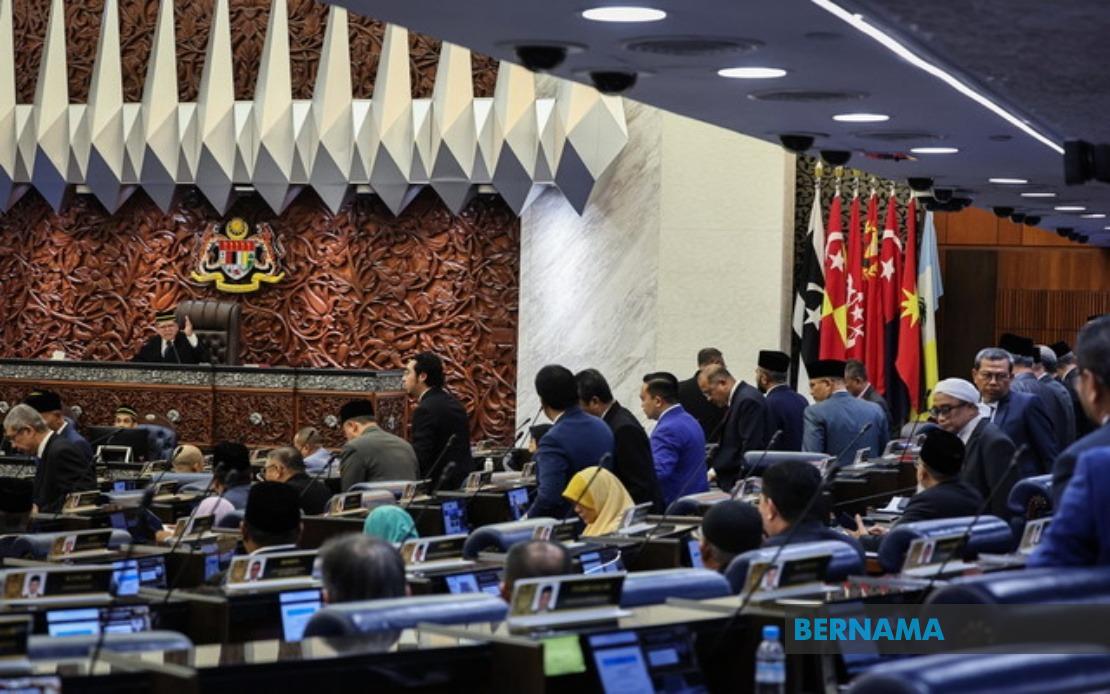
Opposition Members of Parliament walked out of a special parliamentary sitting in Kuala Lumpur on August 11, boycotting a ministerial briefing on the Royal Commission of Inquiry findings concerning Lembaga Tabung Haji's management and operations. The coordinated departure reflected deepening tensions between government and opposition over how significant financial inquiries should be conducted and presented to lawmakers.
The parliamentary boycott centred on the absence of Prime Minister Datuk Seri Anwar Ibrahim, whose presence the opposition considered essential for the proper discussion of the RCI report. Both Anwar and Deputy Prime Minister Datuk Seri Fadillah Yusof were undergoing medical treatment, prompting questions about the appropriateness of proceeding with a major policy briefing in their absence. The opposition argued that a matter of such national importance warranted the highest level of leadership engagement within the chamber.
Perikatan Nasional opposition chief whip Datuk Seri Takiyuddin Hassan formally proposed postponing the special sitting, contending that the prime minister's medical absence made it impossible to conduct meaningful parliamentary scrutiny. This proposal reflected broader opposition frustration with how the government was managing the inquiry process and the subsequent parliamentary discussion of its conclusions. The proposal, however, did not gain sufficient support to prevent the briefing from proceeding.
Dewan Rakyat Speaker Tan Sri Johari Abdul declined to postpone the sitting, effectively overruling the opposition's procedural objection. His decision to proceed despite the walkout highlighted the government's commitment to moving forward with the Tabung Haji briefing regardless of opposition participation. The speaker's firm stance suggested that the government viewed the RCI report as too significant to delay further, particularly given the weeks and resources invested in the commission's investigation.
Speaker Johari's remarks during the session underscored the political dimensions of the dispute. He invited opposition members to either depart or remain while emphasizing that the public was observing parliamentary conduct. His comment—that those unwilling to discuss matters of national importance should leave—framed the opposition walkout as an abdication of parliamentary responsibility rather than a principled protest. This rhetorical positioning strengthened the government's narrative that the opposition was obstructing important national business.
Following the departure of opposition lawmakers, Minister in the Prime Minister's Department (Religious Affairs) Dr Zulkifli Hasan proceeded with the scheduled briefing on the Tabung Haji inquiry findings. His presentation continued without interruption, allowing the government to communicate the RCI conclusions directly to supportive and neutral MPs. The absence of robust opposition questioning may have simplified the government's messaging while potentially limiting the parliamentary scrutiny that complex financial management issues typically warrant.
The Tabung Haji inquiry represents a critical examination of one of Malaysia's most important Islamic financial institutions, serving millions of Malaysian pilgrims and Muslim savers. The RCI's investigation into the fund's management and operations had captured significant public attention given concerns about governance and investment performance. The parliamentary briefing was meant to inform lawmakers about the commission's findings and any recommended reforms, making the opposition's boycott particularly contentious.
Tabung Haji's role in facilitating the hajj pilgrimage for Malaysian Muslims while managing substantial accumulated funds gives it considerable social and religious significance. Any findings regarding mismanagement or operational failures carry implications for public confidence in Islamic financial institutions more broadly. The opposition's position that such matters demand the prime minister's personal involvement reflects recognition that the inquiry's conclusions could influence policy across the Islamic finance sector.
The walkout incident illustrates a pattern of parliamentary dysfunction when major inquiries and their findings reach parliament. Opposition and government MPs increasingly use procedural disputes and strategic absences to frame narratives around major policy documents rather than engaging substantively with their content. This dynamic reduces parliament's effectiveness as a venue for meaningful scrutiny of government institutions and decisions.
For Malaysian readers and observers across Southeast Asia, the episode raises questions about parliamentary accountability and the mechanisms for public institutions to answer for their performance. While the RCI itself represents an official acknowledgment that Tabung Haji required independent investigation, the subsequent parliamentary handling suggests that converting inquiry findings into concrete reforms may prove politically contentious. How the government implements the RCI's recommendations—if it chooses to do so—will likely become another flashpoint between ruling and opposition coalitions.
The broader political context shapes this dispute significantly. With a closely divided parliament, both government and opposition calculate strategic advantage from their positioning on major policy matters. The opposition's claim that the prime minister's absence rendered the briefing incomplete contrasts with the government's insistence that proceeding without delay was necessary. This fundamental disagreement over parliamentary procedure reflects the underlying instability of Malaysia's current political configuration.
Moving forward, the Tabung Haji matter will likely resurface in parliamentary debates, particularly if the opposition seeks to revisit the RCI findings or challenge the government's implementation of any recommended reforms. The August 11 walkout established a precedent for opposition engagement—or deliberate non-engagement—with future government briefings on major inquiries. Whether parliament can develop protocols for more constructive handling of such matters remains uncertain, as both sides seem committed to using procedure and presence strategically rather than substantively.

