NEW DELHI: The National Eligibility cum Entrance Test, one of India's most gruelling academic hurdles, has become a source of mounting psychological strain for over 2 million aspirants who must sit the examination again on Sunday, June 21, following the controversial cancellation of their initial attempt. The original test, held on May 3, was scrapped after widespread social media allegations surfaced suggesting that question papers had been leaked prior to the examination, forcing the government to take the extraordinary step of invalidating all results and ordering a complete retake.
The stakes surrounding this examination are exceptionally high: only between 5 and 6 per cent of all candidates who attempt the test ultimately secure coveted seats at India's medical schools, making it one of the nation's most competitive entrance examinations. This extraordinarily low success rate means that even high-achieving students face daunting odds, and the unexpected necessity of sitting the exam a second time has amplified anxiety levels among an already stressed cohort of test-takers. For many students, the ordeal represents not merely an inconvenience but a source of deep psychological distress that has prompted some to seek professional mental health support.
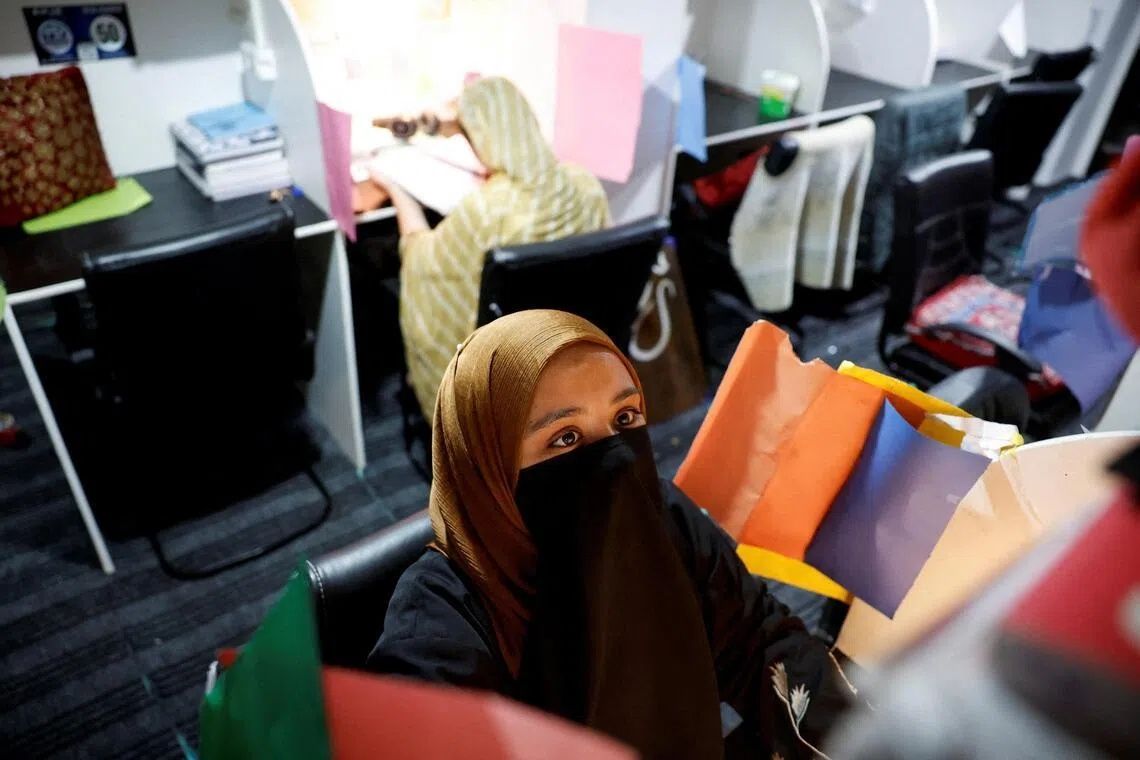
Alima Javed, a 20-year-old candidate from Srinagar, articulated the frustration felt across the student body, describing how years of rigorous preparation have been compounded by circumstances entirely beyond her control. "This examination drains us mentally. We put in years of hard work, and then the paper gets leaked and results are cancelled," she said, capturing a sentiment echoed by countless fellow test-takers facing the prospect of another gruelling attempt. The emotional toll extends beyond simple exam nerves; students report feeling betrayed by a system that punished them for administrative failures they did not cause.
The leaked examination has mushroomed into a significant political liability for Prime Minister Narendra Modi's government, with student protests erupting in New Delhi and other major cities. Hundreds of demonstrators have participated in multiple marches demanding accountability and systemic reform, transforming what might have remained an administrative matter into a public relations crisis. Opposition political figures have seized upon the controversy to criticise the government's stewardship of educational institutions, while some media outlets have linked the incident to reported student suicides, allegations that remain difficult to substantiate definitively but have nonetheless fuelled public anger.
Education Minister Dharmendra Pradhan has publicly committed to ensuring a "fair and transparent" retake, signalling the government's recognition that restoring public confidence in the examination process is essential. To bolster security measures, authorities have implemented several new protocols designed to prevent further breaches. These include enhanced surveillance at examination centres, tighter protocols governing the handling and distribution of question papers, and the deployment of digital tracking systems intended to monitor every stage of the examination administration process. Investigators have launched a multi-agency probe seeking to identify the source of the original leak and tracing financial transactions connected to suspected cheating networks, with arrests already made across several states.
Government officials have warned that those found guilty of involvement in exam fraud will face considerably harsher penalties than previously imposed, signalling a hardline approach to academic misconduct. However, one controversial measure has drawn particular criticism: authorities imposed a temporary ban on the messaging application Telegram, arguing that its anonymity features and easy-to-recreate channel structure made it uniquely vulnerable to misuse by those seeking to share examination materials. Despite objections from digital rights campaigners, India's courts upheld the ban on June 19, with judicial authorities concluding that the government's actions were legally sound and proportionate. The decision underscores the lengths to which authorities are prepared to go to contain the crisis, though civil liberties advocates worry that such measures set troubling precedents for government control over digital communications.
Yet the psychological damage inflicted on the student population appears difficult to reverse through administrative measures alone. Aliya Jalaal, another 20-year-old candidate, described being satisfied with her initial examination performance, only to find herself consumed by anxiety following the cancellation announcement. Her distress has been severe enough to warrant professional psychiatric intervention, exemplifying how the crisis has transcended the realm of institutional failure to become a genuine mental health concern. For a generation of students already burdened by intense competitive pressures inherent in India's education system, the additional trauma of an exam cancellation represents a psychological blow with potentially lasting consequences.
The controversy reflects broader challenges confronting India's examination infrastructure, which must simultaneously accommodate millions of candidates while maintaining rigorous standards of security and fairness. The sheer scale of the NEET examination—with over 2 million participants sitting simultaneously across the country—presents unprecedented logistical challenges that, as this incident has demonstrated, remain insufficiently addressed by current systems. As these aspirants approach their retake, the government faces the delicate task of implementing credible security improvements while managing widespread scepticism about institutional competence and student welfare.
For regional observers, including those in Southeast Asia where Indian medical education holds significant prestige and attracts international students, the scandal serves as a cautionary lesson about the vulnerabilities of large-scale standardised testing systems. The incident also highlights growing tensions in India between the technological enablement of modern examination administration and the persistent security challenges such systems face. As the retake approaches, the critical question remains whether the government's enhanced security measures and public commitments to fairness will sufficiently restore confidence among candidates who already feel let down by a system that they had trusted with their academic futures.

