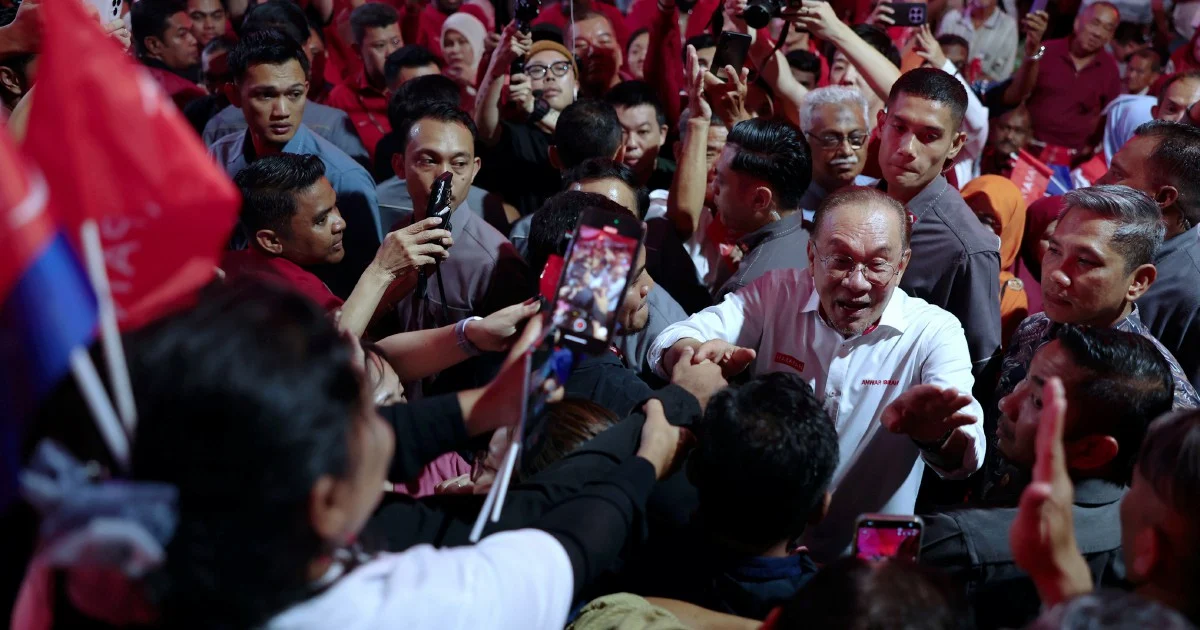
Pakatan Harapan has officially presented its comprehensive slate of 56 candidates for the upcoming Johor state election scheduled for July 11, marking the opposition coalition's latest strategic move to expand its political footprint in Malaysia's economically significant southern state. The announcement, made by coalition chairman Datuk Seri Anwar Ibrahim at a campaign event in Tangkak, represents the culmination of weeks of internal party negotiations and reflects PH's determination to convert electoral momentum into tangible parliamentary gains at the state level.
The candidate announcement carries substantial implications for Malaysia's political trajectory, as Johor has long been considered a stronghold of the ruling coalition and a financial powerhouse that generates considerable revenue for federal budgets. Control of the state government would represent a significant symbolic and practical victory for PH, allowing the opposition to demonstrate governing capability across multiple states and potentially reshaping national political dynamics ahead of future federal elections. The scale of the candidate slate suggests that PH is mounting an uncompromising challenge rather than pursuing a defensive holding campaign, signalling confidence in their organizational capacity and public appeal in the region.
The timing of the candidate announcement reflects broader strategic calculations within the Malaysian political system. By revealing the full roster early, PH aims to build momentum for campaigning in the weeks preceding the July 11 polling day, allowing candidates time to establish voter connections and disseminate their policy proposals. This approach contrasts with strategies that rely on last-minute candidate announcements, suggesting PH's leadership views the Johor election as sufficiently important to warrant extended organizational investment and public engagement efforts.
Johor's political significance extends beyond the state level. As the second-most populous state after Selangor, Johor serves as a crucial demographic and economic bellwether for national political sentiment. The state's manufacturing sector, port facilities, and agricultural production make it economically vital, while its position as a southern gateway influences regional stability and cross-border relations with Singapore. Electoral outcomes in Johor therefore often presage broader shifts in national electoral preferences, making the state a reliable indicator of public mood regarding federal government performance.
PH's candidate selection strategy likely reflects careful consideration of demographic and geographic diversity within Johor's electoral constituencies. The coalition has previously invested considerable effort in understanding local community priorities, from manufacturing employment concerns to agricultural subsidies to infrastructure development needs. The 56-candidate slate presumably includes candidates positioned to address these varied community interests while maintaining internal party balance between component parties within the PH framework, including PKR, DAP, Amanah, and other coalition members.
The political context surrounding this election remains fluid and competitive. Johor's traditional dominance by established parties suggests that PH faces significant organizational challenges in converting candidate nominations into actual electoral victories. However, recent electoral trends across Malaysian states have shown growing voter willingness to entertain opposition alternatives, particularly where governance concerns or public services dissatisfaction become salient election issues. Whether PH can translate this general trend into state-specific electoral gains depends substantially on campaign effectiveness and whether local issues resonate with voter priorities during the official campaign period.
Anwar Ibrahim's personal involvement in the candidate announcement underscores the strategic importance PH assigns to this election. As party chairman and federal opposition leader, his presence at the Tangkak event signals that PH views the Johor campaign as essential to the coalition's broader political positioning. This high-level engagement also demonstrates internal party unity around electoral strategy, crucial for maintaining coalition cohesion when component parties must balance their respective candidate aspirations and seat allocations within the overall PH framework.
The election represents a crucial test for PH's organizational capabilities and electoral appeal in a geographic region that differs from the urban-centric bases where opposition parties have traditionally performed strongly. Rural and semi-rural Johor constituencies present distinct political dynamics compared to established PH strongholds in Selangor or Penang, requiring adaptation of campaign messaging and ground operations to regional specifics. Success or failure in converting the 56-candidate investment into actual legislative seats will provide important data regarding PH's ability to expand beyond its current geographic bases of support.
For Malaysian voters and observers of the country's political development, the Johor election offers an opportunity to assess whether the Malaysian electorate continues moving toward increased political competition and contestation between government and opposition, or whether established patterns of single-party dominance in particular states remain resilient. The results will carry implications extending well beyond Johor's state governance, potentially influencing calculations regarding timing and viability of future federal elections and shaping strategic planning within competing national political coalitions. The comprehensive candidate slate announcement thus represents not merely a tactical campaign move but a significant indicator of opposition confidence and commitment to challenging the existing electoral status quo in Malaysia's crucial southern state.

