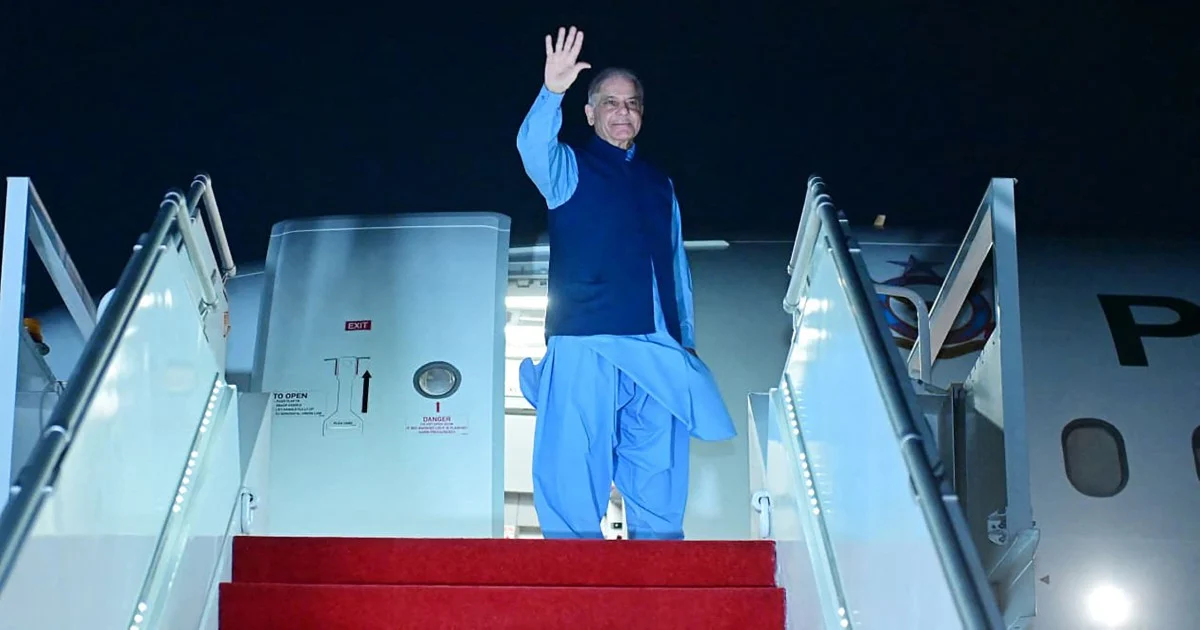
Pakistan's Prime Minister Shehbaz Sharif has journeyed to Switzerland, where he is expected to participate in technical-level negotiations between American and Iranian delegations seeking a pathway to de-escalate the mounting military tensions in the Middle East. The Prime Minister's arrival on Sunday morning marks Pakistan's active engagement in one of the region's most consequential diplomatic initiatives in recent years, signalling Islamabad's commitment to facilitating dialogue between two major powers whose confrontations have reverberated across the Muslim world.
Pakistan's involvement in these talks reflects the nation's significant geopolitical interests across the Middle East, where it maintains substantial economic, strategic, and cultural ties. As a nuclear-armed nation with a large diaspora population working throughout the Gulf states and Iran, Pakistan has every incentive to prevent further military escalation that could destabilise the entire region and disrupt the livelihoods of millions of Pakistanis abroad. The country's participation underscores how deeply Middle Eastern conflicts now intersect with South Asian security considerations and economic stability.
The technical-level nature of these discussions suggests both sides are moving beyond high-level posturing toward detailed negotiations on substantive issues. Such talks typically involve military advisors, nuclear specialists, and diplomatic experts who can explore concrete measures for reducing military tensions, establishing communication channels, and addressing the underlying security concerns that have fuelled the ongoing confrontation. Pakistan's experience as a nation that has navigated complex relationships with both Washington and Tehran potentially positions it as a bridge-builder in these sensitive negotiations.
The timing of these talks assumes particular importance given the fragile state of Middle Eastern security architecture. Recent military incidents and retaliatory strikes have demonstrated how quickly miscalculation can escalate into open conflict. Switzerland, a traditional neutral ground for international diplomacy, provides the ideal setting for candid exchanges without the domestic political pressures that might constrain negotiations in either nation's capital. Pakistan's presence suggests regional consensus that sustained conflict serves no one's interests and that measured, behind-the-scenes diplomacy remains the best path forward.
For Pakistan specifically, Middle Eastern stability carries economic ramifications. The country depends on oil imports from the region and hosts a significant portion of the Middle Eastern business community's South Asian operations. Additionally, any major disruption in the Middle East could exacerbate Pakistan's own security challenges by emboldening extremist groups or complicating its efforts to maintain domestic stability during an already difficult economic period. Pakistan's participation in these technical talks thus represents pragmatic self-interest wrapped in the language of regional peacemaking.
The inclusion of Pakistani leadership in these discussions also reflects Islamabad's diplomatic rehabilitation on the international stage. After years of being sidelined following terrorism-related concerns, Pakistan under Shehbaz Sharif's administration has worked to restore its standing as a responsible stakeholder in regional affairs. These talks provide an opportunity to demonstrate that commitment while building goodwill with multiple international actors simultaneously.
For Malaysia and Southeast Asia more broadly, the outcome of US-Iran tensions carries indirect but meaningful implications. Any major military conflict in the Middle East would disrupt global energy markets, tighten shipping lanes, and potentially trigger security challenges across the Indo-Pacific region as great powers reassess their strategic postures. A successful de-escalation through these technical talks would help maintain the international stability upon which Southeast Asian trade and development depend.
The technical focus of these negotiations suggests that both the United States and Iran may be finding common ground on specific confidence-building measures even if broader political differences remain unresolved. Such gradualist approaches often prove more durable than grand bargains, as they build trust through demonstrated commitment to smaller agreements before attempting more ambitious frameworks. Pakistan's role as an observer or facilitator could help ensure that any emerging consensus reflects regional perspectives rather than purely bilateral American and Iranian interests.
Looking forward, the success of these technical talks could determine whether the Middle East enters a period of managed tensions or escalating conflict. Pakistan's presence signals that the international community understands the stakes involved and is committed to supporting diplomatic efforts. For Islamabad itself, demonstrating constructive engagement in resolving major international crises enhances its credibility as a partner for both Western nations and Islamic world capitals, positioning it advantageously for future regional and global negotiations.

