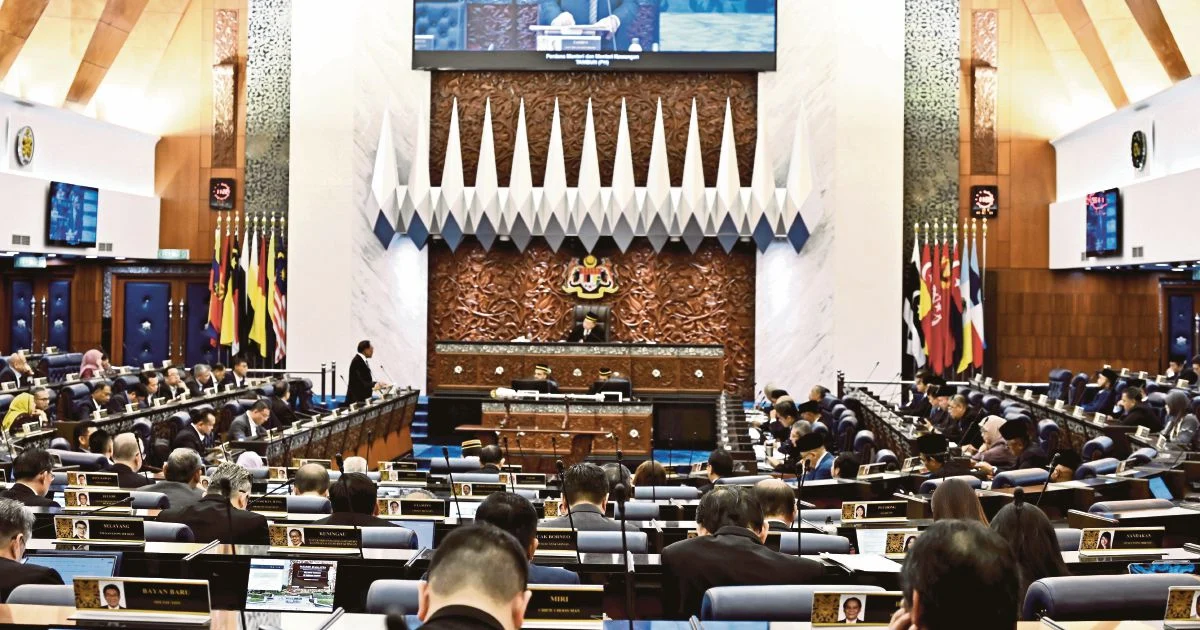
Barely an hour into the new parliamentary session, the Dewan Rakyat descended into acrimony as government and opposition lawmakers clashed over the status and authority of the opposition leader, exposing raw tensions simmering beneath Malaysia's political surface. The explosive exchange underscored the fractious state of inter-coalition relations and raised fresh questions about the stability of alliances that have shaped the nation's governance landscape since 2020.
The dispute originated from disagreements about opposition leadership, with claims that larger coalition partners were attempting to marginalise or override the appointed opposition leader's role. The confrontation saw MPs trading accusations from both sides of the chamber, transforming what should have been routine parliamentary business into a platform for airing deeper grievances about power dynamics and representation within the broader political blocs.
PAS and Bersatu, both parties with substantial constituencies within the Malay-Muslim electorate, have occupied an uneasy relationship within the government coalition. While they govern jointly in several state administrations and share similar voter bases, competition for influence and patronage has occasionally created friction. The parliamentary outburst suggests these tensions have reached a point where public airing can no longer be avoided, even at the risk of damaging coalition credibility.
For Malaysian observers, the timing of such conflicts carries particular significance. The nation's political equilibrium depends substantially on maintaining workable relationships between component parties in the governing coalition. When such partnerships show visible strain in parliament—the nation's highest legislative platform—it inevitably raises concerns about government effectiveness and the durability of the arrangements that secured the current administration's parliamentary majority.
The opposition leader's position has historically been a contentious issue in Malaysian politics, balancing between symbolic authority and practical influence. When coalition partners appear to challenge or undermine this role, it reflects broader disagreements about hierarchy, respect for agreements, and the distribution of leadership privileges within political alliances. Such disputes, if left unresolved, can metastasise into larger conflicts affecting legislative cooperation and policy implementation.
Bersatu, having transitioned from leadership of the government to opposition status in recent political shifts, likely feels particularly sensitive about its status and the recognition afforded to its leadership. The party's trajectory has made it acutely aware of how quickly political fortunes can change, potentially making it defensive about maintaining visible prominence and respect within opposition structures. PAS, conversely, brings its own organisational strength and grassroots networks into the alignment, creating potential friction over whose voice carries greater weight in opposition decision-making.
The parliamentary incident also reflects deeper anxieties within Malay-Muslim political circles about unity and cohesion. These communities have traditionally valued consensus-building and maintaining public solidarity, particularly when facing external political challenges. Public parliamentary brawls over internal matters are therefore doubly damaging—they signal not just disagreement but a breakdown in the codes of conduct and mutual respect that these coalitions depend upon.
For Southeast Asian regional observers, Malaysian parliamentary dynamics carry relevance beyond national boundaries. As the region's largest Muslim-majority democracy, Malaysia's political stability influences regional security, trade relationships, and the broader competitive dynamics between major powers seeking influence in Southeast Asia. Political fragmentation or coalition instability in Kuala Lumpur creates openings for external actors to expand their leverage.
The immediate aftermath of such exchanges typically determines their longer-term impact. If party leadership moves quickly to mediate grievances, clarify agreements, and publicly reaffirm commitment to coalition arrangements, the incident may recede as a temporary outburst. However, if accusations remain unanswered and resentments fester without resolution, subsequent parliamentary sessions could witness further deterioration in inter-coalition civility and cooperation.
This episode underscores a persistent challenge in Malaysian governance: the tension between maintaining coalition stability necessary for majority government and accommodating the legitimate competition between component parties for resources, recognition, and influence. Successfully navigating this balance requires sophisticated political management, transparent internal communication, and a shared commitment to prioritising coalition interests over factional advantage—capacities that the heated parliamentary exchange suggests may be under strain.
The coming weeks will be instructive in revealing whether this represented an isolated outburst or a harbinger of deeper coalition fractures. Government responses to the dispute, statements from party leadership, and the tenor of subsequent parliamentary sessions will provide clearer signals about the health of Malaysia's current political arrangements and their capacity to endure ongoing internal pressures.

