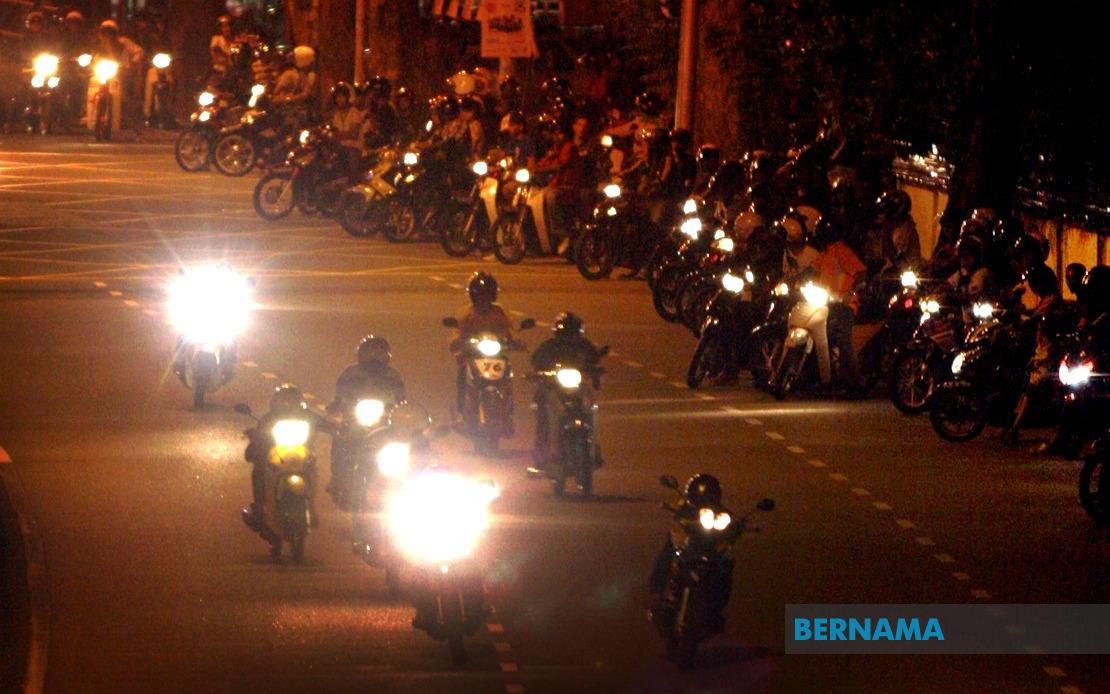
Lawmakers in the Dewan Rakyat have thrown their weight behind a series of escalating measures to address the persistent problem of illegal street racing, signalling parliamentary determination to treat the issue as a serious public safety crisis. During debate on the Road Transport (Amendment) Act 2026, members representing both government and opposition parties articulated a multi-pronged enforcement approach that goes well beyond the conventional framework of fines and imprisonment.
The proposals reflect growing concern about the social dimensions of illegal racing and its impact on communities. Khairil Nizam Khirudin from Jerantut highlighted the need for rehabilitative intervention alongside punishment, suggesting that a dedicated programme combining disciplinary action and community service could help redirect offenders away from dangerous behaviour. This approach acknowledges that many participants in illegal racing are younger individuals who may benefit from structured guidance rather than punishment alone.
A particularly stringent proposal came from Datuk Willie Mongin, the Puncak Borneo representative, who advocated for permanent revocation of driving privileges for convicted illegal racers. He recommended that minimum penalties reach RM300,000 in fines or five years imprisonment, coupled with the lifetime licence ban. Such measures would represent a dramatic escalation from existing penalties and signal zero tolerance for repeat offences, though questions remain about implementation and rehabilitation pathways for young first-time offenders.
The parliamentary focus on motorcycle modification workshops represents a critical recognition that illegal racing infrastructure depends on enabling services. Khairil Nizam proposed that the Transport Ministry collaborate with the Domestic Trade and Cost of Living Ministry to invoke Section 66 of the Road Transport Act 1987 to create new regulatory frameworks targeting these businesses. This regulatory approach aims to cut off supply chains that facilitate the conversion of ordinary motorcycles into high-powered racing machines.
Another innovative proposal sought to extend accountability to family units, with Khairil Nizam suggesting that parents of individuals caught racing should face legal consequences. While this idea generated debate, it reflects the view that family-level intervention and responsibility could serve as a deterrent. However, the practical and ethical implications of holding parents accountable for adult children's actions remain contentious among legal experts.
Parliamentarians also expanded the discussion beyond motorcycles to encompass all vehicles used in illegal racing. Wan Razali Wan Nor from Kuantan pointed to the tragic Simpang Renggam accident on June 1, which involved luxury vehicles and resulted in multiple fatalities. This incident highlighted that illegal racing with high-powered cars poses equally devastating risks to public safety, yet may receive less regulatory scrutiny than motorcycle racing. The tragedy demonstrated that street racing transcends motorcycle culture and extends to affluent drivers engaging in dangerous behaviour.
Shaharizukirnain Abd Kadir proposed that excessively modified motorcycles be destroyed rather than simply confiscated and stored, arguing that destruction serves as a stronger deterrent while eliminating tools used for illegal activity. This approach parallels drug enforcement strategies in which seized assets are eliminated rather than repurposed, though questions about cost-effectiveness and environmental impact would need examination.
Beyond illegal racing, parliamentarians redirected attention toward impaired driving as a complementary road safety concern. Zahari Kechik from Jeli advocated for strengthening provisions under Sections 44 and 45A to 45C of the Road Transport Act 1987 to establish compensation mechanisms for victims of alcohol and drug-related accidents. He proposed that drunk drivers be held financially responsible for hospital costs and ongoing victim welfare, creating direct financial consequences beyond criminal penalties.
The compensation framework proposed by several MPs signals a shift toward victim-centered justice in road safety law. Rather than treating accidents as matters resolved through criminal conviction, the proposals establish obligations for offenders to directly compensate those harmed, potentially changing the economic calculus for high-risk driving behaviour. Datuk Seri Dr Ismail Abd Muttalib supported enhanced enforcement against impaired drivers, emphasising that fatal accidents warrant intensified detection and prosecution efforts.
The breadth of proposals discussed across 24 government and opposition MPs indicates rare legislative consensus on the severity of illegal racing as a public safety emergency. The debate reflected recognition that isolated punitive measures have failed to deter participation, necessitating coordinated action across multiple government agencies and intervention at various points in the enforcement chain—from street-level policing to workshop regulation to family accountability.
These parliamentary initiatives carry significant implications for Malaysia's road safety framework and enforcement priorities. Their adoption would represent the most comprehensive legislative response to illegal racing to date, moving beyond reactive policing toward preventive regulation of the ecosystem supporting racing culture. Implementation will test government agencies' capacity to coordinate across ministerial lines and develop new regulatory approaches, while the severity of proposed penalties may face constitutional and practical challenges during the legislative process.

